
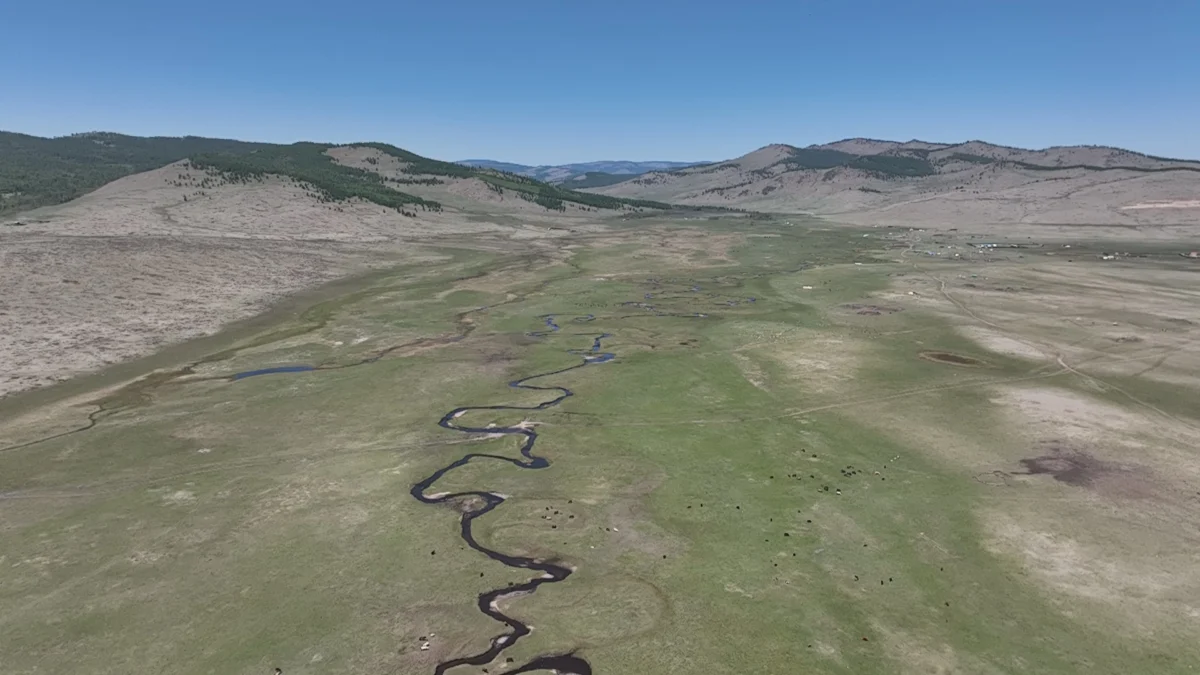
As large swaths of the globe continue to grapple with severe droughts, escalating wildfires, and compounding ecological stress, thousands of international delegates are preparing to converge on Ulaanbaatar, Mongolia, in late August 2026 for the 17th Conference of the Parties (COP17) to the United Nations Convention to Combat Desertification (UNCCD). Amid this gathering, known globally as the Land Convention, Wetlands International is deploying its largest delegation in history. Led by CEO Coenraad Krijger, the organization intends to place freshwater wetlands—including vital peatlands—firmly at the center of national and global strategies designed to combat desertification, land degradation, and persistent drought.
Long overshadowed by its sister Rio Conventions—namely the United Nations Framework Convention on Climate Change (UNFCCC) and the Convention on Biological Diversity (CBD)—the UNCCD is experiencing a surge in international attention. Governments, financial institutions, and civil society organizations are increasingly turning to the convention to accelerate measures aimed at halting and reversing widespread land degradation. With less than five years remaining to achieve the UNCCD’s foundational goal of Land Degradation Neutrality (LDN) by 2030, COP17 operates under the urgent theme "Restoring Land, Restoring Hope." The conference brings together representatives from 197 member states alongside corporate leaders, financial institutions, Indigenous Peoples, pastoralists, and farmers to tackle a crisis that threatens billions of lives and destabilizes regional economies.

The Economic and Environmental Toll of Degraded Landscapes
The urgency driving the Ulaanbaatar summit is underscored by stark statistical realities. According to international environmental assessments, up to 40% of the Earth’s total land area is currently degraded. This degradation directly threatens the livelihoods and food security of billions of people worldwide while exacting an estimated global economic toll of $900 billion annually. Concurrently, the planet has witnessed the destruction of more than 22% of its remaining wetlands since 1970. This catastrophic loss of freshwater ecosystems has severely exacerbated global water stress, heightened community vulnerability to climate shocks, and reduced regional resilience against prolonged droughts.
Wetlands International emphasizes that these challenges cannot be addressed in isolation. Water security, wetland health, and drought resilience are fundamentally intertwined with land degradation neutrality. Without immediate, aggressive investments in protecting and restoring healthy wetlands, the global community has little prospect of meeting its 2030 LDN targets. Consequently, the organization’s presence in Mongolia aims to build upon recent policy milestones, such as the COP16 mandate directing the convention to incorporate robust water management protocols into its framework, and a broader global awakening regarding the indispensable role healthy ecosystems play in stabilizing soil and hydrological cycles.

A Strategic Agenda for COP17
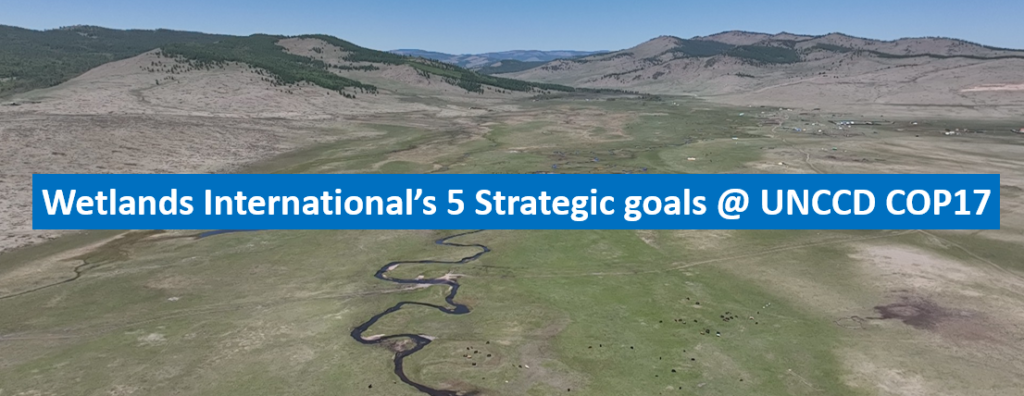
To maximize its policy impact during the two-week summit, Wetlands International—in close collaboration with national partners such as the Wildlife Science and Conservation Center of Mongolia (WSCC)—has curated a series of high-level events and technical sessions. These gatherings are designed to bridge policy silos, foster cross-convention synergies, and demonstrate scalable, nature-based solutions to government ministers and international negotiators.
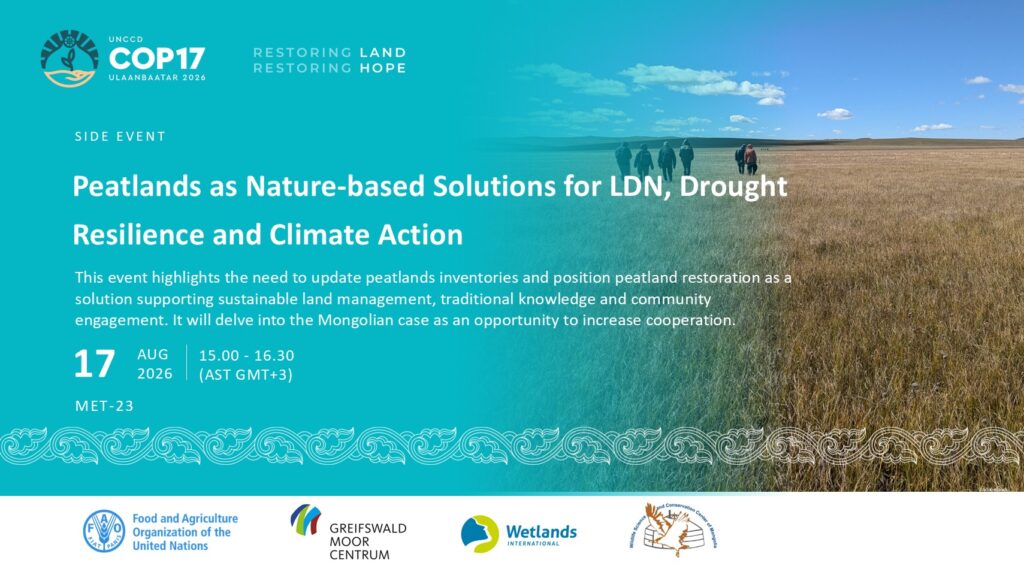
Among the cornerstone sessions is an official side event titled "Peatlands as Nature-based Solutions for LDN, Drought Resilience, and Climate Action." This session will direct critical attention toward the unique capacity of healthy, saturated peatlands to buffer against extreme droughts and sequester vast amounts of carbon. Organizers will emphasize the urgent need for nations to update their national peatland inventories, arguing that accurate baseline data is a prerequisite for evidence-based policymaking. The session will also highlight the Mongolian Peatlands Initiative as a practical blueprint for regional implementation.
Bridging Global Conventions at the High-Level Water Sessions
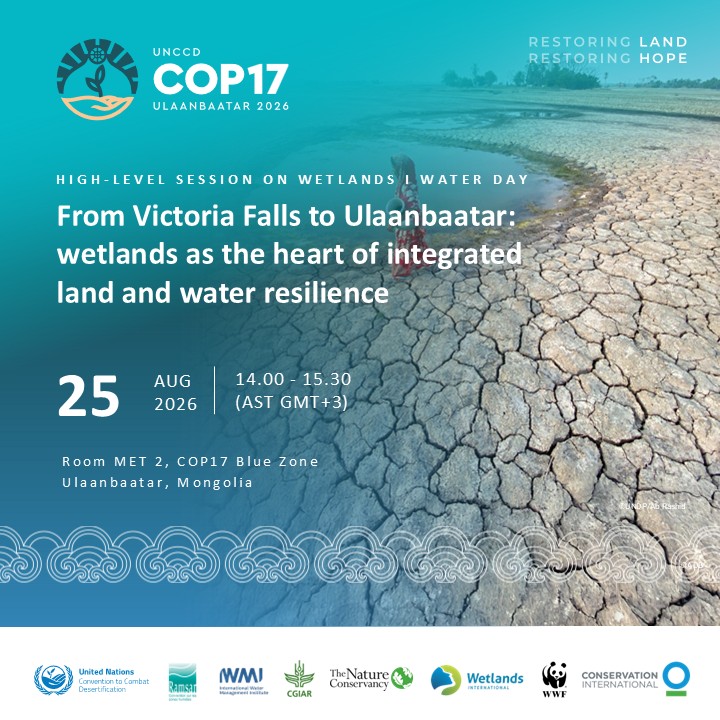
In a further effort to unify international environmental governance, Wetlands International is co-hosting a high-level session titled "From Victoria Falls to Ulaanbaatar: Wetlands as the Heart of Integrated Land and Water Resilience." This event seeks to maintain the political momentum generated during the Convention on Wetlands’ COP15, which issued a resounding global call to protect and restore freshwater habitats. Serving as a crucial preparatory stepping stone for upcoming biodiversity and climate COPs, as well as the upcoming UN Water Conference, the session will position wetlands as the vital connective tissue binding water security, biodiversity preservation, land restoration, and climate adaptation together.
The high-level panel features a distinguished roster of international decision-makers, including government ministers and senior representatives from Armenia, Brazil, Turkey, and Zimbabwe, alongside the Secretary-General of the Ramsar Convention and Wetlands International CEO Coenraad Krijger. Their participation reflects a growing consensus that sectoral stovepiping in environmental management is no longer viable in the face of interconnected global crises.
Accelerating Drought Resilience Through the Freshwater Challenge
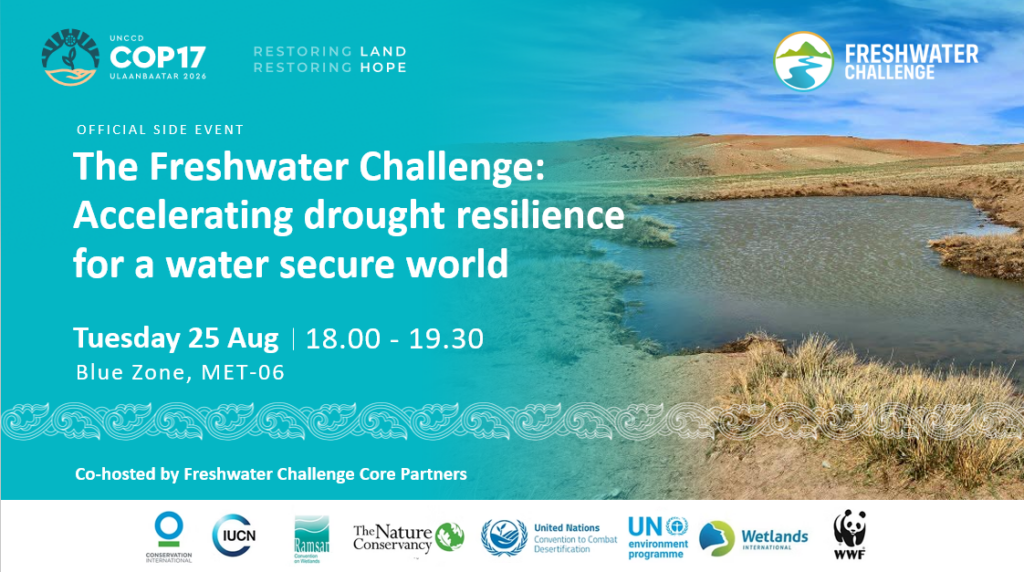
Complementing these discussions is a dedicated focus on the Freshwater Challenge (FWC), a flagship initiative launched under the UNCCD COP16 Riyadh Action Agenda. A specialized side event, "The Freshwater Challenge: Accelerating Drought Resilience for a Water Secure World," will explore how the restoration of freshwater ecosystems underpins both land degradation neutrality and long-term climate resilience. Delegates will examine practical mechanisms that countries can employ to integrate the FWC into national development strategies, fostering deeper operational synergies across the three Rio Conventions, the Convention on Wetlands, and broader UN water frameworks.
Commenting on the strategic importance of the upcoming summit, Wetlands International CEO Coenraad Krijger articulated the core message of the organization’s delegation: "Investing in protecting and restoring healthy wetlands is critical to mitigating the impact of droughts and reversing desertification. We see UNCCD as an important platform for advancing wetland action at national and global levels—wetland action that will benefit people and nature and turbocharge efforts to combat land degradation."
Chronology of Modern Land and Water Governance
The trajectory leading to COP17 reflects a multi-decade evolution in international environmental diplomacy. Established in 1994 as a direct outcome of the 1992 Rio Earth Summit, the UNCCD spent its formative decades operating in the shadow of its sister climate and biodiversity conventions, hampered by limited funding and a narrow focus on arid regions. However, the escalating frequency of mega-droughts, agricultural collapses, and dust storms in the 21st century forced a reassessment of land degradation as a systemic global emergency.
A major turning point occurred during COP15 and COP16, where member states formally recognized that land degradation cannot be reversed without stabilizing the hydrological cycle. The adoption of the Riyadh Action Agenda during COP16 explicitly linked desertification control with global water management frameworks. The upcoming COP17 in Ulaanbaatar marks the operationalization phase of these commitments, transforming high-level acknowledgements into mandatory national targets, financial allocations, and cross-border cooperation agreements.
Implications and Future Outlook
The outcomes of the Ulaanbaatar conference will carry profound implications for global environmental stability as the 2030 target horizon approaches. Failure to integrate freshwater and peatland conservation into national land degradation neutrality plans risks locking vulnerable nations into cycles of permanent water stress, agricultural decline, and socio-economic displacement. Conversely, successful advocacy by Wetlands International and its allies could unlock substantial international climate and development finance, redirecting resources toward large-scale ecosystem restoration.
As delegates finalize their preparations for the Mongolian summit, the overarching message from the scientific and conservation communities remains clear: safeguarding the earth’s remaining wetlands is no longer an optional environmental amenity, but an absolute prerequisite for human survival, economic stability, and planetary health.
