
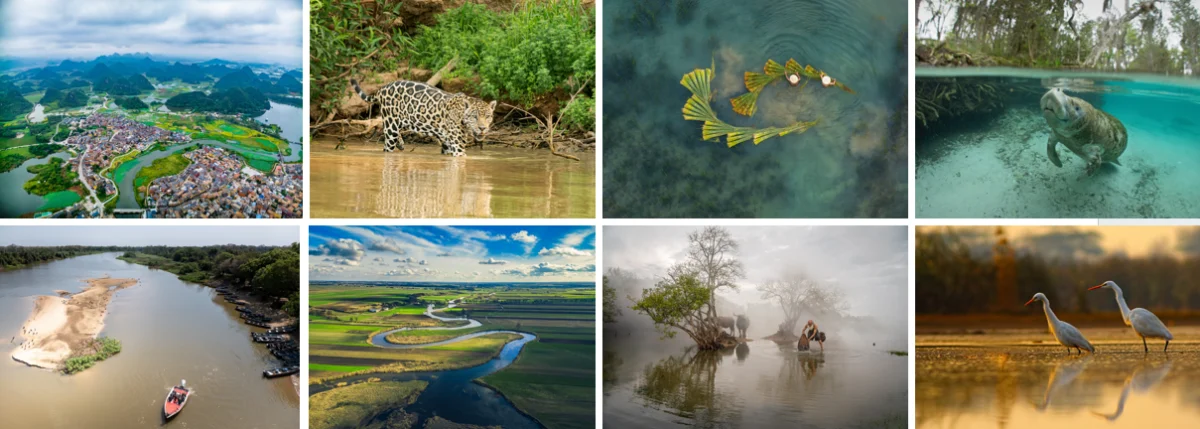
Wetlands International has been identified as a leading nonprofit organization by Giving Green, a prominent climate philanthropy research group, in their latest report titled "Reducing Biodiversity Loss." This recognition highlights Wetlands International’s crucial role in addressing the escalating global biodiversity crisis and underscores the urgent need for increased investment in wetland conservation and restoration. The report, published on February 25, 2026, aims to guide donors towards the most effective solutions for maximizing their philanthropic impact on biodiversity.
The Critical Role of Wetlands in Global Ecosystems
Wetlands, often described as "climate superheroes," are among the Earth’s most productive yet critically threatened ecosystems. Their multifaceted importance extends to climate regulation, biodiversity support, and human well-being, providing essential services that underpin global economies and societies.
Coastal wetlands, such as mangroves and seagrass meadows, play a vital role in climate adaptation and mitigation. They are exceptional carbon sinks, sequestering vast quantities of greenhouse gases and offering natural protection against the escalating impacts of sea-level rise and storm surges. Inland, peatlands represent some of the planet’s most significant terrestrial carbon reservoirs. Beyond carbon storage, these ecosystems are crucial for regulating water cycles, mitigating floods during periods of heavy rainfall, and buffering against droughts by maintaining water availability.
The ecological significance of wetlands is further amplified by their status as biodiversity hotspots. They provide essential habitats for an immense array of flora and fauna, including numerous species facing the threat of extinction. The intricate web of life supported by healthy wetlands is fundamental to maintaining ecological balance and resilience.
Beyond their environmental contributions, wetlands are indispensable to human societies and economies. They are foundational to water security, ensuring a stable supply of fresh water for both natural systems and human consumption. Globally, over one billion livelihoods are directly dependent on wetlands, through activities such as aquaculture, crop production, transportation, and tourism. The fish harvested from wetland environments constitute the primary protein source for more than one billion people, while rice paddies, a type of wetland, annually feed 3.5 billion individuals. The economic value of water and freshwater ecosystems is staggering, estimated at USD 58 trillion annually, equivalent to 60% of global Gross Domestic Product. Furthermore, urban wetlands offer vital green spaces, allowing city dwellers to connect with nature, thereby enhancing mental and physical well-being.
The Alarming Rate of Wetland Loss and its Consequences
Despite their profound importance, wetlands worldwide are disappearing at an alarming rate. Since 1970, an estimated 22% of the world’s wetlands have been lost, and this degradation continues unabated. The primary driver of this loss is human activity, which has fragmented vital wetland connectivity through the construction of dams, dykes, drainage systems, and widespread deforestation.
The consequences of wetland loss and degradation are far-reaching and interconnected. This environmental decline triggers a cascade of negative impacts, including significant biodiversity loss, which threatens the survival of countless species. It also puts immense pressure on food and water supplies, exacerbating existing vulnerabilities and contributing to global food insecurity. Moreover, the diminishing capacity of wetlands to regulate natural processes intensifies the impacts of climate change, leading to more frequent and severe floods, prolonged droughts, and an increased risk of wildfires. This creates a vicious cycle where environmental degradation amplifies the very challenges it is meant to mitigate.
The Urgent Need for Increased Wetland Financing
While the challenges facing wetlands are significant, the solutions and the knowledge required for their restoration are well-established. However, a substantial funding gap persists, hindering the scale and pace of necessary conservation and restoration efforts. To meet global biodiversity targets, such as the commitment to protect 30% of land and sea by 2030, an estimated USD 700 billion per year is required to bridge the biodiversity financing gap. This figure underscores the immense scale of investment needed to reverse current trends and safeguard critical ecosystems.
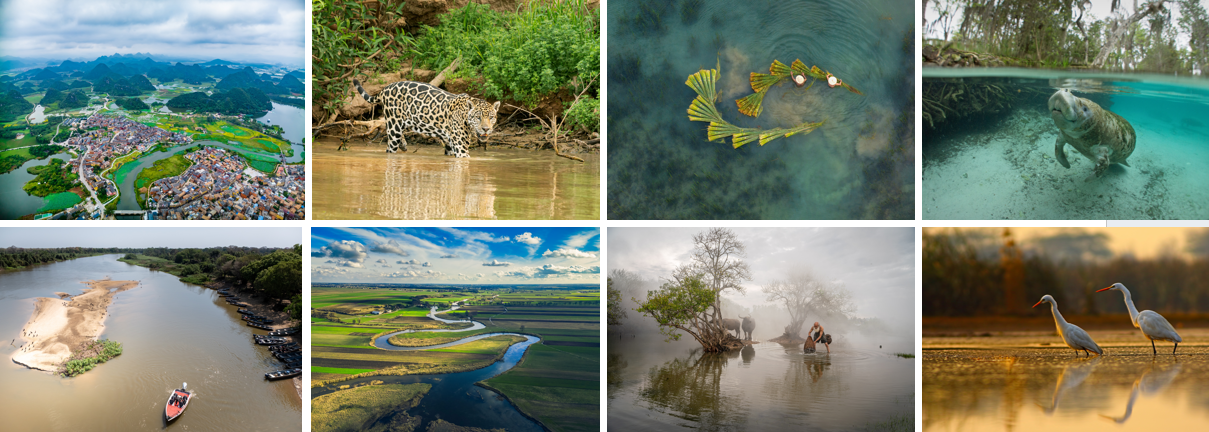
Giving Green’s recognition of Wetlands International, and its strategic focus on reducing biodiversity loss, comes at a critical juncture. The organization’s research provides a vital pathway for philanthropists seeking to direct their resources towards interventions with the greatest potential for positive impact. By identifying and endorsing organizations like Wetlands International, Giving Green aims to catalyze a significant increase in funding for effective conservation initiatives.
Wetlands International’s Strategic Vision for the Future
In response to the escalating crisis and the recognized need for greater investment, Wetlands International has outlined its strategic plan for the coming decade: "Wetlands for Life 2026-2035." This comprehensive strategy details the organization’s commitment to conserving and restoring diverse wetland types globally, including rivers, lakes, peatlands, and mangroves.
The "Wetlands for Life" strategy is designed to trigger transformational change across multiple sectors. It aims to influence policies, drive responsible business practices, and redirect financial flows towards wetland conservation and restoration. The ultimate goal is to secure the manifold benefits that healthy wetlands provide to people, biodiversity, and the climate.
Coenraad Krijger, CEO of Wetlands International, expressed his perspective on the Giving Green report: "Wetlands have been undervalued and underfunded – and are under ever-increasing pressure. Giving Green’s research identifying wetlands conservation as a high-impact strategy to tackle biodiversity loss and climate change is a fantastic vote of confidence in our thirty years of work with communities, partners and governments across the globe." This statement highlights the long-standing commitment of Wetlands International and the significance of external validation from a respected research body.
Broader Implications and Future Outlook
The recognition of Wetlands International by Giving Green carries significant implications for the broader conservation landscape. It signals a growing understanding within the philanthropic community of the pivotal role wetlands play in addressing interconnected global challenges. This endorsement is likely to attract further attention and investment towards wetland conservation efforts, potentially unlocking new avenues for funding and collaboration.
The report’s emphasis on identifying "most effective solutions" suggests a data-driven approach to philanthropy, which can lead to more strategic and impactful investments. For organizations like Wetlands International, this means a greater focus on measurable outcomes and demonstrable impact.
The timeline of this announcement, February 25, 2026, places it within a period of heightened global awareness and action on climate change and biodiversity loss. The upcoming years are critical for implementing ambitious conservation targets, and initiatives that effectively channel resources to proven solutions will be paramount. Wetlands International’s "Wetlands for Life" strategy, coupled with the validation from Giving Green, positions the organization as a key player in these crucial endeavors.
The implications for biodiversity loss are profound. By prioritizing wetland conservation, the global community can simultaneously protect countless species, sequester significant amounts of carbon, enhance water security, and build resilience against climate impacts. The economic benefits are equally substantial, reinforcing the argument that investing in wetlands is not merely an environmental imperative but also a sound economic strategy.
As the world grapples with unprecedented environmental challenges, the work of organizations like Wetlands International, supported by informed philanthropic guidance from groups like Giving Green, offers a beacon of hope. The continued focus on science-based solutions and effective funding mechanisms will be essential in safeguarding these vital ecosystems for future generations. The strategic alignment between research, funding, and on-the-ground implementation is crucial for achieving the ambitious conservation goals set forth by international agreements and for ensuring the long-term health of the planet.
