
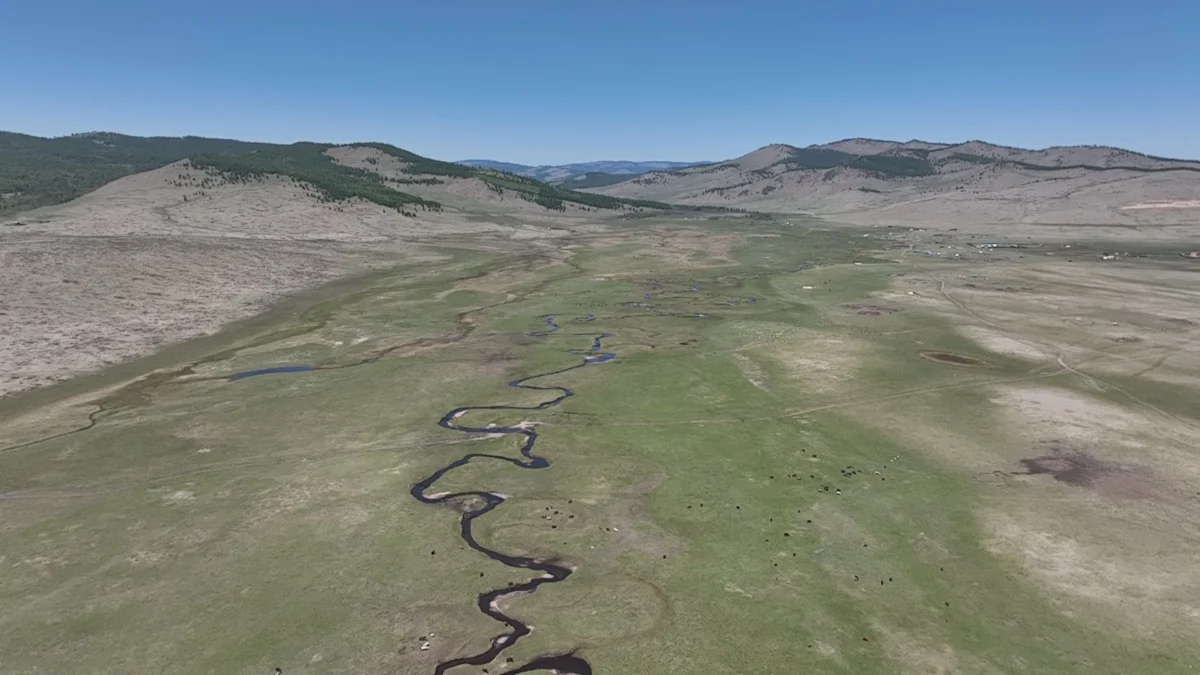
As mounting global crises surrounding severe droughts and aggressive wildfires continue to ravage ecosystems across multiple continents, thousands of international delegates, policymakers, scientists, and environmental advocates are preparing to converge on Ulaanbaatar, Mongolia, at the end of August 2026. This high-stakes gathering marks the 17th Conference of the Parties (COP17) to the United Nations Convention to Combat Desertification (UNCCD), frequently referred to as the Land Convention. Among the prominent environmental organizations participating in the summit is Wetlands International, which is deploying its largest delegation in history to the event. Headed by Chief Executive Officer Coenraad Krijger, the delegation aims to secure a fundamental shift in how global and national strategies view freshwater wetlands and peatlands, positioning them at the very core of initiatives designed to halt desertification, reverse severe land degradation, and build long-term climate resilience.
For decades, the UNCCD has operated in the shadow of its two sister Rio Conventions—the United Nations Framework Convention on Climate Change (UNFCCC) and the Convention on Biological Diversity (CBD). However, escalating environmental degradation and extreme weather phenomena have thrust the Land Convention into the international spotlight. Governments, financial institutions, and civil society organizations are increasingly turning to the UNCCD as a crucial vehicle for accelerating global efforts to safeguard terrestrial ecosystems. The urgency driving COP17 is underscored by grim environmental statistics: current estimates indicate that up to 40 percent of the world’s land area is already degraded. This widespread ecological decline directly threatens the livelihoods and food security of billions of people globally, while imposing an estimated $900 billion in annual economic losses. Simultaneously, the planet has witnessed the disappearance of more than 22 percent of its remaining wetlands since 1970, a loss that has significantly exacerbated global water stress, heightened community vulnerability, and diminished regional capacities to withstand prolonged dry spells.

Against this sobering backdrop, COP17 convenes under the overarching theme "Restoring Land, Restoring Hope." With the deadline for the Convention’s central objective—achieving Land Degradation Neutrality (LDN) by 2030—rapidly approaching within the next five years, the Ulaanbaatar summit represents a pivotal moment for international environmental diplomacy. The conference brings together representatives from 197 member states, alongside leaders from the private sector, financial institutions, Indigenous communities, pastoralist groups, and agricultural organizations. These stakeholders face the immense challenge of bridging the gap between high-level policy commitments and transformative on-the-ground action. For Wetlands International and its national partner, the Wildlife Science and Conservation Center of Mongolia (WSCC), the summit provides a strategic platform to translate recent policy milestones into tangible conservation victories. This includes building upon the momentum generated by COP16 decisions that mandated the UNCCD to formally integrate water management into its core operational framework, reflecting a broader global awakening to the indispensable role healthy wetlands play in restoring degraded landscapes.
Background Context and the Evolution of the UNCCD
The United Nations Convention to Combat Desertification was established in 1994, emerging as a direct outcome of the 1992 Rio Earth Summit. While its initial focus was heavily concentrated on addressing arid, semi-arid, and dry sub-humid areas suffering from desertification—particularly across the African continent—its mandate has steadily expanded over the years. Modern interpretations of the Convention recognize that land degradation is a transboundary crisis intimately connected to broader environmental phenomena, including climate change, biodiversity loss, and the global water cycle. Despite this expanded mandate, the UNCCD historically received less political attention and funding compared to its Rio counterparts.

The turning point for the Convention has arrived in recent years as the interconnected nature of planetary crises becomes undeniable. Prolonged droughts in the Horn of Africa, catastrophic wildfires in the Mediterranean and North America, and shrinking water tables across major agricultural breadbaskets have demonstrated that land degradation is not a localized issue, but a systemic threat to global stability. The introduction of the Land Degradation Neutrality target during UNCCD COP12 in Ankara set a quantitative framework for countries to balance new land degradation with an equivalent amount of land restoration. However, achieving LDN requires a fundamental shift in land-use planning, moving away from destructive exploitation toward nature-based solutions. Within this context, freshwater ecosystems and peatlands have emerged as foundational assets, functioning as natural water reservoirs, carbon sinks, and buffers against extreme climatic shocks.
The Strategic Imperative of Wetlands and Peatlands
Wetlands, including rivers, lakes, marshes, and peatlands, cover a relatively small fraction of the Earth’s surface yet provide disproportionately massive ecological services. Peatlands alone store more carbon than all the world’s forests combined, despite covering only about three percent of the global land surface. When these ecosystems are drained, degraded, or converted for agriculture and infrastructure, they transform from massive carbon sinks into significant sources of greenhouse gas emissions while losing their capacity to regulate water flows.
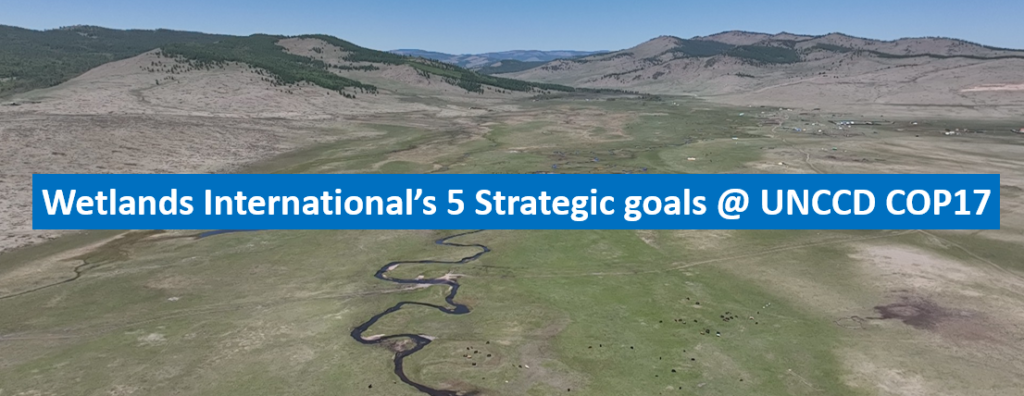
Coenraad Krijger, CEO of Wetlands International, emphasized the critical necessity of integrating these ecosystems into the UNCCD framework ahead of the summit. "Investing in protecting and restoring healthy wetlands is critical to mitigating the impact of droughts and reversing desertification," Krijger stated. "We see UNCCD as an important platform for advancing wetland action at national and global levels—wetland action that will benefit people and nature and turbocharge efforts to combat land degradation."
The degradation of wetlands directly undermines the goals of the UNCCD. Without functioning wetlands, upstream water retention fails, leading to flash floods during heavy rainfall and severe water scarcity during dry seasons. This dual threat accelerates soil erosion, strips topsoil of essential nutrients, and ultimately results in the expansion of desert-like conditions across previously fertile regions. By advocating for the inclusion of comprehensive wetland management within national action plans, Wetlands International aims to steer signatory nations toward interventions that restore the natural sponge-like properties of river basins and peat-rich landscapes.
High-Level Events and Core Advocacy Focus Areas
A major component of Wetlands International’s strategy at COP17 involves co-hosting and participating in a series of targeted, high-level events designed to foster dialogue among policymakers, scientists, and resource managers. These sessions are structured to address specific operational challenges in land and water governance while establishing strong institutional linkages between the UNCCD and other multilateral environmental agreements.
The organization’s engagement strategy centers on three primary thematic pillars:
-
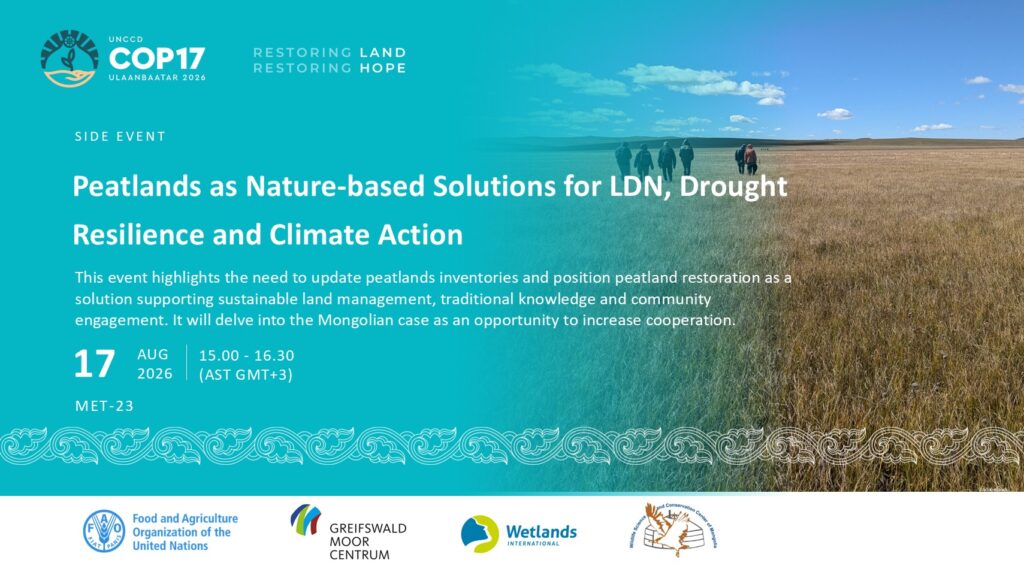
Peatlands as Nature-based Solutions for LDN, Drought Resilience, and Climate Action
This official side event, organized in collaboration with the Wildlife Science and Conservation Center of Mongolia, focuses on the unique vulnerabilities and management requirements of peatlands. Discussions will highlight the importance of maintaining wet peat conditions to enhance landscape-scale drought resilience. A major focus of the session will be the urgent need for countries to update and refine their national peatland inventories. Accurate mapping and data collection are prerequisites for evidence-based decision-making and the formulation of targeted restoration policies. The session will also showcase the Mongolian Peatlands Initiative as a practical model for cold-climate peatland conservation.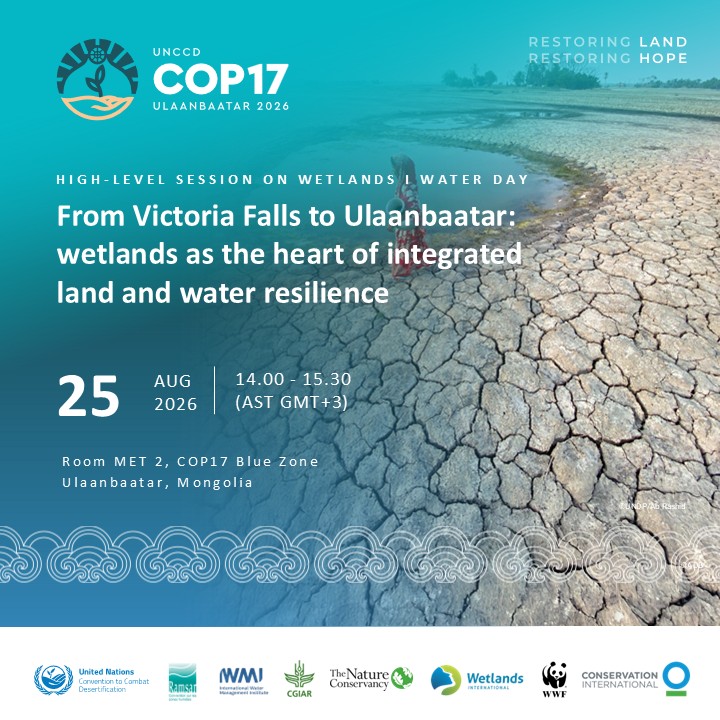
-
From Victoria Falls to Ulaanbaatar: Wetlands as the Heart of Integrated Land and Water Resilience
Positioned as a premier high-level session on Water Day during COP17, this event builds directly upon the foundational outcomes of the Convention on Wetlands COP15, held in Geneva and Victoria Falls, which issued an urgent global call to protect and restore freshwater ecosystems. The session serves as a strategic bridge connecting land, water, biodiversity, and climate governance ahead of upcoming meetings under the Convention on Biological Diversity (CBD), the UNFCCC, and the UN Water Conference. The panel features an influential lineup of international leaders, including ministers and senior government representatives from Armenia, Brazil, Türkiye, and Zimbabwe, alongside the Secretary-General of the Ramsar Convention and Wetlands International CEO Coenraad Krijger. Discussions will center on institutional mechanisms required to break down silos between water resource management and land degradation policies. -
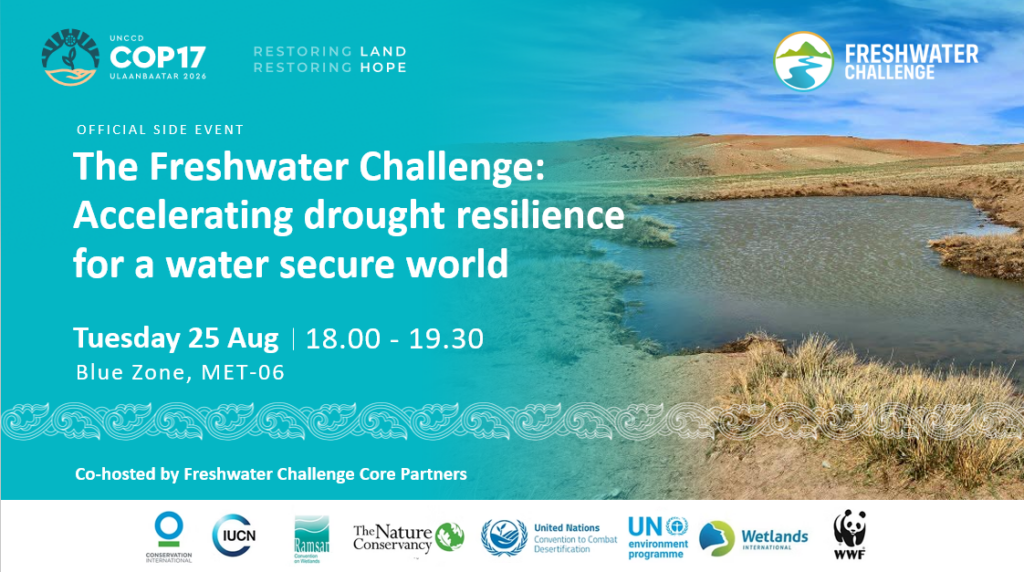
The Freshwater Challenge: Accelerating Drought Resilience for a Water Secure World
Drawing upon the legacy of the UNCCD COP16 Riyadh Action Agenda—where the Freshwater Challenge was launched as a flagship initiative—this side event explores how healthy freshwater ecosystems underpin both Land Degradation Neutrality and drought mitigation. Delegates will examine how national governments can leverage the Freshwater Challenge framework to align their domestic strategies with international commitments, creating robust synergies across the Rio Conventions, the Convention on Wetlands, and global water forums.
Implications and the Road Ahead for Global Land Governance
The outcomes of UNCCD COP17 carry profound implications for international environmental policy. As nations grapple with the economic and humanitarian toll of expanding arid zones and erratic precipitation patterns, the traditional separation between water management, climate mitigation, and land restoration is proving increasingly untenable. The advocacy efforts led by Wetlands International and its partners in Ulaanbaatar reflect a broader paradigm shift toward integrated landscape management, where terrestrial and aquatic ecosystems are treated as a unified, interdependent whole.
Success at COP17 will not be measured solely by the text of the final negotiated declarations, but by the practical commitments made by member states to integrate freshwater and peatland restoration into their revised National Action Programmes (NAPs). With the 2030 target for Land Degradation Neutrality looming large, the decisions made during the final days of August in Mongolia will test the international community’s capacity to move from rhetoric to large-scale implementation. By placing healthy wetlands at the forefront of the global agenda, the summit offers a vital opportunity to secure water security, stabilize degrading soils, and restore hope to regions battered by environmental crisis.
