
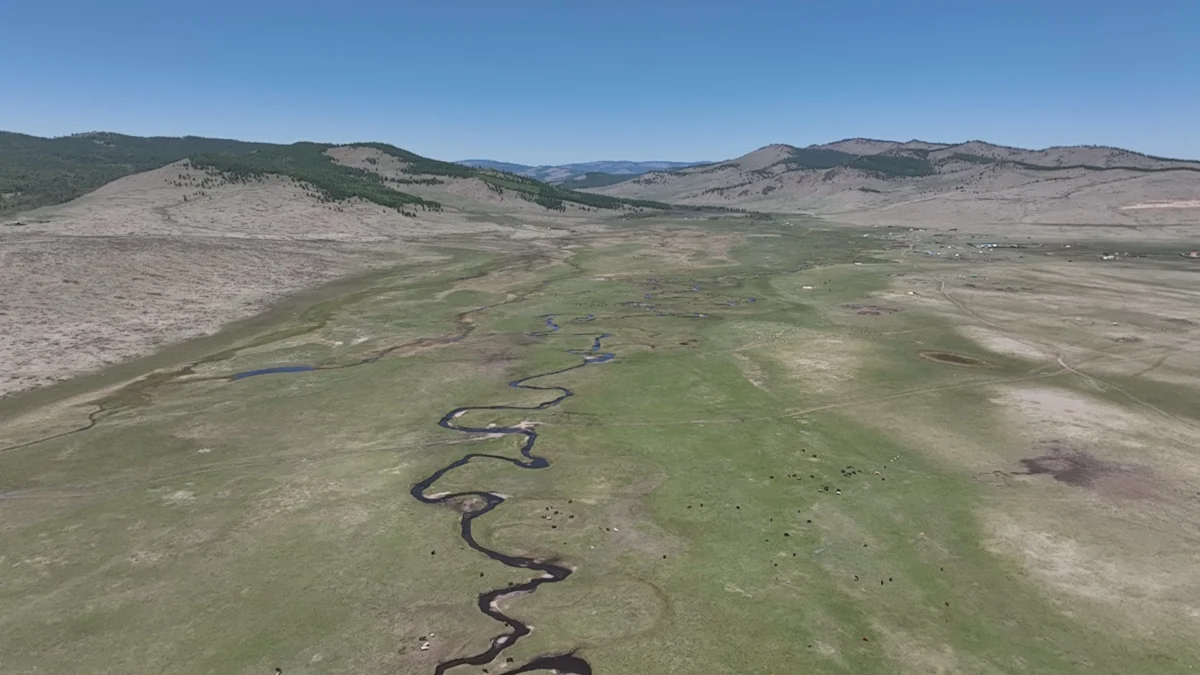
The international community gathered at the United Nations Convention to Combat Desertification (UNCCD) Conference of the Parties (COP17) in Ulaanbaatar, Mongolia, has reached a controversial impasse. In a decision finalized on August 28, 2026, member governments officially voted to postpone any binding or comprehensive negotiations regarding a unified global framework to tackle escalating drought conditions. Instead of establishing immediate operational mandates, delegates elected to defer the matter entirely, pushing discussions down the road to the next COP summit, scheduled to be held in Egypt in 2028.
This delay has drawn swift, severe condemnation from international environmental organizations, most notably Wetlands International. Conservationists argue that shelving decisive action for another two years ignores a rapidly accelerating global climate crisis. The outcome of the Mongolia summit underscores a deep disconnect between the multilateral diplomatic process and the rapid, destructive realities of climate-induced aridification unfolding across multiple continents.
The Global Context of Escalating Drought Disasters
The decision in Ulaanbaatar comes against a backdrop of unprecedented hydrological stress worldwide. The year 2026 alone has witnessed severe, prolonged drought cycles severely impacting multiple hemispheres. Europe has reeled from historic low precipitation levels and severe agricultural strain, while intensifying El Niño weather patterns have triggered severe hydrological deficits across southern Africa and major portions of the Amazon basin.
Scientists and environmental economists have long warned that creeping desertification and acute drought events are no longer isolated regional anomalies. Instead, they represent systemic threats to global food security, human migration patterns, economic stability, and geopolitical security. Despite these mounting warnings, the consensus required to forge a robust, proactive global drought mitigation strategy proved elusive among the negotiating blocs at UNCCD COP17.
Background and Chronology of the UNCCD COP17 Process
The UNCCD, established in 1994 as one of the Rio Convention outcomes alongside climate change and biodiversity treaties, has traditionally struggled to capture the same financial and political momentum as its sister conventions. COP17 in Mongolia was billed as a crucial turning point—an opportunity to transition global drought policy from reactive disaster relief to proactive resilience-building and risk management.
In the months leading up to the August 2026 conference, scientific panels, civil society organizations, and vulnerable developing nations lobbied heavily for a dedicated, binding global protocol on drought preparedness. Anticipation was high that the gathering in Ulaanbaatar would yield concrete mechanisms for technology transfer, early-warning systems, and dedicated financing for arid and semi-arid land restoration.
However, as negotiations wore on behind closed doors, deep divisions emerged between developed donor nations and developing countries bearing the brunt of desertification. Disagreements over financing structures, legal obligations, and the scope of responsibilities ultimately paralyzed the drafting committees. Rather than allowing the entire COP outcome to collapse over the drought deadlock, delegates opted for the compromise of postponement, directing the issue toward COP18 in Egypt.
Industry and Environmental Reactions: The Stance of Wetlands International
The decision to delay has sent shockwaves through the conservation community. Richard Lee, Head of Communications for Wetlands International, who was present at the negotiations in Mongolia, voiced profound disappointment regarding the outcome.
"Incredibly, governments have failed to agree an approach to tackling drought despite the ever-growing list of drought disasters around the world," Lee stated immediately following the announcement. He emphasized that the global community erroneously operated under the assumption that worsening environmental catastrophes would inherently compel immediate political action. "We believed that the world’s worsening droughts would force the world’s governments to act. We were wrong."
Lee and other environmental advocates underscored that the cost of inaction is measured in more than just time. Vulnerable communities, subsistence farmers, and fragile national economies across the Global South and drought-prone parts of Europe will bear the immediate human and financial toll of bureaucratic stagnation.

The missed opportunity at COP17 represented a vital chance for governments to signal absolute commitment to halting land degradation. Observers noted that the conference floor was the ideal venue to scale up multi-layered solutions, ranging from aggressive greenhouse gas mitigation and modernizing water management infrastructure to large-scale dryland restoration and the preservation of freshwater ecosystems. Instead, the final consensus was reduced to an agreement to disagree, signaling to vulnerable populations that systemic drought resilience does not rank among immediate governmental priorities.
The Path Forward: Grassroots and Institutional Mitigation
With official multilateral mechanisms stalled until 2028, international non-governmental organizations and regional coalitions are recalibrating their strategies. Wetlands International announced that it will independently and collaboratively redouble its mitigation and adaptation efforts. The organization plans to expand direct partnerships with local communities, indigenous groups, corporate entities, and progressive regional governments to protect and restore critical hydrological buffer zones—including rivers, lakes, floodplains, and peatlands—particularly within highly vulnerable geographies such as the Sahel and East Africa.
Experts emphasize that while investing in healthy freshwater ecosystems is not a standalone remedy for global climate disruption, it remains an indispensable pillar of comprehensive water security. Natural, functional wetlands function as massive ecological sponges, storing vital water resources during wet periods, naturally recharging depleted underground aquifers, and steadily releasing moisture back into ecosystems during prolonged dry spells. This natural buffering capacity significantly blunts the severity of acute water scarcity and localized droughts.
The Freshwater Challenge and Regional Advocacy
Throughout the Ulaanbaatar summit, several high-level government officials, including ministers and delegates from Mongolia, Brazil, Kenya, and Zimbabwe, brought forward proactive solutions that contrasted sharply with the final diplomatic stalemate. These nations heavily promoted the Freshwater Challenge—currently recognized as the world’s largest and most ambitious freshwater protection and restoration initiative—as a proven blueprint for building climate resilience.
Proponents of the Freshwater Challenge had fervently hoped that the widespread ministerial support for safeguarding natural water bodies would be formally incorporated into the final COP17 decisions. The omission of these frameworks from the binding texts has further frustrated advocates who see a stark disconnect between local political will and overarching international consensus.
Fact-Based Analysis of Implications for COP18 in Egypt
The decision to defer drought negotiations to COP18 in Egypt introduces several critical implications for the international environmental governance architecture:
-
Heightened Urgency and Pressure on the Egyptian Presidency: Egypt will inherit a deeply contentious and fatigued negotiating track when it hosts COP18. The diplomatic groundwork required to bridge deep-seated divides over climate finance and legal frameworks will need to begin immediately through informal subsidiary body meetings, well in advance of the 2028 summit.
-
Decentralization of Adaptation Efforts: In the absence of a top-down global treaty framework for drought, the burden of resilience-building will inevitably shift toward sub-national governments, bilateral agreements, private sector green bonds, and philanthropic funding. Localized river basin management and community-led wetland restoration will likely serve as the primary frontline defense against aridification over the next 24 months.
-
Erosion of Multilateral Trust: Developing nations, particularly those within the Group of 77 and various climate-vulnerable coalitions, have expressed growing fatigue with the incremental pace of UN conventions. Repeatedly kicking urgent adaptation issues down the road risks alienating frontline states that require immediate financial and technical transfers to survive ongoing environmental degradation.
Conclusion
As the delegates depart Ulaanbaatar and the dust settles on UNCCD COP17, the global community finds itself standing at a dangerous crossroads. While nature continues to signal distress through unprecedented thermal anomalies, failing agricultural yields, and vanishing water tables, global governance structures have chosen delay over decision. For communities living on the frontlines of desertification, the next two years leading up to COP18 in Egypt will demand unprecedented local resilience, innovative grassroots conservation, and an urgent re-evaluation of how international treaties respond to planetary emergencies.
