
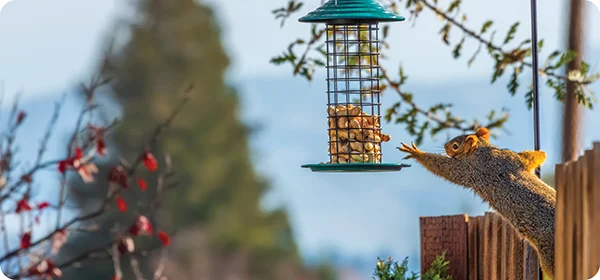
The allure of a readily available food source can be irresistible to a wide array of backyard wildlife. For dedicated bird enthusiasts, the sight of feathered visitors flocking to feeders is a cherished experience. However, this abundance can also attract a host of other creatures, from agile squirrels to larger bird species, often referred to as "nuisance" birds, leading to frustration and the depletion of valuable birdseed. This article explores effective strategies and innovative solutions for maintaining a harmonious balance in backyard ecosystems, ensuring that the intended avian beneficiaries can enjoy their meals without undue competition or disruption.
The Growing Challenge of Backyard Wildlife Competition
In recent years, as more individuals embrace the hobby of backyard bird feeding, the challenges associated with managing these food sources have become increasingly apparent. Data from wildlife management agencies and ornithological societies suggest a notable increase in urban and suburban wildlife populations, driven by factors such as habitat fragmentation and the widespread availability of supplemental food sources. This demographic shift has amplified the need for practical, humane, and effective methods to deter non-target species from feeders.
The fundamental principle driving this competition is survival. For many wild animals, finding consistent nourishment is a daily, often arduous, task. When a bird feeder presents a concentrated and easily accessible source of calories, it is natural for these animals to exploit this resource. Squirrels, known for their remarkable agility and problem-solving skills, are particularly adept at overcoming common feeder designs. Similarly, certain bird species, when present in large numbers, can consume vast quantities of seed, leaving little for the smaller, more delicate birds that many enthusiasts aim to attract.
Addressing the Squirrel Menace: Engineering Exclusion
Squirrels, with their insatiable appetite and acrobatic prowess, are often the primary antagonists in the battle for backyard feeders. Their ability to leap impressive distances, climb virtually any surface, and even chew through some materials makes them formidable adversaries. The economic impact can also be significant, as damaged feeders and rapidly depleted seed supplies can lead to considerable ongoing costs for bird enthusiasts.
One of the most widely recognized and effective solutions for deterring squirrels is the implementation of baffles. These devices are designed to prevent squirrels from climbing poles or accessing feeders from above.
Stovepipe Baffles: The Pole-Mounted Protector
For feeders mounted on poles, stovepipe baffles are a highly recommended deterrent. These are typically smooth metal cylinders, often measuring around 15-30 inches in length and 6-12 inches in diameter. Their effectiveness lies in their smooth, unclimbable surface. To be most effective, a stovepipe baffle should be positioned on the pole at a height of at least five feet above the ground. Crucially, the entire pole system, including the feeder, must be situated at least 10 feet away from any potential launching points. This includes trees, bushes, fences, decks, or any other structure that a squirrel could use to jump directly onto the feeder. When installed correctly, a stovepipe baffle effectively transforms a pole-mounted feeder into a squirrel-proof haven.
The strategic placement is paramount. A squirrel’s jumping ability is considerable, and if the feeder is too close to an alternative access point, the baffle’s purpose is undermined. Studies on animal behavior in urban environments consistently highlight the adaptability of squirrels; therefore, a multi-faceted approach that considers all potential access routes is essential for success.

Hanging Feeders: The Domed Defense
For feeders that are hung from trees or eaves, a different type of baffle is required. In these scenarios, a domed squirrel baffle, often made of metal or durable plastic, is installed above the feeder. This dome acts as a physical barrier, preventing squirrels from descending along the hanging wire or chain. The dome should be positioned directly over the feeder, providing a sufficient overhang to block any attempted descent. This method is particularly useful for preventing squirrels from reaching feeders suspended from branches or shepherd’s hooks. The challenge with hanging feeders is that they can be accessed from above, making the domed baffle a critical component of a squirrel-proofing strategy.
Exclusion Cages: The Feeder Enclosure
Another innovative approach to squirrel exclusion involves retrofitting feeders with specialized cages. These "exclusion cages" are essentially wire mesh enclosures that surround the feeder. They are designed with openings large enough to allow smaller birds to pass through but too small to permit squirrels or larger nuisance birds. These cages come in various sizes and configurations, making them adaptable to a wide range of feeder types, including tube feeders, hopper feeders, and even suet feeders. The effectiveness of exclusion cages lies in their ability to physically block larger animals while providing unimpeded access for the intended avian visitors. This method offers a visually distinct solution and can also deter larger bird species.
Managing "Nuisance" Birds: Strategic Feeding and Feeder Design
While squirrels present a physical challenge, "nuisance" birds, typically those that congregate in large numbers, pose a different kind of problem. These are often species like starlings, grackles, or house sparrows, which can quickly deplete feeders, deterring smaller songbirds and leading to increased costs for birdseed. The definition of a "nuisance" bird is subjective and depends on the enthusiast’s specific goals for their feeder.
The key to managing these species lies in understanding their preferences and employing feeder designs that favor smaller birds.
Seed Selection: A Matter of Taste
The type of birdseed offered plays a significant role in attracting or deterring certain species. Some seeds are universally appealing, while others are more selective.
- Seeds to Avoid: Cracked corn and millet are often highly attractive to larger, gregarious bird species and can be quickly consumed. While they are cost-effective, their widespread appeal can lead to rapid depletion and the exclusion of smaller birds.
- Strategic Alternatives:
- Safflower: This white, striped seed is a favored food for many popular backyard birds, including cardinals, chickadees, and finches. Crucially, many "nuisance" birds, such as blackbirds and starlings, tend to dislike safflower, making it an excellent choice for discouraging their presence. Its slightly bitter taste deters many common feeder raiders.
- Pure Suet Cakes: While suet blends can be attractive to a wide range of birds, pure suet cakes, devoid of added grains or fillers, are often ignored by starlings. However, they remain highly appealing to woodpeckers, nuthatches, and other desirable insectivorous birds. Offering pure suet, particularly during colder months, can provide a valuable food source for these species without attracting the larger flocks.
The shift in seed selection can be a gradual process, and it is important to observe which birds respond positively to the new offerings. Many resources, including local ornithological societies and experienced bird feeding specialists, can provide detailed lists of seed preferences for various bird species.
Feeder Engineering: Designed for the Small
The physical design of bird feeders can also be instrumental in controlling which birds have access to the food.
- Weight-Sensitive Feeders: These feeders are equipped with a mechanism that closes the feeding ports when a heavier bird lands on them. Typically, these are set to close when a bird weighing around one ounce or more lands on the perch. This effectively allows smaller birds, which are generally lighter, to feed undisturbed while deterring larger species like grackles or starlings. The sensitivity can often be adjusted to fine-tune which birds are excluded.
- Cage Feeders: Similar to the exclusion cages used for squirrels, feeders with built-in wire cages are designed to allow smaller birds access to the feeding ports while preventing larger birds from entering. The mesh size of the cage is critical in determining which birds can access the food.
- Short or No Perches: Many feeders designed for smaller birds feature very short perches or no perches at all. This makes it difficult for larger birds to balance and feed effectively, while smaller birds can perch easily or cling to the feeder. This design subtly guides feeding opportunities towards the desired species.
Expert Advice and Community Resources
Navigating the complexities of backyard wildlife management can be challenging, and seeking expert advice is often beneficial. Many local Wild Birds Unlimited stores, for example, employ Certified Bird Feeding Specialists who are trained to provide personalized recommendations based on local wildlife and the specific challenges faced by individual customers. These specialists can offer hands-on demonstrations of various products and provide insights into the most effective strategies for a particular region.

Furthermore, the rise of online resources and podcasts dedicated to backyard birding offers a wealth of information. For instance, the "Nature Centered Podcast" from Wild Birds Unlimited has featured episodes specifically addressing critter solutions, providing listeners with practical tips and expert interviews. Episode 76, "Critter Solutions," is a prime example of this accessible educational content.
Broader Implications and Future Trends
The ongoing dialogue and development of critter solutions reflect a broader trend towards more informed and responsible backyard wildlife management. As human populations expand into natural habitats, the interface between wildlife and human environments becomes more pronounced. Effective critter management not only enhances the enjoyment of backyard bird feeding but also contributes to the overall health and sustainability of local ecosystems.
The development of humane deterrents and selective feeding strategies underscores a growing appreciation for the natural world and a desire to coexist with wildlife. Future innovations in this field may include even more sophisticated feeder designs, bio-acoustic deterrents, or natural repellents that are safe for both wildlife and the environment. The ultimate goal is to foster an environment where humans and wildlife can share spaces harmoniously, with bird feeders serving their intended purpose: to support and delight avian populations.
In conclusion, the challenges posed by squirrels and nuisance birds at backyard feeders are common but not insurmountable. By understanding the behavior of these animals and employing a combination of strategic feeder placement, appropriate baffles, selective seed choices, and well-designed feeders, enthusiasts can effectively protect their birdseed and ensure that their feeders remain a welcoming oasis for the birds they cherish. This proactive approach not only safeguards investments in feeders and seed but also contributes to a more balanced and enjoyable backyard ecosystem.
