
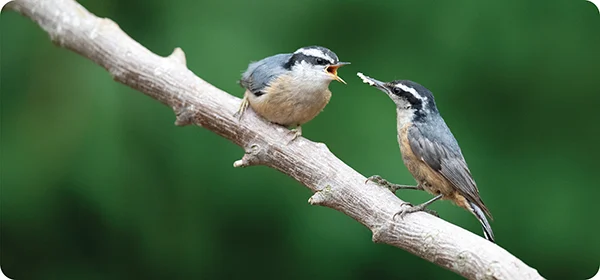
The arrival of new avian life in our backyards, heralded by the chirps and flutters of fledgling birds, represents a profound and often overlooked source of natural joy. This annual spectacle, unfolding from early spring through the summer months, is not merely a passive observation for nature enthusiasts but a testament to the intricate cycles of life and the crucial role human support can play in ensuring the survival and prosperity of these delicate creatures. Wild Birds Unlimited (WBU), a prominent franchise system dedicated to backyard bird feeding and nature education, highlights the significant impact that readily available food and thoughtfully provided habitats can have on nesting success rates, ultimately contributing to a more vibrant and resilient local ecosystem.
The Science Behind Nesting Success: How Feeders Make a Difference
Recent research and ongoing observations by ornithologists and conservationists underscore the tangible benefits of providing supplemental food sources for wild birds, particularly during the demanding nesting season. Studies have consistently indicated a correlation between reliable access to bird feeders and earlier egg-laying in many species. For instance, research published in journals such as The Auk: Ornithological Advances has demonstrated that birds feeding on supplementary diets, rich in essential nutrients like protein and calcium, exhibit improved reproductive timing. This earlier nesting is a significant advantage, as it often means less competition for prime nesting sites and a greater abundance of natural insect prey available for newly hatched young, leading to higher survival and fledging rates.
Furthermore, the presence of feeders allows breeding female birds to allocate more of their energy towards critical nesting activities. Instead of expending valuable time and resources foraging for food, females can dedicate themselves to selecting optimal nesting locations, constructing more robust and protective nests, and vigilantly defending their eggs and chicks from a myriad of predators. This increased efficiency in parental care directly translates to a greater likelihood of successful brood rearing.
The nutritional quality of food provided also plays a vital role. When parent birds have access to abundant and diverse feeder foods, they are empowered to seek out a wider spectrum of natural food resources to supplement their young’s diet. This enhanced nutrition can have a cascading effect, reducing aggression among nest siblings and promoting faster, healthier growth rates. This phenomenon is particularly evident in species that rely heavily on insects, which can fluctuate in availability throughout the season. Supplemental feeding can bridge these gaps, ensuring consistent nourishment for developing chicks.
Beyond Food: Creating a Bird-Friendly Habitat
While feeders offer critical nutritional support, they are only one piece of the puzzle in fostering successful bird nesting. The creation of a comprehensive bird-friendly habitat encompasses several key elements, each contributing to the well-being of nesting avian populations.
Nesting Boxes: Shelters Against the Elements
The strategic placement and proper design of nesting boxes can dramatically improve nesting success, especially in regions experiencing unpredictable weather patterns. A well-constructed birdhouse provides crucial shelter from extreme cold, dampness, and intense heat, offering a safe haven for eggs and young birds. Different species have specific requirements for cavity size, entrance hole diameter, and placement height, making it essential for homeowners to research the needs of local birds. For example, bluebirds often favor open areas with scattered trees and require boxes with specific dimensions to deter predators and competitors. Similarly, chickadees and wrens utilize smaller cavities, often found in more wooded environments.
The Art of a "Messy" Yard: Embracing Natural Resources
Contrary to the conventional ideal of a manicured lawn, a slightly less "tidy" yard can be a haven for nesting birds. Immaculately maintained landscapes often lack the natural resources birds require for nest construction and sustenance. Untrimmed shrubs, leaf litter, and undisturbed patches of native vegetation provide essential materials like twigs, grasses, mosses, and animal fur for nest building. Moreover, these natural elements support a diverse insect population, a primary food source for many bird species, and offer crucial foraging grounds.
Native Plantings: The Foundation of a Thriving Ecosystem
Integrating native trees, shrubs, and wildflowers into garden landscapes is paramount for supporting local bird populations. Native plants are specifically adapted to the local climate and soil conditions, requiring less maintenance while providing a wealth of benefits. They offer diverse nesting sites, from the sturdy branches of mature trees to the dense foliage of shrubs, and a continuous supply of natural food sources in the form of seeds, berries, nectar, and insects. For instance, flowering dogwoods provide early spring nectar and later summer berries, while oak trees offer a rich insect buffet and nesting material. The National Audubon Society advocates for planting native species, noting that they support significantly more insect life, which is the primary food for most songbirds during the breeding season.
Wild Birds Unlimited’s Specialized Nesting Support
Wild Birds Unlimited recognizes the multifaceted needs of nesting birds and has developed specialized products to support these efforts. Their Nesting SuperBlend, for instance, is a carefully curated mix of ingredients designed to provide essential protein and calcium for nesting families. This blend typically includes high-energy components such as sunflower chips, peanuts, and mealworms, alongside calcium-rich ingredients and tree nuts. This comprehensive formula is beneficial for birds in all stages of the nesting cycle, from preparing for nesting to feeding newly fledged young.

Bark Butter, another WBU staple, is a high-energy, protein-rich food that can be spread on trees or feeders. It has proven particularly effective in attracting a wide variety of birds, including woodpeckers and chickadees, who can then readily access this vital food source to provision their young. The inclusion of Bark Butter Bits in their Nesting SuperBlend further enhances the nutritional profile, ensuring that nesting birds have access to the building blocks necessary for healthy growth and development.
The Human Element: Finding Joy in Conservation
The act of providing for nesting birds extends beyond mere sustenance; it cultivates a profound connection with the natural world. The sight of a parent bird diligently feeding its hungry brood, the awkward first flights of fledglings, and the vibrant chorus of young birds learning to sing are experiences that enrich our lives and foster a deeper appreciation for biodiversity. As WBU Inc. articulates, "Joy comes from nature not only in what we see…but also in what we do. And there is certain joy in knowing that you helped to make a difference for the birds that choose to raise their families in your yard."
This sentiment is echoed by conservationists who emphasize the cumulative impact of individual actions. When numerous households create bird-friendly environments, the collective effect can be substantial, contributing to the health and resilience of local bird populations and the broader ecosystem. This engagement transforms passive observers into active stewards of nature, fostering a sense of responsibility and accomplishment.
A Deeper Dive into Avian Parenting and Habitat Needs
The challenges faced by nesting birds are multifaceted. Beyond the natural fluctuations in food availability, they contend with increasing habitat fragmentation, predation pressures, and the impacts of climate change. Providing consistent food sources through feeders can act as a buffer against some of these environmental stressors. Research has indicated that in urban and suburban environments, where natural food sources might be scarcer due to landscaping practices and pesticide use, supplemental feeding can be particularly critical. A study conducted in the UK by the British Trust for Ornithology (BTO) found that garden feeding significantly impacts the survival rates of several common garden bird species, especially during harsh winter months, but also has implications for breeding success by ensuring adults are in better condition to reproduce.
The types of food offered are also important. During the nesting season, birds require higher levels of protein to fuel egg production and chick growth. Insectivorous birds, for instance, rely on a steady supply of caterpillars and other invertebrates. While natural insect populations are crucial, feeders offering mealworms or high-protein seed mixes can supplement this supply. Calcium is another vital nutrient, essential for strong eggshells and bone development in chicks. WBU’s inclusion of calcium in their Nesting SuperBlend directly addresses this need.
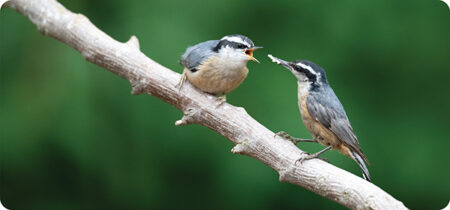
Habitat, as previously discussed, is equally critical. The availability of suitable nesting sites is a primary limiting factor for many bird species. While natural cavities in trees are ideal, they are often scarce in developed areas. The provision of birdhouses designed for specific species can fill this gap. For example, the Eastern Bluebird, a species that readily utilizes nest boxes, has seen population recovery in areas where well-placed and properly maintained boxes are available.
Beyond the immediate needs of nesting, the broader ecological context is important. A diverse range of native plants not only provides food and shelter but also supports the insect life that forms the base of the food web for many birds. This interconnectedness highlights the holistic approach required for effective conservation.
Broader Implications and the Future of Bird Conservation
The increasing engagement of individuals in backyard bird feeding and habitat creation has broader implications for conservation efforts. It raises public awareness about the challenges faced by avian populations and fosters a sense of stewardship that can translate into support for larger conservation initiatives. Furthermore, data collected by citizen scientists, such as those participating in the WBU’s Bird Feeding Trends survey, provides valuable insights into bird behavior, migration patterns, and the effectiveness of different feeding strategies. This information can inform scientific research and guide conservation policies.
The trend towards providing more natural and supportive environments for wildlife in residential areas is a positive one. As urban and suburban landscapes continue to expand, creating pockets of biodiversity within these areas becomes increasingly important. The principles advocated by organizations like Wild Birds Unlimited—providing food, water, shelter, and places to raise young—are not just beneficial for birds but also contribute to the overall health and resilience of local ecosystems.
The success of initiatives like Wild Birds Unlimited, with its extensive network of stores and educational resources, demonstrates a growing public desire to connect with nature and contribute to its well-being. This grassroots movement, coupled with scientific research and targeted conservation efforts, offers hope for the future of wild bird populations. By understanding the intricate needs of nesting birds and taking proactive steps to meet them, individuals can play a significant role in ensuring that the joy of nesting birds continues to be a vibrant part of our natural world for generations to come.

For those seeking to deepen their understanding and involvement, Wild Birds Unlimited offers resources such as their Nature Centered Podcast, with episodes like "Joy of Summer Birds," which delve further into the nuances of supporting avian life during the breeding season. This commitment to education and community engagement underscores the belief that bringing people and nature together is a powerful force for positive change.
