
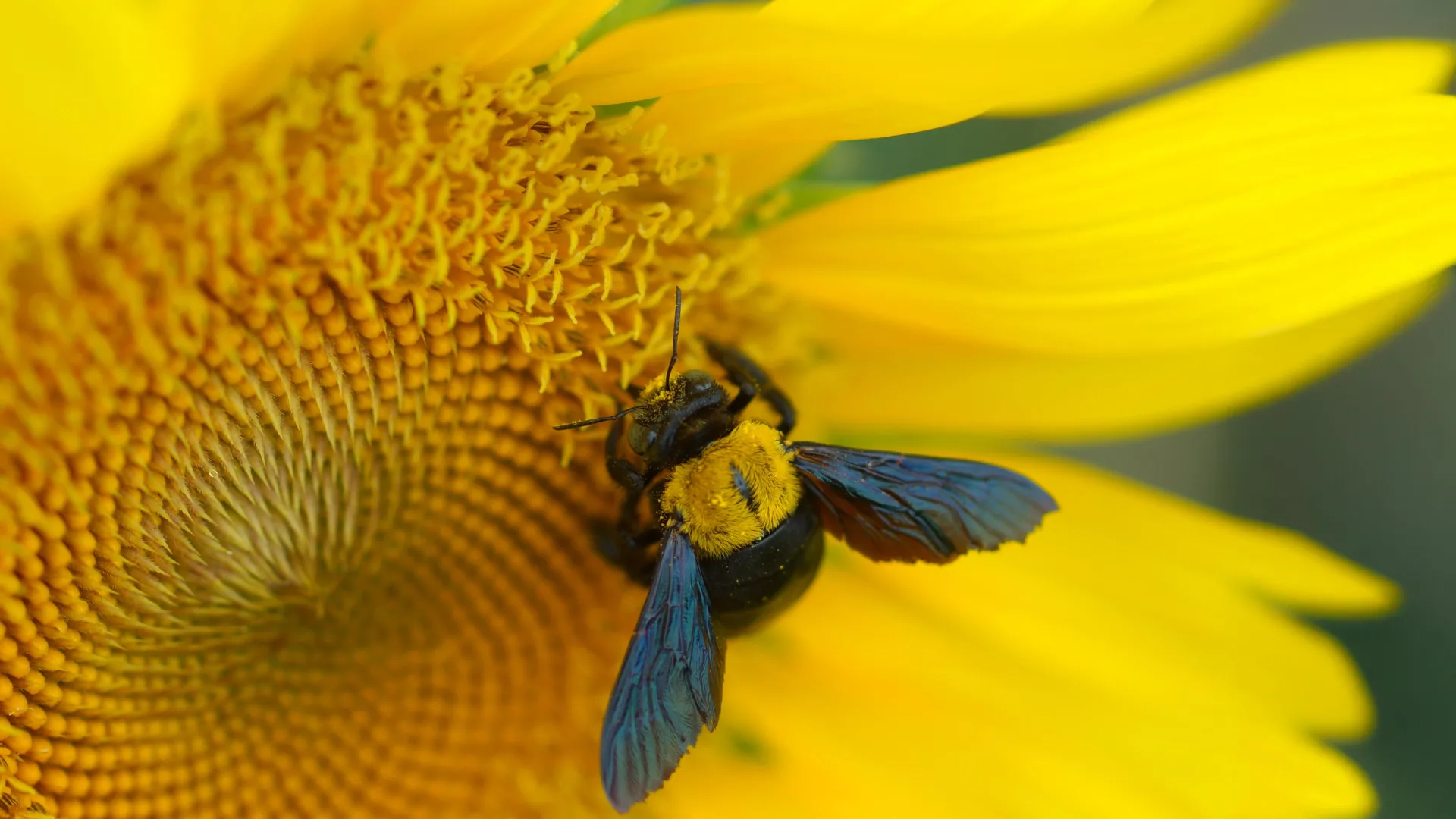
New research suggests that native bee species that build their nests inside plant stems may face the greatest immediate threat from rising temperatures linked to climate change, with tropical populations appearing particularly vulnerable. In contrast, bees that nest underground appear better equipped to avoid dangerous heat, underscoring a critical distinction in how climate change impacts the vast diversity of pollinator species. This urgent finding, published in Nature Communications, highlights a complex ecological challenge, demanding nuanced conservation strategies to protect the essential role these insects play in both natural ecosystems and agricultural production across Australia.
The Unseen Threat: Climate Change and Native Bees
The study, a collaborative effort by a consortium of Australian universities, meticulously examined the heat tolerance of 95 native bee species found across eastern mainland Australia. This extensive geographical scope, stretching from the hot, humid tropics of the north to the cooler, temperate southern regions, allowed researchers to draw comprehensive conclusions about how different species cope with thermal stress and their evolutionary adaptations. Led by experts from Macquarie University, The University of Sydney, La Trobe University, Flinders University, University of Wollongong, Adelaide University, and The University of Queensland, the team sought to understand the evolutionary pathways of heat tolerance and, crucially, to assess the immediate vulnerability of these species to a rapidly warming climate.
The core finding reveals a stark difference in vulnerability based on nesting habits. Bees that construct their homes within the slender confines of plant stems lack the thermal insulation and stable microclimates enjoyed by their subterranean counterparts. Dr. Carmen da Silva, lead author and Research Fellow in the Pollinator Futures Research Centre at Macquarie University in Sydney, emphasized this critical distinction. "Bees that nest underground can hide from extreme heat – as a result, they don’t experience temperatures as high as those that live above ground, particularly species that live in thin plant stems that offer very little insulation from the heat outside," Dr. da Silva explained. This inherent lack of thermal refuge places stem-nesting species in a precarious position. "Stem-nesting species appear to have the lowest capacity to escape unfavorable environmental temperatures and are likely to be the most impacted by anthropogenic climate change in the near term," she added, signaling an immediate and pressing conservation concern. The study’s robust findings firmly establish nesting location as a paramount factor in determining a bee species’ capacity to withstand escalating temperatures.
Australia’s Diverse Pollinators: A Deeper Look at Nesting Habits
Australia is a biodiversity hotspot for native bees, boasting approximately 1,700 known species, each playing a unique ecological role. These fascinating insects exhibit a remarkable array of nesting strategies, broadly categorized into three main types, each with distinct implications for thermal exposure:
- Ground Nesters: A significant proportion of native bee species, including many solitary bees, excavate burrows in the soil. These underground nests, often intricate tunnels leading to individual brood cells, benefit from the earth’s natural insulating properties. Soil temperatures typically fluctuate far less dramatically than air temperatures, providing a stable, cooler environment during extreme heat waves. This thermal buffering capacity allows ground-nesting bees to largely escape the most severe surface temperatures.
- Wood/Cavity Nesters: Another group utilizes existing cavities in wood, such as hollows in living trees, fallen branches, or even old beetle borings. While offering more protection than open-air exposure, the insulation provided by wood can vary depending on the cavity size, wood density, and external environmental conditions. Larger, deeper cavities generally offer better thermal stability.
- Stem Nesters: The group identified as most vulnerable, stem-nesting bees, construct their nests within the hollow or pithy stems of plants, or in small existing holes in twigs. These narrow, often shallow enclosures offer minimal insulation against external heat. As ambient temperatures rise, the internal temperature of these slender plant stems can quickly climb to dangerous levels, leaving the developing larvae and adult bees highly susceptible to thermal stress. Species like some members of the Hylaeus (masked bees) or Megachile (leaf-cutter bees) may employ such strategies.
Understanding these varied nesting habits is not merely an academic exercise; it is fundamental to developing targeted conservation strategies. The study’s revelation underscores that a "one-size-fits-all" approach to pollinator protection will be insufficient in the face of climate change.
The Broader Ecological Imperative: Why Bee Survival Matters
The survival of native bees transcends their intrinsic value; it is profoundly intertwined with the health of ecosystems and the productivity of agriculture globally. Dr. da Silva succinctly articulated this critical importance: "Bees are critical in ecosystems all over the world because of their role as pollinators, and they’re under threat from warming and drying climates." As key orchestrators of plant reproduction, bees facilitate the growth of countless native flora, ensuring biodiversity, supporting food webs, and contributing to ecosystem resilience. Without them, many plant species would struggle to reproduce, leading to cascading effects on herbivores, carnivores, and the very structure of natural habitats.
Beyond their ecological roles, native bees are indispensable to agricultural crop production. While the European honeybee (Apis mellifera) often receives the lion’s share of attention for its role in commercial pollination, native bees provide crucial, and often irreplaceable, pollination services for a wide array of crops. In Australia, tropical native bees are vital pollinators for high-value crops such as macadamia nuts, avocados, mangoes, lychees, and various berry crops. Many native bee species exhibit unique pollination behaviors, such as ‘buzz pollination’ (sonication), which is essential for releasing pollen from certain flowers like tomatoes, blueberries, and eggplants—a service honeybees cannot perform. The economic value of these pollination services is immense, contributing billions of dollars to global agriculture annually. The potential decline of native bee populations, particularly those identified as most vulnerable, poses a significant threat to food security and the economic viability of agricultural industries.
Geographic Vulnerability: Tropical Bees on the Frontline
The research also uncovered a distinct geographical pattern of vulnerability, with bee species residing closer to the equator appearing more susceptible to the impacts of climate change. Tropical bees, accustomed to warmer but historically stable climates, now face the highest overall risk as temperatures continue to climb. This finding adds another layer of complexity to the climate change narrative, suggesting that even species adapted to generally warm environments may be pushed beyond their thermal limits.
Dr. Vanessa Kellermann, Senior Lecturer in the Department of Ecology, Plant and Animal Sciences at La Trobe University and a senior author of the study, highlighted the nuances of predicting species vulnerability. "Predicting which species will be vulnerable to climate change is one of the biggest challenges in ecology," she stated. Her observations revealed a counterintuitive truth: "We found bee species with the highest heat tolerance were not necessarily the safest from warming, because many of them already live in extremely hot environments." This means that species already living at the upper bounds of their thermal tolerance, even if those bounds are high, have little to no "buffer" capacity to absorb further temperature increases. Their current environment is already close to their physiological maximum, leaving them with minimal adaptive potential against future warming. This insight is particularly concerning for the biodiverse tropical regions of Australia, which are already experiencing some of the most pronounced impacts of climate change.
Climate Change: An Accelerating Threat to Pollinators
The findings of this study are situated within a broader, accelerating global crisis of climate change and biodiversity loss. Over the past century, global average temperatures have risen by approximately 1.1°C above pre-industrial levels, with much of this warming occurring in recent decades. The Intergovernmental Panel on Climate Change (IPCC) consistently warns of escalating impacts, including more frequent and intense heatwaves, altered rainfall patterns, and shifts in ecological zones.
In Australia, the Bureau of Meteorology and CSIRO’s "State of the Climate" reports confirm a clear warming trend, with the country experiencing significant increases in average temperatures, more frequent extreme heat events, and a longer fire season. These environmental shifts directly impact insect populations. Increased temperatures can disrupt the delicate synchrony between flowering plants and their pollinators. If bees emerge earlier or later than the peak flowering period of their primary food sources, their survival and reproductive success are severely compromised. Elevated temperatures also directly affect bee physiology, increasing metabolic rates, reducing foraging efficiency, impairing immune responses, and even altering reproductive cycles. Extreme heat can lead to desiccation and direct mortality, especially for species unable to find thermal refuges. The cumulative effect of these stressors, exacerbated by habitat loss and pesticide use, contributes to the observed declines in insect populations globally.
Research Evolution and Future Directions
The scientific understanding of insect thermal ecology has evolved significantly. Early studies often focused on broad physiological limits, but modern research, like this Nature Communications study, integrates ecological context, evolutionary history, and behavioral aspects to provide a more holistic picture of vulnerability. The collaborative nature of this research, bringing together multiple institutions and diverse expertise, exemplifies the interdisciplinary approach now required to tackle complex environmental challenges.
Despite these advances, much remains unknown about Australia’s rich and diverse native bee populations. Dr. Ros Gloag, co-senior author and Senior Lecturer in Evolutionary Biology in the School of Life and Environmental Sciences at the University of Sydney, underscored this knowledge gap. "We still know so little about most of Australia’s amazing native bees," Dr. Gloag noted. She stressed that "this study helps us recognise that having a better understanding of native bee behavior is key to identifying the greatest threats to their wild populations." This emphasizes the need for continued, in-depth research into specific species’ life histories, foraging patterns, reproductive strategies, and microhabitat preferences. Such granular understanding is vital for designing effective, species-specific conservation interventions. Future research could focus on quantifying the precise thermal insulation offered by different nesting materials, monitoring population trends of vulnerable stem-nesting species, and investigating genetic adaptations (or lack thereof) to rising temperatures.
Implications for Conservation and Agriculture
The findings carry profound implications for conservation efforts and agricultural practices across Australia. Immediate and targeted actions are required to mitigate the predicted impacts.
Conservation Strategies:
- Habitat Preservation and Restoration: Protecting existing natural habitats, particularly areas rich in plant stems suitable for nesting and diverse flowering plants for foraging, is paramount. This includes preserving native vegetation corridors and reducing fragmentation.
- Creation of "Bee Hotels" and Artificial Nests: While potentially beneficial, these must be implemented with careful consideration. The study suggests that general "bee hotels" might inadvertently favor less vulnerable species or even exacerbate disease transmission if not properly designed and maintained. Specific designs that mimic the thermal properties of ideal natural nesting sites, or materials that offer greater insulation, might be necessary for vulnerable stem-nesting species.
- Native Plant Corridors: Establishing and maintaining networks of native flora across landscapes provides crucial food sources and nesting opportunities, allowing bees to move and adapt to changing conditions.
- Mitigation of Other Stressors: Climate change is not an isolated threat. Reducing the use of harmful pesticides, minimizing habitat destruction, and managing bushfire risks are essential complementary actions to bolster bee resilience.
Agricultural Adaptation:
- Diversification of Pollinator Sources: Farmers should be encouraged to integrate native bee habitats into agricultural landscapes, reducing over-reliance on a single pollinator species like the European honeybee. This "pollinator portfolio" approach offers greater resilience against environmental shocks.
- Climate-Resilient Farming Practices: Adopting practices that enhance biodiversity, improve soil health (benefiting ground-nesting bees), and provide shade or water during heatwaves can support pollinator populations.
- Research into Heat-Tolerant Crop Varieties: Exploring and developing crop varieties that can withstand higher temperatures or require less water could indirectly benefit pollinators by stabilizing agricultural ecosystems.
Policy Recommendations:
The study provides a strong scientific basis for advocating for stronger environmental policies.
- Increased Funding for Pollinator Research: Governments and funding bodies must prioritize investment in fundamental and applied research on native bees, especially in vulnerable regions.
- Integration into Land-Use Planning: Pollinator protection measures, particularly those safeguarding nesting habitats and foraging resources, should be explicitly integrated into regional land-use planning and development guidelines.
- Emissions Reduction Targets: Ultimately, the most impactful action is to address the root cause of the problem: greenhouse gas emissions. Stronger national and international commitments to emissions reduction are critical to slowing the rate of global warming and providing a fighting chance for all vulnerable species.
Stakeholder Reactions and Broader Call to Action
The scientific community’s findings have resonated with various stakeholders, prompting calls for urgent action. Environmental advocacy groups, such as the Australian Conservation Foundation and WWF Australia, have highlighted the study as further evidence of the profound and multifaceted impacts of climate change on Australia’s unique biodiversity. They have reiterated their calls for ambitious climate targets, robust biodiversity protection laws, and increased investment in habitat restoration.
Agricultural industry bodies, including the National Farmers’ Federation, while acknowledging the immediate economic concerns, have also expressed a commitment to sustainable practices. They recognize that the health of pollinator populations directly affects crop yields and long-term agricultural viability. Discussions are ongoing regarding best practices for integrating native bee habitats on farms and exploring climate-resilient farming techniques.
Government agencies, both state and federal, are increasingly recognizing the imperative to address pollinator decline. The study provides crucial data that can inform the development of national pollinator strategies, guiding policy decisions on land management, environmental protection, and agricultural support programs. The call to action is clear: a concerted, multi-sectoral effort is required, combining scientific research, informed policy, and community engagement, to safeguard Australia’s native bees and the vital ecological services they provide.
In conclusion, the Nature Communications study delivers a stark warning about the immediate threats posed by climate change to Australia’s native bee populations, particularly those species reliant on plant stems for nesting and those residing in tropical environments. It underscores the urgent need for a deeper understanding of native bee behavior and ecology, alongside comprehensive conservation strategies that acknowledge the diverse nesting habits and thermal vulnerabilities of these essential insects. The future of Australia’s ecosystems and agricultural productivity hinges on our collective ability to respond swiftly and effectively to this escalating environmental challenge.
