

The intersection of international volunteerism and wildlife conservation serves as a cornerstone for non-profit organizations in biodiversity hotspots like Costa Rica. Recently, Kim Schafroth, a communications student from Switzerland, completed a comprehensive two-month residency at the Toucan Rescue Ranch (TRR), a prominent wildlife rescue and rehabilitation facility located in the San Isidro de Heredia region. Her tenure highlighted a dual-track approach to conservation, involving both the rigorous physical demands of the Animal Care Team and the strategic outreach initiatives of the Marketing Team. This hybrid experience underscores the evolving nature of wildlife rescue operations, where specialized field skills are increasingly augmented by professional communication strategies to ensure organizational sustainability and public education.
The Institutional Framework of Toucan Rescue Ranch
Founded in 2004, the Toucan Rescue Ranch began as a specialized facility for rescued toucans but has since expanded into a multi-species rescue center and licensed zoo. The organization operates with a clear three-fold mission: rescue, rehabilitation, and release. Situated in the lush highlands of Costa Rica’s Central Valley, the ranch provides a critical sanctuary for animals displaced by habitat loss, the illegal pet trade, and accidents involving power lines or motor vehicles.
The facility’s operations are governed by strict protocols established in coordination with the Costa Rican Ministry of Environment and Energy (MINAE). For volunteers like Schafroth, participating in this ecosystem offers a unique vantage point into the complexities of tropical biology and the logistical challenges of maintaining a high-standard rescue facility. The ranch’s reliance on international volunteers is not merely a matter of labor; it is a fundamental component of its educational outreach, fostering a global network of conservation advocates who return to their home countries with first-hand knowledge of Central American ecology.
Chronology of Daily Operations and Animal Husbandry
The operational rhythm at the Toucan Rescue Ranch is dictated by the biological needs of its residents. For the Animal Care Team, the day commences promptly at 7:00 a.m. with a briefing session. These meetings serve as a critical communication hub where staff, interns, and volunteers review the previous 24 hours, noting any behavioral changes in the animals or medical concerns flagged by the veterinary department.
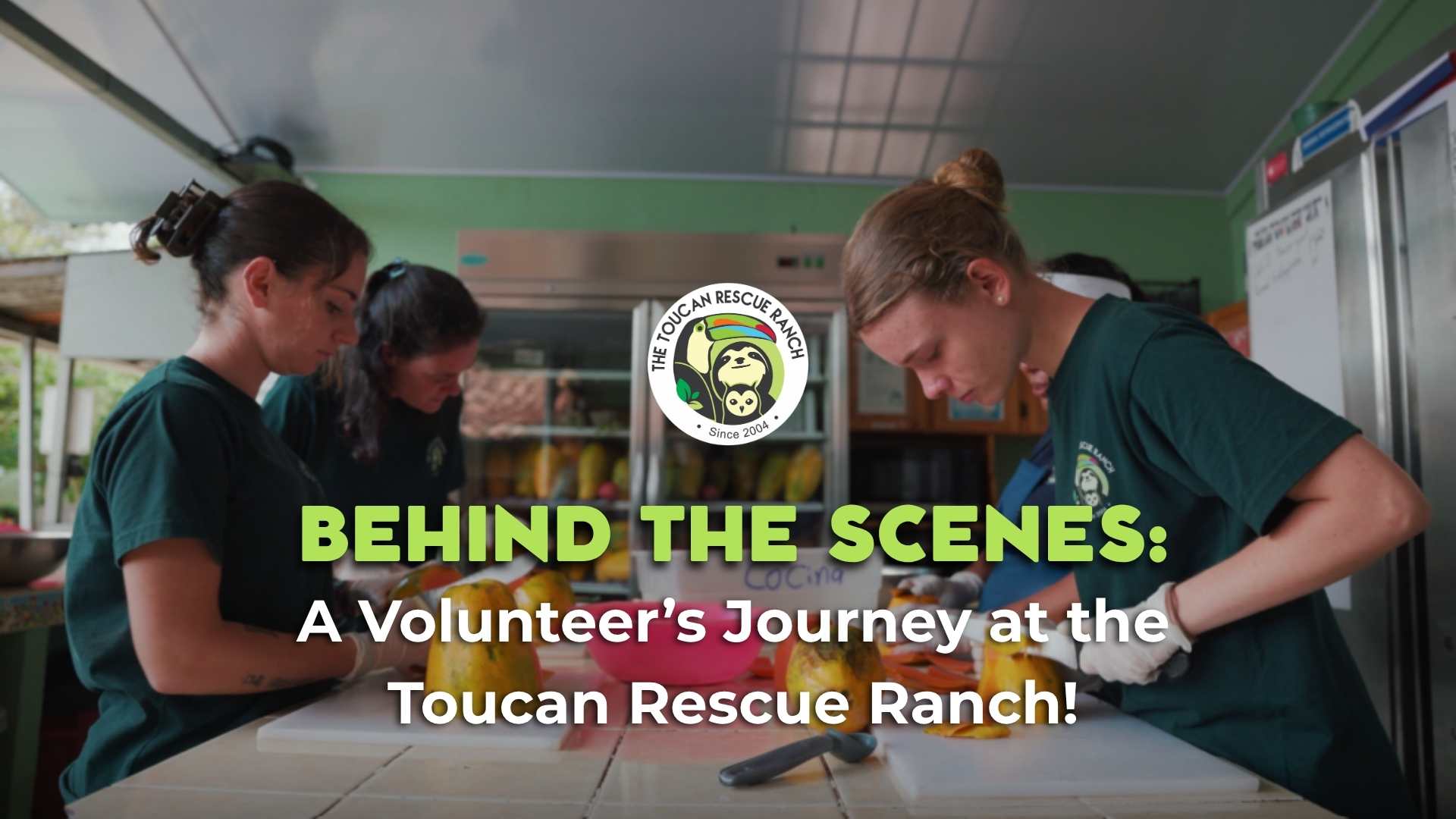
Following the briefing, the team bifurcates into specialized task forces. One group manages the "diet kitchen," a high-stakes environment where precision is paramount. The nutritional requirements of the residents are diverse; for instance, parrots require specific seed blends, while toucans and other softbills rely heavily on papaya and other low-iron fruits to prevent hemochromatosis, a common condition in captive birds. Simultaneously, the second group focuses on sanctuary maintenance, which involves the meticulous cleaning of enclosures and the replenishment of water trays.
The distribution of meals is a coordinated effort. Beyond the avian residents, the ranch cares for a variety of mammals, including monkeys and grisons (members of the mustelid family). These animals receive "colorful plates" consisting of a wide array of fruits and vegetables, ensuring a nutrient-dense diet that mimics their natural foraging patterns. This morning routine concludes with a traditional Costa Rican breakfast, providing a brief period of respite before the secondary phase of the workday begins.
Enrichment Strategies and Specialized Care
A critical component of modern wildlife rehabilitation is behavioral enrichment, a practice Schafroth engaged in extensively during her stay. Enrichment is designed to stimulate the natural instincts of animals in captivity, preventing the development of stereotypic behaviors and preparing those slated for release for the challenges of the wild.
Volunteers are tasked with creating various "puzzles" and activities for the residents. This includes constructing "fruit trees" for the birds, preparing "tamales" wrapped in banana leaves for mammals to forage through, and creating frozen fruit juice "ice cream" to help the animals regulate their body temperature during the warmer hours of the day.
Specialized care also extends to individual species with unique requirements. Schafroth noted the specific routine for Emma, the ranch’s resident North American river otter. Emma’s feeding involves a three-stage process throughout the day, during which she is provided with trout. Observers noted her habit of "dunking" her food into her pool, a natural behavior that the staff encourages to maintain her aquatic instincts. Similarly, the afternoon hours are dedicated to the facility’s nocturnal residents. Mammals such as kinkajous, porcupines, and the paca—a large rodent native to the tropical Americas—are monitored and fed as they wake, allowing the care team to assess their health and mobility during their active periods.
The Strategic Integration of Marketing and Conservation
In a departure from traditional volunteer roles, Schafroth’s second month was dedicated to the Toucan Rescue Ranch Marketing Team. This transition reflects a growing trend in the conservation sector: the professionalization of digital outreach and fundraising. For a non-profit organization, visibility is directly correlated with the ability to secure grants, attract donors, and educate the public on wildlife protection laws.
Leveraging her academic background in communications, Schafroth assisted in documenting the ranch’s activities, creating content that bridges the gap between scientific rehabilitation and public interest. Marketing in this context serves several functions:
- Fundraising: Highlighting individual animal stories to encourage symbolic adoptions.
- Education: Disseminating information on how the public should react when encountering injured wildlife.
- Transparency: Providing updates on the "Saving Sloths Together" program and other release initiatives to show donors the direct impact of their contributions.
This professional experience allowed Schafroth to apply theoretical communication models to real-world conservation challenges, illustrating that modern environmentalism requires as much desk-based strategy as it does field-based labor.
Infrastructure and the Volunteer Community
The logistical backbone of the volunteer experience is the TRR Headquarters and the adjacent volunteer house. Located just two minutes from the main ranch, the house serves as a communal living space for a diverse cohort of international participants. The facility is designed to accommodate both short-term volunteers and long-term interns, with a layout that includes dormitories, private rooms, and communal kitchens and living areas.
The social dynamics of the volunteer house are integral to the program’s success. Schafroth emphasized the "warm and friendly atmosphere" that facilitates rapid integration. The communal living arrangement encourages the exchange of ideas and cultural perspectives, often leading to lifelong professional networks in the field of biology and environmental science. In the evenings, volunteers often travel to nearby San José, exploring the capital’s cultural offerings, such as Chinatown or local cinemas, which provides a necessary balance to the intensive physical labor of the ranch.
Broader Implications for Global Wildlife Conservation
The experience of volunteers at the Toucan Rescue Ranch provides a microcosm of the broader challenges facing global biodiversity. Costa Rica, while comprising only 0.03% of the earth’s landmass, contains nearly 5% of the world’s species. The pressure on this biodiversity is immense, and facilities like TRR act as a frontline defense against the local extinction of vulnerable species.
Data from the ranch indicates that the involvement of international volunteers significantly increases the capacity of the permanent staff to handle large-scale rescues. Furthermore, the "Release" aspect of the ranch’s mission—often the most difficult stage of rehabilitation—requires long-term monitoring and data collection, tasks that are frequently supported by the consistent presence of dedicated volunteers and interns.
From a journalistic perspective, the success of Schafroth’s tenure at TRR highlights the symbiotic relationship between human development and animal welfare. By fostering patience, teamwork, and independence, the program does more than just care for injured birds and mammals; it trains the next generation of global citizens to be stewards of the environment.
Conclusion and Future Outlook
Kim Schafroth’s two-month journey from Switzerland to the cloud forests of Costa Rica serves as a testament to the impact of hands-on conservation. Her reflection on the experience emphasizes a crucial lesson: while the animals are the focus, the human element—the teamwork, the welcoming nature of the Costa Rican people, and the professional application of skills—is what makes the mission sustainable.
As the Toucan Rescue Ranch continues to expand its facilities and release programs, the role of the volunteer remains indispensable. The organization’s ability to blend rigorous animal husbandry with sophisticated marketing and a supportive community environment sets a benchmark for wildlife rescue operations worldwide. For those looking to gain a unique insight into the realities of wildlife rescue, rehabilitation, and eventual release, the ranch offers a profound educational platform that transcends the boundaries of traditional tourism, contributing instead to the vital work of preserving the planet’s natural heritage.
