
The Evolution of Poultry Nutrition: A Brief Chronology
The history of poultry feeding has transitioned through several distinct eras. In the pre-industrial period, chickens were primarily scavengers, supplementing their diet with insects, seeds, and occasional table scraps. By the mid-20th century, the rise of commercial poultry farming led to the development of nutritionally complete "crumbles" and "pellets," designed to maximize egg production and growth rates through precise ratios of protein, calcium, and carbohydrates.

However, the 21st-century resurgence of the "homesteading" movement has reintroduced the practice of feeding kitchen waste to chickens as a method of reducing landfill contributions and enhancing egg yolk color. While this circular economy approach is environmentally beneficial, it necessitates a rigorous screening process. Modern veterinary science, supported by institutions such as the Merck Veterinary Manual and various university extension services, has refined the list of prohibited substances, moving beyond anecdotal evidence to identify specific chemical compounds that trigger systemic failure in avian species.

The Chemical Hazards: High-Risk Toxins in Common Foods
The primary concern for poultry keepers involves foods containing naturally occurring compounds that are benign to humans but lethal to birds. The most prominent among these is persin, a fungicidal toxin found in avocados.

1. The Avocado Risk (Persin)
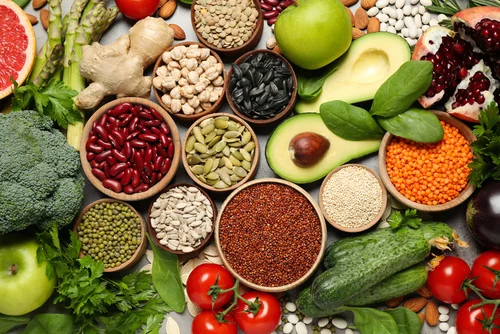
According to the Merck Veterinary Manual, all parts of the avocado plant—including the fruit, skin, pit, and leaves—contain persin. In birds, ingestion of even small quantities (as little as 5% of the fruit) has been associated with myocardial necrosis, a condition characterized by the death of heart muscle fibers. Symptoms often manifest within 24 to 48 hours and include respiratory distress, subcutaneous edema, and sudden death. Because the concentration of persin varies by avocado variety and ripeness, experts advise a total ban on avocado scraps in the coop.

2. The Nightshade Family (Solanine and Chaconine)
Potatoes, tomatoes, eggplants, and peppers belong to the Solanaceae family. These plants produce alkaloids such as solanine and chaconine as natural pesticides. In white potatoes, these toxins are concentrated in the green skin, sprouts ("eyes"), and the stems or leaves of the plant. Solanine is a potent neurotoxin that destroys red blood cells and can lead to heart failure or paralysis. While high-heat cooking (frying or baking) can reduce solanine levels, boiling is often ineffective. Consequently, raw potato peels and green potatoes are classified as high-risk materials.

Similarly, while ripe tomatoes and peppers are generally considered safe in moderation, their green, unripe counterparts and the foliage of the plants contain higher alkaloid concentrations. For the developing immune systems of chicks, even trace amounts can be debilitating.
.jpg)
3. Cyanogenic Glycosides in Stone Fruits
The seeds of apples and the pits of stone fruits—such as cherries, peaches, plums, and apricots—contain amygdalin, which breaks down into hydrogen cyanide when ingested. Cyanide interferes with cellular respiration, effectively suffocating the bird at a microscopic level. While the flesh of these fruits is a nutritious source of vitamins and fiber, the inclusion of pits or seeds in scrap buckets can lead to acute respiratory failure and cardiac arrest.

Metabolic Disruptors and Systemic Pathogens
Beyond direct toxins, several common foods act as metabolic disruptors, interfering with the chicken’s ability to process nutrients or maintain organ function.

Phytohaemagglutinin in Raw Beans
Dried beans, particularly red kidney beans, contain high levels of phytohaemagglutinin (lectin). This compound is a natural insecticide that causes severe gastrointestinal distress. In poultry, consuming as few as three or four raw beans can result in death within hours. To render beans safe, they must be soaked for several hours and boiled at high temperatures to neutralize the lectins. Notably, sprouted lentils and peas are generally safe, as the germination process alters the chemical profile of the seed.

Thiosulphate in Onions
Onions contain thiosulphate, a compound that causes Heinz body anemia in various animals, including poultry. Excessive consumption leads to the rupture of red blood cells, resulting in jaundice or death. Furthermore, there is significant evidence suggesting that high onion intake can taint the flavor of the eggs produced, rendering them unpalatable for human consumption. While garlic also contains thiosulphate, it is present at roughly 1/15th the concentration of onions and is often used in small, controlled amounts for its antimicrobial properties.

Methylxanthines: Caffeine and Chocolate
Theobromine and caffeine, both methylxanthines, are found in chocolate, coffee grounds, and tea bags. These substances are stimulants that the avian metabolism is ill-equipped to process. Ingestion leads to rapid heart rate (tachycardia), seizures, and eventual heart failure. Veterinary guidelines emphasize that there is no "safe" amount of chocolate for poultry, as the darker the chocolate, the higher the toxic load.

Dietary Limitations: The "Ten Percent" Rule
Agricultural experts suggest that treats and scraps should never exceed 10% of a chicken’s total daily caloric intake. Over-reliance on scraps can lead to obesity and nutrient deficiencies, which in turn affect eggshell quality and longevity.

- Oxalic Acid (Spinach and Rhubarb): Rhubarb leaves are highly toxic due to extreme concentrations of oxalic acid. While spinach is nutrient-dense, its oxalic acid content can bind with calcium, preventing the bird from using the mineral for eggshell production.
- Citrus Interference: Oranges and lemons are believed to interfere with calcium absorption. While chickens synthesize their own Vitamin C, excessive citrus can lead to thin-shelled eggs.
- The "Empty Calorie" Group: Iceberg lettuce, white rice, and white bread offer minimal nutritional value. High consumption of iceberg lettuce, in particular, can cause diarrhea due to its high water content and lack of fiber, though it may be used sparingly during extreme heatwaves to aid hydration.
- Dairy Sensitivity: Chickens are not biologically designed to digest lactose. While small amounts of yogurt provide beneficial probiotics and calcium, excessive dairy can cause severe digestive upset.
Clinical Symptoms of Food Toxicosis
Recognizing the signs of poisoning is essential for timely intervention. Poultry keepers should monitor their flocks for the following symptoms:

- Neurological: Convulsions, tremors, or paralysis.
- Respiratory: Labored breathing or gasping.
- Physical: A bluish tint to the comb (cyanosis), indicating oxygen deprivation; lethargy; or a sudden drop in egg production.
- Gastrointestinal: Persistent diarrhea or blood in the droppings.
If toxicosis is suspected, the immediate removal of the food source and consultation with an avian veterinarian is recommended. In many cases, supportive care, such as the administration of activated charcoal or electrolytes, may be necessary to save the bird.

Broader Implications for Animal Welfare and Food Safety
The management of poultry diets has implications that extend beyond the health of the individual bird. As chickens are part of the human food chain, the substances they ingest can potentially affect the quality of the eggs and meat produced. Furthermore, the use of chemical-treated lawns (pesticides and herbicides) poses a dual threat: direct poisoning of the birds and the bioaccumulation of toxins in the eggs consumed by humans.

The professional consensus among organizations like the Maine Extension Service is that a "precautionary principle" should be applied. If a food item’s safety is in doubt, it should be composted rather than fed to the flock. By adhering to a diet primarily composed of high-quality commercial feed, supplemented by safe, "green" treats like grass, weeds, and specific vegetables, keepers can ensure the long-term productivity and welfare of their birds.

In conclusion, the modern backyard flock is a testament to the enduring bond between humans and livestock. However, the responsibility of the keeper involves more than providing shelter; it requires a commitment to scientific literacy regarding avian nutrition. By eliminating "toxic treats" and maintaining a balanced dietary regimen, poultry enthusiasts can enjoy the myriad benefits of their flocks—fresh eggs, pest control, and companionship—without compromising the safety of their animals.
