
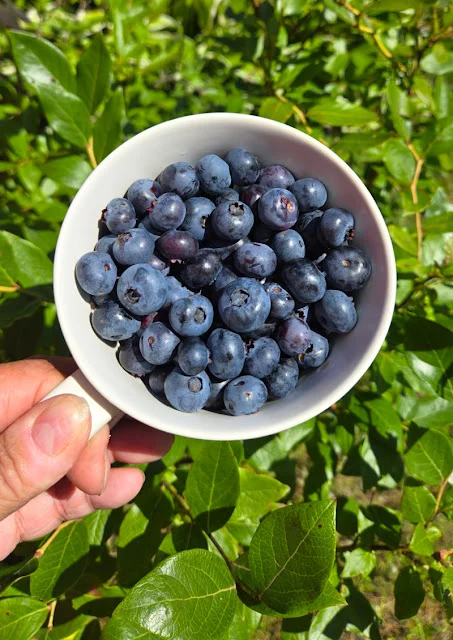
The integration of specialized produce into the diets of backyard poultry has become a subject of increased focus among avian nutritionists and small-scale agriculturalists. Among the various supplements introduced to domestic flocks, blueberries—botanically known as Vaccinium corymbosum or Vaccinium angustifolium—have emerged as a scientifically supported superfood. While historically relegated to human consumption, the inclusion of these berries in the daily intake of chickens and ducks provides a dense concentration of essential micronutrients that support long-term physiological health and immune resilience.
Nutritional Profile and Biochemical Benefits
The primary utility of blueberries in avian diets lies in their complex phytochemical composition. Unlike conventional grain-based feeds, which provide the foundational caloric and protein requirements for poultry, blueberries serve as a high-density source of essential vitamins and minerals. Analysis indicates that these berries are rich in Vitamin C, which is critical for stress mitigation in birds, particularly during periods of extreme temperature fluctuations. Furthermore, the presence of Vitamin K serves as a vital component for blood coagulation, a physiological necessity for birds prone to minor injuries in free-range environments.

The most notable constituents of the blueberry are its anthocyanins—the flavonoid pigments responsible for the fruit’s deep blue hue. Research into avian metabolism suggests that these compounds function as potent antioxidants, effectively neutralizing free radicals that contribute to oxidative stress and cellular degradation. By reducing systemic inflammation, the regular consumption of anthocyanin-rich foods may enhance cardiovascular function and support the bird’s immune response against common pathogens.
Digestive Health and Prebiotic Function
Modern poultry science increasingly emphasizes the importance of the gut microbiome in overall health. Blueberries contain significant quantities of dietary fiber and natural prebiotics. These compounds provide the necessary substrate for beneficial bacteria within the cecum and gastrointestinal tract to thrive. By fostering a balanced microbiome, the introduction of blueberries can improve nutrient absorption efficiency and inhibit the proliferation of opportunistic, harmful bacteria such as Salmonella or E. coli. This internal stability is reflected in the overall vitality of the flock and the consistency of egg production.
Chronology of Poultry Dietary Research
The transition toward incorporating antioxidant-rich fruits into poultry diets gained momentum in the early 21st century as researchers began looking for natural alternatives to synthetic feed additives.

- 2005–2010: Initial observations by agricultural extension services indicated that backyard flocks with access to diverse plant life, including berry bushes, exhibited fewer incidents of respiratory and digestive distress.
- 2012–2015: Standardized guidelines began to emerge, categorizing "treats" into safe and toxic groups. During this period, organizations like the Fresh Eggs Daily initiative began documenting the long-term observational benefits of integrating specific fruits into managed diets.
- 2018–Present: Clinical interest has shifted toward how specific polyphenols in berries impact egg quality, specifically shell strength and yolk nutritional density. Current data supports the hypothesis that a diet supplemented with antioxidants can lead to higher concentrations of beneficial nutrients in the resulting eggs.
Quantitative Feeding Guidelines
Despite the profound nutritional advantages of blueberries, avian nutritionists emphasize the principle of "dietary balance." The primary caloric intake for a chicken should always be derived from a high-quality, nutritionally balanced commercial feed formulated to meet the specific life-stage requirements of the bird.
Treats, including blueberries, should never constitute more than 10% of a chicken’s total daily caloric intake. For an average-sized hen, this equates to approximately one to two tablespoons of fruit per day. Exceeding this threshold can lead to a caloric imbalance, potentially displacing the intake of essential amino acids and minerals provided by standard feed. Furthermore, while blueberries are generally safe, the size of the fruit can occasionally pose a minor choking hazard to smaller or younger birds. It is recommended that poultry keepers slice larger berries to facilitate easier consumption and digestion.
Comparative Analysis: Native vs. Cultivated Varieties
Small-scale farmers often grapple with the choice between native low-bush blueberries and commercial high-bush varieties. From a nutritional standpoint, the differences are marginal. While wild, low-bush varieties often exhibit a higher concentration of certain secondary metabolites due to the stressors of their native environment, both types offer the same foundational vitamins and minerals. The decision to feed one over the other is largely based on availability and cost-effectiveness rather than a significant disparity in health outcomes for the flock.

Broader Agricultural Implications
The inclusion of nutrient-dense produce like blueberries reflects a broader shift in backyard agriculture toward holistic animal husbandry. By treating the flock as a biological system requiring varied inputs, rather than a production unit requiring only caloric sustenance, keepers can extend the longevity and productivity of their birds.
The integration of these berries serves as a case study in how small-scale agriculturalists can leverage natural, locally available foods to mitigate the reliance on processed supplements. This practice not only enhances the health of the birds but also creates a closed-loop system where, if the keeper grows their own berries, the agricultural process becomes more self-sustaining.
Safety Protocols and Toxic Counterparts
As with any dietary modification, keepers must remain vigilant regarding food safety. While blueberries are highly beneficial, the poultry world is replete with substances that are strictly toxic to chickens. Foods such as raw dried beans, avocado skins, and certain nightshade leaves must be strictly avoided.

Industry experts suggest that keepers maintain a "safe-list" protocol, cross-referencing any new treat with established agricultural databases. The objective is to maximize the health benefits of varied, nutrient-dense additions while minimizing the risk of accidental poisoning. By adhering to the 10% rule and ensuring that all produce is free of pesticides or chemical fertilizers, poultry owners can safely harness the potential of superfoods like blueberries.
Conclusion: A Balanced Approach to Poultry Welfare
The evidence supporting the use of blueberries in chicken diets is compelling, pointing toward measurable improvements in digestive health, immune function, and overall physiological resilience. However, the success of this dietary supplement relies entirely on moderation and the maintenance of a stable, primary nutritional foundation.
As the backyard poultry industry continues to mature, the focus on high-quality, preventative nutrition will likely remain a central theme. The blueberry stands as an exemplar of this trend—a simple, accessible, and highly effective tool for those dedicated to the welfare of their flocks. By treating the addition of such fruits as a calculated nutritional intervention rather than a haphazard indulgence, keepers can ensure their birds thrive in a healthy, biologically appropriate environment.
