
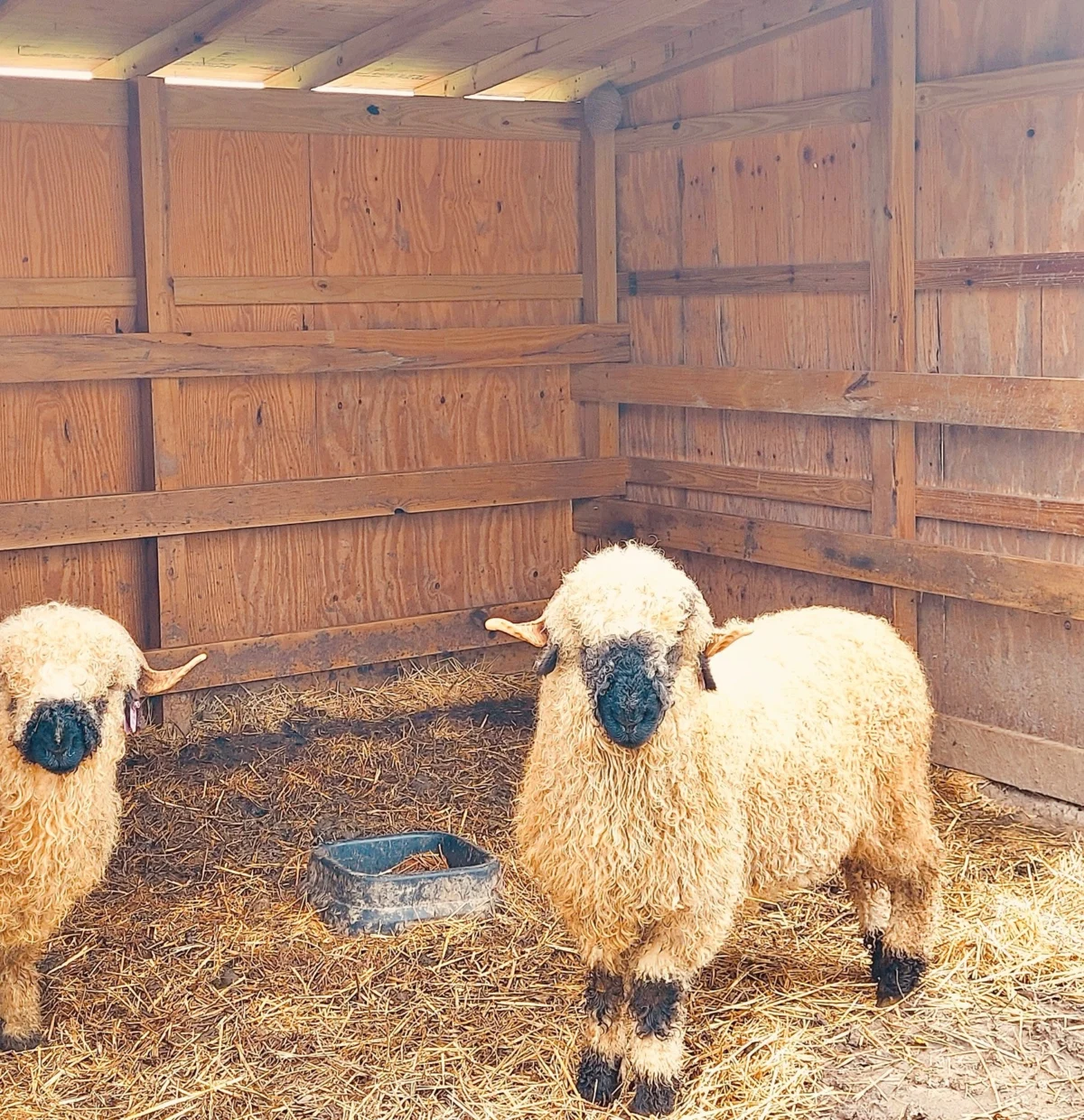
The summer and autumn months are traditionally periods of high activity for stinging insects, but at Aullwood Audubon in Dayton, Ohio, the presence of aggressive wasp populations had reached a tipping point that transcended mere seasonal annoyance. For the farm’s livestock, including two inseparable gelding horses named Butch and Sundance, the presence of wasp nests within their shelters had become a significant welfare concern. This challenge, however, sparked an innovative collaboration between institutional conservationists and a dedicated cohort of local volunteers, resulting in a unique community-led project that utilized handmade, crocheted decoy nests to reclaim habitat for farm animals.
The Genesis of a Seasonal Crisis
The issue first came to the attention of Aullwood staff during a routine morning inspection of the farm’s pastures. Butch and Sundance, known for their strong social bond and reliance on the provided run-in shelter, had begun exhibiting uncharacteristic behavior, notably refusing to enter the structure. Upon investigation, staff identified a large, active wasp nest positioned in close proximity to the shelter’s entrance.
The problem was not limited to the equines. Observations over several weeks confirmed that wasps were swarming in high densities around the farm’s sheep and cattle, causing observable stress and agitation. The presence of these insects forced the animals to remain exposed to the elements, denying them the protective cover necessary during extreme weather fluctuations. Recognizing that standard chemical pesticides were undesirable in a nature-focused environment—where the safety of both the livestock and the local ecosystem is paramount—Aullwood’s conservation team began researching biological and physical deterrents.
Experimental Deterrence: A Comparative Study
Wasps are highly territorial insects; they generally avoid establishing nests within visual range of a pre-existing colony. This behavioral quirk led the conservation team to investigate the efficacy of decoy nests. To determine the most effective material for these decoys, Aullwood staff initiated a controlled, informal comparison test.
They deployed two distinct types of decoys: traditional papier-mâché nests and handmade crocheted versions. Over the subsequent weeks, the team monitored the reaction of local wasp populations to these structures. The data collected was conclusive: the crocheted nests proved significantly more effective at deterring new colony establishment than their paper counterparts. Furthermore, an unexpected benefit emerged during the observation phase. The cattle on the farm, displaying high levels of curiosity, began to interact with the crocheted decoys. These interactions, while initially a test of durability, served as a form of environmental enrichment, providing the animals with tactile stimulation that improved their overall quality of life while confined to the pasture.
Scaling the Solution: The Birth of the Conservation Crafters
While the efficacy of the crocheted decoys was proven, the logistical hurdle of mass production remained. Aullwood’s staff, already tasked with the daily rigors of farm management, animal husbandry, and public education, lacked the labor hours required to produce a sufficient number of these labor-intensive structures.
The solution was found in the strength of the Dayton community. In a move that bridged the gap between traditional conservation efforts and hobbyist craftsmanship, the staff launched a public appeal. By assembling kits containing specific yarn types and detailed patterns, and by repurposing wool sheared from the farm’s own sheep as stuffing, the organization turned a logistical challenge into a community engagement success story. The response was overwhelming; over 50 individuals expressed immediate interest in volunteering their time and skill to assist the farm animals.
Chronology of the Initiative
The project moved through several distinct phases, reflecting a deliberate approach to problem-solving:
- Identification (Early Summer): Staff observed behavioral changes in livestock and identified the root cause—wasp infestation near primary shelters.
- Research & Development (Mid-Summer): A pilot study compared material effectiveness, confirming that crocheted structures outperformed papier-mâché.
- Outreach (Late Summer): A call for "Conservation Crafters" was disseminated via social media, resulting in a surplus of volunteer interest.
- Implementation (Autumn): Volunteers produced dozens of decoys, which were installed by staff across the farm’s livestock structures.
- Assessment (Late Autumn): Final evaluation confirmed that the animals had returned to their shelters and that the rate of new wasp nest construction in those areas had significantly declined.
The Role of Specialized Volunteers
A noteworthy aspect of this project was the participation of the local chapter of "Knitted Knockers," a non-profit organization typically focused on providing handmade prosthetics to breast cancer survivors. By shifting their focus to the needs of the farm, these volunteers demonstrated the versatility of their skill set and the depth of their commitment to community support.
Julia Smith, the Volunteer Coordinator at Aullwood Audubon, emphasized the strategic importance of this collaboration. "This is the kind of project that excites me because it is something people can do in their own homes to support our mission," Smith noted. "We are meeting people where they are. It proves that you do not need to be a stereotypical ‘outdoorsy’ person to support an organization like Audubon."
Analytical Implications: Conservation Through Community
The success of the crochet project provides a case study for future conservation initiatives. By delegating a task that was too time-consuming for staff but easily manageable for the public, Aullwood effectively increased its operational capacity. This model suggests that conservation organizations can achieve greater reach by diversifying the ways in which the public is invited to participate.
The project also highlights a shift in how institutions perceive "environmental work." While traditional conservation focuses on habitat restoration or species monitoring, the Aullwood model validates "micro-conservation"—small-scale, highly localized interventions that improve the well-being of managed animal populations. The fact that only ten volunteers were selected from the initial group of fifty indicates a significant reservoir of untapped volunteer energy that the organization plans to leverage for future projects.
Official Response and Long-Term Outlook
Kary Tollefson, Senior Conservation Associate at Aullwood, expressed the institutional sentiment regarding the project’s impact: "Our animal ambassadors on the farm are loved by everyone, and it is great that the public is able to provide them comfort. Now our animals have a safe place to use their shelters on days when the weather is too hot or too cold. Our volunteers demonstrated how much they care by making these nests by hand, and we cannot thank them enough."
As the project concludes its first full cycle, the implications for the future are clear. Aullwood Audubon is currently reviewing its operational workflows to identify other areas where community-driven, craft-based solutions might improve animal welfare or facility maintenance. The organization has already begun cataloging the participants of the "Conservation Crafters" group, aiming to create a standing volunteer registry for future, similar initiatives.
For those interested in the ongoing efforts at Aullwood, the organization maintains an active engagement strategy. By signing up for the monthly newsletter or following their social media platforms, supporters can receive updates on the status of the farm animals, the progress of the Conservation Crafters, and upcoming opportunities to contribute to the farm’s mission. Prospective volunteers are encouraged to contact the coordinator directly to inquire about future roles, ensuring that the momentum generated by the successful wasp-deterrent campaign is sustained.
This initiative serves as a poignant reminder that the challenges of conservation—whether they involve the restoration of vast wetlands or the protection of a horse’s stall—often require a blend of scientific inquiry and community spirit. By picking up a crochet hook, the citizens of Dayton did more than just craft a decoy; they ensured that the residents of Aullwood Farm could live in peace, further cementing the bond between the community and the land.
