
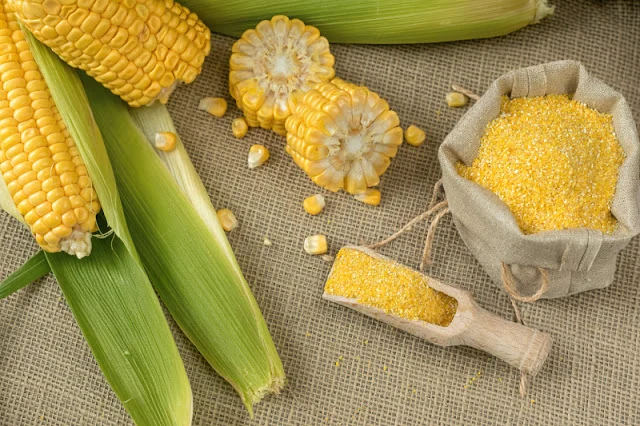
The Physiological Impact of Corn Consumption
The primary point of contention within the poultry-keeping community involves the thermogenic effect of corn digestion. It is a biological fact that the process of digestion generates metabolic heat, a phenomenon known as the thermic effect of food (TEF). In avian species, the digestion of complex carbohydrates and fibrous grains requires significant muscular activity within the gizzard and sustained chemical breakdown in the proventriculus. When chickens consume whole or cracked dried corn, particularly in the evening, their bodies expend energy to process these dense grains overnight.
This metabolic activity results in an internal temperature rise. For a bird facing sub-zero winter temperatures, this internal "furnace" is a critical survival mechanism. However, during periods of extreme heat or summer heatwaves, this same process can exacerbate heat stress. High ambient temperatures already challenge a chicken’s ability to thermoregulate, as they lack sweat glands and must rely on panting (evaporative cooling) and wing spreading to shed heat. Introducing a high-calorie, energy-dense grain like dried corn during these periods can lead to overheating, respiratory distress, and, in severe cases, mortality. Consequently, the timing and form of corn offered to poultry must be adjusted according to the environmental context.

Nutritional Profile and Dietary Composition
Corn, or Zea mays, is a complex carbohydrate that serves as a high-energy fuel source. While it is often criticized for being "empty calories" in a human context, for poultry, it provides essential macronutrients and micronutrients that support various physiological functions. On average, yellow dent corn contains approximately 7% to 9% crude protein, though it is deficient in essential amino acids like lysine and methionine, which is why it must never serve as a primary feed source.
Nutritionally, corn is a significant source of xanthophylls—pigments that contribute to the deep yellow or orange color of egg yolks and the yellow tint in the skin and shanks of certain chicken breeds. It also contains:
- Antioxidants: Including lutein and zeaxanthin, which support ocular health in birds.
- Vitamins: Trace amounts of Vitamin C and B-complex vitamins, including B6, niacin, and folate.
- Minerals: Essential electrolytes and minerals such as potassium, magnesium, and phosphorus.
- Fiber: Necessary for maintaining gut motility and a healthy microbiome.
Despite these benefits, the high starch content of corn makes it a "hot" feed in terms of energy density. If fed in excess of the recommended 10% treat threshold, corn can lead to obesity and more serious conditions such as Fatty Liver Hemorrhagic Syndrome (FLHS), which is a leading cause of non-infectious mortality in backyard laying hens.

Seasonal Feeding Chronology: Winter Management
In the cycle of annual flock management, the transition to late autumn and winter marks the period where dried corn becomes a strategic tool for the poultry keeper. During this time, the caloric requirements of chickens increase significantly as they divert energy from egg production to thermoregulation.
- Late Afternoon Supplementation: Experienced keepers typically provide cracked or whole corn shortly before dusk. This allows the bird to fill its crop before roosting.
- Overnight Digestion: As the bird sleeps, the gizzard slowly grinds the corn, providing a slow-release energy source that maintains body heat throughout the coldest hours of the night.
- Scratch Grain Integration: Corn is the primary ingredient in most commercial "scratch grains." These are designed to encourage natural foraging behavior, which provides mental stimulation and physical exercise during months when free-ranging may be limited by snow or inclement weather.
The consensus among avian nutritionists is that while corn is beneficial in winter, it must remain a supplement to a balanced layer or grower crumble that provides the necessary protein and calcium for skeletal and reproductive health.
Summer Adaptations: The Utility of Fresh Corn
As temperatures rise, the strategy for corn consumption shifts from dried grains to fresh, high-moisture variants. Fresh corn on the cob, frozen kernels, and canned corn offer a different nutritional profile than their dried counterparts. Fresh sweet corn has a water content of approximately 70% to 75%, providing a source of hydration alongside caloric energy.

During summer months, providing chilled or frozen corn can serve as an effective cooling treat. Many keepers report that tossing corn kernels into water basins for ducks or providing hanging corn cobs for chickens encourages activity without the intense thermogenic spike associated with dried grains. Furthermore, the act of picking at a cob provides environmental enrichment, reducing the likelihood of feather pecking and other stress-induced behaviors common in confined flocks during heatwaves.
The Value of Agricultural Byproducts: Silks and Husks
In a move toward sustainable, zero-waste poultry keeping, the utilization of corn byproducts—specifically the husks and silks—has gained traction. Often discarded by humans, these components are highly palatable to poultry, particularly ducks and geese.
Corn silk is notably rich in Vitamin K (phylloquinone), which is essential for the synthesis of proteins involved in blood clotting and bone metabolism. Additionally, corn silk has been studied in various veterinary contexts for its antioxidant and anti-inflammatory properties. It acts as a mild diuretic and can support urinary tract health in birds. The fibrous nature of the husks provides insoluble fiber, which aids in cleaning the digestive tract and ensuring firm droppings. By incorporating these "scraps" into the diet, keepers can provide a diverse array of phytonutrients that are not present in the grain alone.

Broader Implications for Flock Health and Egg Quality
The impact of corn consumption extends beyond the bird’s immediate comfort to the quality of the end product: the egg. The carotenoids found in yellow corn are directly sequestered into the yolk. Consumers and home-producers often equate a vibrant, dark yolk with high nutritional value and bird health. While yolk color is not a definitive indicator of total nutrient density, it does reflect a diet rich in plant-based pigments and antioxidants.
However, the industry-wide shift toward high-corn diets has raised concerns regarding the balance of Omega-3 and Omega-6 fatty acids. Corn is high in Omega-6, and an over-reliance on corn-based treats without access to fresh greens or pasture can result in eggs with a higher pro-inflammatory profile. Therefore, the strategic use of corn should always be balanced with access to forage or high-quality alfalfa to ensure a healthy lipid profile in both the birds and the eggs they produce.
Analysis of Risks and Best Practices
To maximize the benefits of corn while minimizing risks, poultry keepers should adhere to a structured feeding protocol based on the 90/10 rule: 90% of the daily intake should come from a nutritionally complete commercial feed, and 10% can be comprised of treats like corn.

Risk Factors:
- Obesity: Excessive corn intake leads to internal fat deposits, particularly around the reproductive tract, which can cause egg binding or prolapse.
- Mycotoxins: Corn is susceptible to molds (such as Aspergillus) that produce aflatoxins. Proper storage in cool, dry, pest-proof containers is mandatory to prevent toxicosis.
- Nutritional Imbalance: High corn intake can dilute the overall protein and calcium percentage of the diet, leading to poor feather quality and thin eggshells.
Recommended Practices:
- Summer: Limit corn to fresh or frozen forms; avoid feeding dried corn during midday heat.
- Winter: Provide cracked corn in the evening to assist with overnight warmth.
- Waterfowl: Ensure corn is fed in or near water to prevent choking and to assist with the swallowing mechanism unique to ducks and geese.
- Diversity: Rotate corn with other treats like mealworms, sunflower seeds, and leafy greens to provide a broader spectrum of amino acids and minerals.
Conclusion
The debate over corn in poultry diets is less about the grain itself and more about the application of nutritional science to environmental conditions. When used judiciously, corn is an invaluable tool for the backyard farmer, providing essential energy during the winter and hydration-rich enrichment during the summer. By understanding the metabolic processes triggered by different forms of corn, keepers can ensure their flocks remain healthy, productive, and comfortable throughout the changing seasons. The key to successful integration lies in moderation and the recognition that corn is a supplement, not a substitute, for a scientifically formulated avian diet.
