
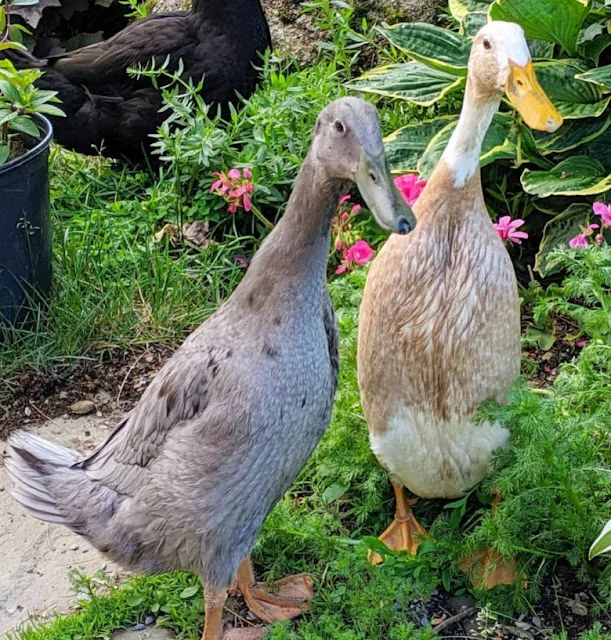
The Indian Runner duck (Anas platyrhynchos domesticus) represents one of the most visually distinct and historically significant breeds within the avian world. Known for an upright posture that mimics the vertical carriage of a human or a penguin, this breed has transitioned from a specialized agricultural tool in Southeast Asia to a prized asset in global organic farming and backyard homesteading. Unlike most domestic ducks that possess a horizontal gait and a heavy, waddling movement, the Indian Runner is defined by its ability to move with surprising speed and agility, a trait that has earned it a unique niche in both historical records and modern ecological management.

Evolutionary History and Ancient Origins
The lineage of the Indian Runner duck is deeply rooted in the maritime and agricultural traditions of Southeast Asia, particularly within the regions now known as Indonesia and Thailand. While most domestic ducks share a common ancestor in the wild Mallard, the Indian Runner represents a significant evolutionary divergence shaped by centuries of selective breeding. Archeological evidence, including stone carvings found on the island of Java, suggests that ducks with this distinctive upright silhouette have existed for at least 2,000 years.
Historically, these ducks were not merely ornamental; they were integral to the "duck-herding" systems of the Indo-Pacific. For centuries, herders would drive large flocks of Runners into harvested rice paddies. The ducks served a dual purpose: they provided natural fertilization through their droppings and acted as a biological pest control mechanism. By consuming snails, slugs, and various insects that threatened rice crops, the ducks allowed farmers to maintain high yields without the need for manual pest removal. This symbiotic relationship necessitated a breed that could travel long distances on foot, leading to the selection of birds with long, straight legs and a vertical spine.

The breed’s introduction to the Western world occurred in the mid-19th century. Maritime trade routes brought the ducks to the United Kingdom around the 1830s. Their arrival sparked immediate interest among naturalists, including Charles Darwin, who famously referred to them as "penguin ducks" due to their unusual silhouette. By the late 1800s, the breed had migrated to the United States, where it was officially recognized by the American Poultry Association’s Standard of Perfection in 1898.
Anatomical Characteristics and Physical Standards
The most striking feature of the Indian Runner is its "bowling pin" or "soda bottle" shape. From a biological standpoint, this posture is the result of the legs being set much further back on the body than in other duck breeds. This pelvic placement, combined with a long, slender neck and a straight back, allows the bird to maintain a vertical carriage of 50 to 80 degrees when moving.

Size and Weight Class
The Indian Runner is categorized as a "lightweight" breed. Adult drakes (males) typically weigh between 3.5 and 5 pounds, while ducks (females) weigh between 3 and 4 pounds. Despite their height—often reaching 26 to 32 inches—their slender build makes them highly aerodynamic on land.
Flightlessness and Locomotion
A defining characteristic of the domestic Indian Runner is its inability to fly. Through generations of domestication, their wings have become proportionally smaller relative to their body size, rendering them incapable of sustained flight. However, they compensate for this lack of aerial mobility with exceptional terrestrial speed. Unlike the heavy Pekin or Muscovy ducks, Runners do not waddle; they run in a smooth, rhythmic fashion, which is essential for their role as foragers.

Color Variations
The breed is noted for having the widest variety of recognized colorations in the domestic duck world. Standardized varieties include:
- Fawn and White: The most traditional and common pattern.
- Blue and Black: Solid, deep tones with a metallic sheen.
- Chocolate and Apricot: Rich, warm hues often sought by exhibitors.
- White and Silver: Often used in commercial egg production due to the cleanliness of the feathers.
- Trout and Mallard: Patterns that closely resemble their wild ancestors but in the upright Runner form.
Agricultural Utility and Economic Impact
In the 21st century, the Indian Runner has experienced a resurgence in popularity due to the global shift toward sustainable and organic agriculture. Their historical role in rice paddies has been modernized and adapted for high-value crops, most notably in the viticulture industry.

Viticulture and Integrated Pest Management (IPM)
Many prominent vineyards, particularly in South Africa and California, have replaced chemical pesticides with "duck patrols." The Vergenoegd Löw Wine Estate in Stellenbosch, South Africa, is perhaps the most famous example, employing a flock of over 1,000 Indian Runners to navigate the vine rows. The ducks are highly effective at hunting the white dune snail, a pest that can devastate grapevines. This method of Integrated Pest Management (IPM) reduces the environmental footprint of the vineyard while providing the ducks with a natural, high-protein diet.
Egg Production Metrics
While often overshadowed by the Khaki Campbell in terms of pure volume, the Indian Runner is a prolific layer. A healthy female can produce between 180 and 250 eggs per year. The eggs are typically medium to large in size, weighing approximately 65 to 70 grams. The shell color ranges from a stark pearlescent white to a pale, minty blue-green. In many culinary circles, Runner duck eggs are prized for their high fat content and larger yolks, which provide superior leavening properties in baking compared to standard chicken eggs.

Behavior, Temperament, and Social Dynamics
Indian Runners are characterized by a high-energy, inquisitive temperament. They are notably more social and active than heavier meat breeds. Their "flocking instinct" is exceptionally strong; when startled, the entire group moves as a single, synchronized unit, a behavior that makes them easier to herd but also more prone to stress if isolated.
Maternal Instincts and Broodiness
One of the trade-offs for their high egg production is a general lack of broodiness. Selective breeding for "worker" ducks focused on consistent laying rather than nesting. Consequently, Indian Runner females rarely sit on their eggs long enough for them to hatch. In modern farming, most Runner ducklings are hatched via mechanical incubators or under "broody" hens of other breeds. However, exceptions exist where specific lines have retained stronger maternal instincts, successfully raising ducklings in a communal flock environment.

Interactions with Other Livestock
The breed is generally docile and non-aggressive, making them suitable companions for other poultry such as chickens or geese. Their active nature can sometimes overwhelm more sedentary breeds, but their lack of territorial aggression ensures a harmonious multi-species environment.
Conservation Status and Future Outlook
The Livestock Conservancy currently lists the Indian Runner duck under the "recovering" category. This status indicates that while the breed is no longer in immediate danger of extinction, its genetic diversity requires careful monitoring. During the mid-20th century, the rise of industrial factory farming favored heavy, fast-growing meat ducks like the Pekin, leading to a decline in the population of specialized breeds like the Runner.

The current "recovering" status is a testament to the efforts of heritage breed enthusiasts and organic farmers who have recognized the bird’s unique genetic value. By maintaining robust populations of Indian Runners, conservationists ensure the survival of traits such as high-mobility foraging and natural pest resistance—traits that may be vital for the future of resilient agricultural systems.
Implications for Sustainable Farming
The continued use and breeding of Indian Runner ducks carry significant implications for the future of agroecology. As the agricultural sector faces increasing pressure to reduce reliance on synthetic fertilizers and toxic pesticides, the "biological service" provided by Runner ducks offers a proven alternative.

- Reduction in Chemical Runoff: By utilizing ducks for pest control, farms can significantly reduce the amount of chemicals that enter local water tables.
- Soil Health Improvement: The constant movement of the ducks provides light aeration of the soil, while their manure offers a slow-release, nitrogen-rich fertilizer.
- Biodiversity Maintenance: Keeping heritage breeds like the Indian Runner active in the food chain prevents the "genetic bottlenecking" associated with modern industrial poultry.
In conclusion, the Indian Runner duck is far more than an avian curiosity. It is a living artifact of Southeast Asian agricultural history that continues to offer practical, sustainable solutions for modern food production. Whether as a specialized pest controller in a commercial vineyard or a prolific egg producer for a small-scale homestead, the breed’s unique combination of vertical agility, social intelligence, and high productivity ensures its place as a cornerstone of diverse agricultural landscapes. As the global community looks toward more ecological methods of farming, the "walking duck" remains a vital ally in the pursuit of environmental balance.
