
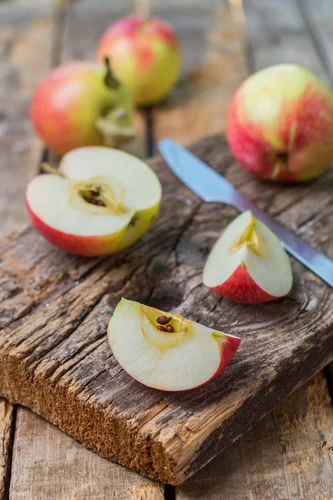
The practice of supplemental feeding in backyard poultry management has seen a significant rise in popularity as homesteaders seek to diversify the diets of their flocks with fresh produce. Among the most common treats provided to Gallus gallus domesticus are apples, which offer a range of vitamins, minerals, and dietary fiber. However, while the flesh of the apple is universally regarded as a healthy supplement, the seeds of the fruit harbor a chemical compound that poses a potential, albeit manageable, risk to avian health. Veterinary experts and poultry nutritionists emphasize that while apples are a valuable addition to a balanced diet, proper preparation—specifically the removal of seeds and cores—is essential to prevent accidental poisoning and ensure the long-term vitality of the flock.
Nutritional Profile and Health Benefits of Apples for Poultry
Apples are a dense source of phytonutrients that can significantly enhance the overall health of chickens when administered in moderation. The primary benefit lies in the fruit’s high fiber content, particularly pectin, a soluble fiber that aids in digestive regularity and supports a healthy gut microbiome. In poultry, a robust digestive system is critical for the efficient absorption of nutrients from their primary feed, which typically consists of grain-based crumbles or pellets.
Beyond fiber, apples contain a variety of antioxidants, including quercetin and catechin. These polyphenolic compounds play a vital role in neutralizing free radicals within the bird’s body, potentially reducing oxidative stress and supporting the immune system. This is particularly important during periods of environmental stress, such as extreme heat or molting seasons. Furthermore, apples provide essential vitamins such as Vitamin C and Vitamin A, along with trace amounts of potassium, which contribute to bone density and eggshell quality.

The high water content of apples also serves as a supplemental hydration source, especially during summer months. When chickens consume crisp, juicy apple slices, they receive a burst of moisture alongside their caloric intake. From a behavioral perspective, apples serve as an enrichment tool. Hanging a whole, cored apple or a large slice from a string—often referred to as "chicken tetherball"—encourages natural foraging behaviors and provides mental stimulation, which can reduce instances of feather pecking and other stress-induced behaviors within the coop.
The Biochemistry of Amygdalin: The Danger Within the Seed
Despite the nutritional advantages of the fruit’s flesh, the seeds of the apple (and other members of the Rosaceae family) contain a cyanogenic glycoside known as amygdalin. This compound is part of the plant’s natural defense mechanism. When the seeds are intact, they are relatively harmless; however, when the seed coat is crushed or chewed, the amygdalin comes into contact with digestive enzymes, specifically beta-glucosidase.
This chemical reaction triggers the release of hydrogen cyanide (HCN), a potent toxin that interferes with cellular respiration. Cyanide acts by inhibiting cytochrome c oxidase, an enzyme in the mitochondrial electron transport chain. By binding to this enzyme, cyanide prevents cells from utilizing oxygen, effectively causing cellular asphyxiation even if oxygen is present in the bloodstream.
In chickens, the risk is amplified by their unique digestive anatomy. Chickens possess a gizzard—a muscular organ that uses grit and small stones to grind food. While a human might swallow an apple seed whole and pass it without breaking the protective hull, a chicken’s gizzard is highly efficient at pulverizing seeds. This mechanical breakdown ensures that any amygdalin present is released and converted into hydrogen cyanide during the digestive process.

Identifying Symptoms of Cyanide Toxicity in Avian Species
The severity of cyanide poisoning in poultry depends on the quantity of seeds consumed and the size and health of the individual bird. While a few seeds are unlikely to be fatal to a healthy adult hen, the cumulative effect or a high dose can lead to rapid physiological decline.
Clinical signs of cyanide poisoning in chickens are often acute and can manifest within minutes to hours of ingestion. One of the most prominent indicators is a change in the color of the comb and wattles. Due to the lack of oxygen utilization in the tissues, the comb may take on a blue or purple hue, a condition known as cyanosis.
Other symptoms include:
- Respiratory Distress: Labored breathing, gasping, or panting as the bird struggles to compensate for the lack of cellular oxygen.
- Neurological Impairment: Loss of coordination, tremors, or an apparent state of confusion.
- Cardiovascular Collapse: Rapid heart rate (tachycardia) followed by a sudden drop in blood pressure and eventual cardiac arrest.
- Lethargy and Coma: In severe cases, the bird may lose consciousness or fall into a coma before death.
Younger birds, such as chicks and pullets, as well as elderly hens or those with underlying respiratory or metabolic conditions, are at a much higher risk. For these vulnerable individuals, even small amounts of hydrogen cyanide can be lethal.

Comparative Risks: Apples vs. Stone Fruits
The presence of cyanogenic glycosides is not unique to apples. Several other fruits commonly found in backyard orchards carry similar risks in their pits or stones. These include:
- Peaches and Nectarines: The large pits contain high concentrations of amygdalin.
- Plums: The kernels within plum pits are toxic if accessed.
- Apricots: Often cited as having some of the highest concentrations of cyanogenic compounds in their pits.
- Cherries: The small pits are easily swallowed and can be crushed by the gizzard.
In a professional agricultural setting, it is recommended that these fruits be pitted before being offered to livestock. While it is true that a chicken is unlikely to break open a hard peach or plum pit with its beak alone, the potential for the pit to be crushed in the gizzard or to cause a physical impaction (choking or crop stasis) makes the removal of pits a necessary safety precaution.
Quantitative Guidelines: The "10 Percent Rule" in Poultry Nutrition
While apples are beneficial, they must be treated as a supplement rather than a primary food source. Poultry nutritionists generally adhere to the "10 percent rule," which dictates that treats and supplements should not exceed 10% of a chicken’s total daily caloric intake.
For an average laying hen, this equates to approximately one to two tablespoons of supplemental food per day. Overfeeding fruit can lead to several nutritional imbalances:

- Protein Dilution: Commercial poultry feed is precisely formulated to provide 16% to 18% protein, which is necessary for egg production. Filling up on low-protein fruit can lead to a drop in egg laying and poor feather quality.
- Sugar Overload: Apples contain natural sugars (fructose). While healthier than processed sugars, an excess can lead to obesity and fatty liver hemorrhagic syndrome in chickens.
- Digestive Upset: Too much fruit can cause watery droppings, leading to hygiene issues in the coop and potential dehydration.
To maximize safety and nutritional value, apples should be cored to remove all seeds and then sliced or chopped into manageable pieces. This not only eliminates the cyanide risk but also makes the fruit easier for the birds to consume without wasting the flesh.
Broader Implications for Backyard Flock Management
The discussion regarding apples and cyanide is part of a larger conversation about the safety of common household foods for poultry. As the "farm-to-table" movement encourages more families to raise their own eggs, the need for accurate veterinary information has grown.
Other foods that are frequently debated in the poultry community include:
- Avocados: Contain persin, a fungicidal toxin that can cause heart distress and respiratory failure in birds.
- Nightshades: The green parts of tomatoes, potatoes, and eggplants contain solanine, which is toxic to chickens.
- Chocolate and Caffeine: Both contain methylxanthines, which are highly toxic to avian metabolism.
- Salty or Moldy Foods: Can lead to salt poisoning or mycotoxin illness.
By understanding the chemical properties of the food they provide, poultry keepers can create a safer environment for their animals. The consensus among agricultural experts is that prevention is the most effective form of flock management. By taking the extra minute to core an apple or pit a peach, owners eliminate a preventable hazard.

Analysis of Agricultural Trends and Expert Recommendations
The resurgence of backyard poultry keeping has prompted agricultural extension offices across the United States to issue updated guidelines on supplemental feeding. Data from the USDA suggests that millions of households now keep small flocks, a trend that accelerated during the 2020 global pandemic. This shift has necessitated a move from industrial-scale poultry science to accessible, home-based animal husbandry education.
Veterinary professionals suggest that a "safety-first" approach to treats is the most sustainable path for small-scale farmers. While the likelihood of a single apple seed killing a bird is statistically low, the cumulative risk and the vulnerability of specific flock members make the risk unnecessary. The enrichment provided by apples—physical activity, varied texture, and nutritional variety—far outweighs the minor effort required to prepare the fruit safely.
In conclusion, apples remain one of the best supplemental treats for chickens, providing essential fiber, antioxidants, and hydration. However, the presence of amygdalin in the seeds serves as a critical reminder of the physiological differences between humans and avian species. By adhering to professional preparation standards—coring the fruit and limiting intake to 10% of the diet—homesteaders can ensure their flocks enjoy the benefits of fresh produce without the hidden dangers of cyanide toxicity. The goal of any supplemental feeding program should be to enhance the health and happiness of the birds, and in the case of apples, a little bit of preparation goes a long way toward achieving that objective.
