

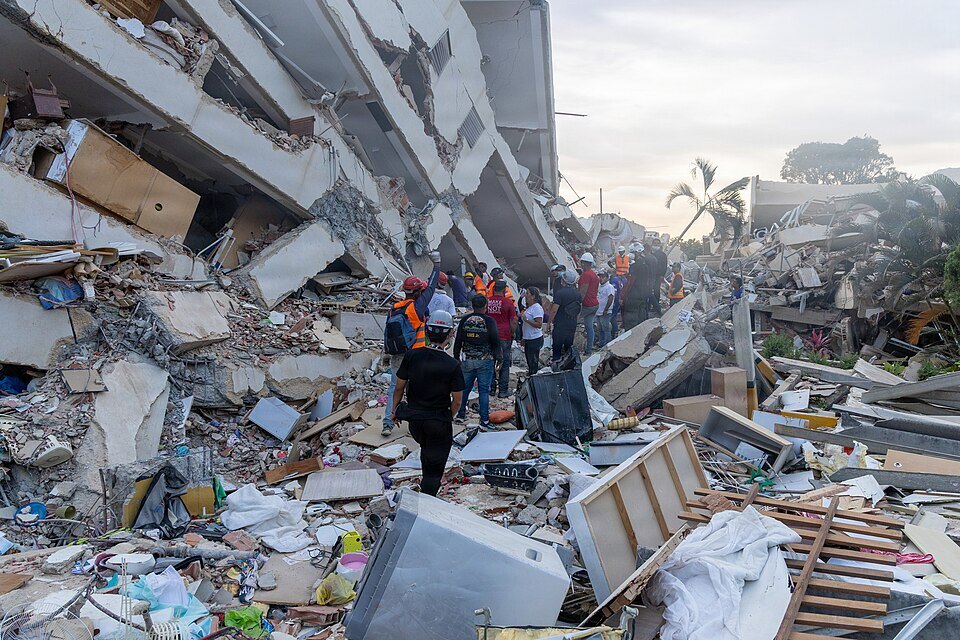
The people of Venezuela conduct a search and rescue in La Guaira, Venezuela, June 28, 2026. The image, captured by Cpl. Daniel Garcia and shared via Wikimedia Commons under a CC BY 4.0 license, depicts rescue workers navigating the debris left by catastrophic earthquakes. While this image captures a moment of profound human effort, it also serves as a backdrop to a story that, against all odds, offered a glimmer of hope amidst overwhelming tragedy: the rescue and eventual loss of a parrot named Victoria, a tale that has resonated globally.
Catastrophic Earthquakes Rock Venezuela
On June 28, 2026, a series of powerful earthquakes, registering magnitudes of 7.2 and 7.5, struck Venezuela, unleashing widespread destruction, particularly in the coastal state of La Guaira and several other regions. The seismic activity caused significant structural damage, leading to a devastating loss of life and displacing millions. Initial reports indicated a grim toll: 4,734 confirmed deaths, over 17,000 individuals injured, and a staggering 6.8 million people directly impacted by the disaster. The scale of the devastation necessitated an immediate and immense humanitarian response, with emergency teams deploying to search for survivors in the rubble. The geological context of Venezuela, a country situated in a seismically active zone, means that while earthquakes are a known risk, the magnitude and intensity of these events were particularly severe, catching many unprepared and overwhelming existing infrastructure and emergency response capabilities.
A Glimmer of Life in the Ruins
Seven days into the relentless search and rescue operations, amidst the grim reality of loss, a remarkable discovery offered a moment of profound relief and inspiration. Rescue workers, meticulously sifting through the remains of a collapsed apartment building in La Guaira, located a parrot clinging to the body of its deceased owner. The bird, initially given the name Panchito by the rescuers, was later identified by those who knew the owner as Victoria. This small, tenacious creature, found amidst unimaginable destruction, immediately became a focal point of the ongoing rescue efforts.
The scene, captured in a widely circulated video, depicted firefighters carefully extracting the visibly distressed parrot. One rescuer’s emotional exclamation, "My boy, you survived! You’re alive, Panchito!", underscored the shared human reaction to finding life against such overwhelming odds. This moment, broadcast globally, provided a much-needed respite from the pervasive sorrow, injecting a powerful narrative of survival and resilience into the international consciousness. The parrot’s unwavering attachment to its owner, refusing to leave his side even in death, spoke volumes about the deep bond they shared. It appeared the owner had made a final, protective gesture towards Victoria, an act that likely contributed to the parrot’s survival in the immediate aftermath of the collapse.
Victoria’s Journey: From Rescue to Veterinary Care
Following her extraction from the debris, Victoria was immediately transported to a local veterinary facility. The animal welfare teams provided her with intensive care, recognizing the emotional and physical trauma she had endured. Parrots, known for their intelligence and complex social behaviors, can experience significant distress and physiological responses to traumatic events. Victoria received round-the-clock attention, a testament to the dedication of the rescue teams and veterinarians who understood that saving all forms of life was a critical component of the recovery process.
Despite the dedicated efforts to stabilize her condition and treat her injuries, the severe trauma sustained during the earthquake ultimately took its toll. On July 5, 2026, Victoria succumbed to her injuries. Her passing, though anticipated given the severity of her condition, was met with widespread sadness.
The Enduring Symbol of Loyalty and Resilience
The story of Victoria, the parrot who clung to her owner amidst the ruins, transcended the immediate tragedy of the Venezuelan earthquakes. Her rescue and subsequent struggle for survival became a powerful metaphor for hope and resilience in the face of overwhelming adversity. The unwavering loyalty displayed by the parrot, refusing to abandon her owner, resonated deeply with people worldwide, highlighting the profound emotional connections that exist between humans and their animal companions.
The commitment of the rescue teams to save Victoria, even after confirming the loss of her owner, underscored a broader principle: the inherent value of all life. This dedication, observed by many, served as a poignant reminder of our shared humanity and the capacity for compassion that emerges during times of crisis. The actions of these tireless search and rescue personnel, working around the clock under immense pressure, provided a stark contrast to the destruction, showcasing the best of human spirit.
Broader Context and Official Responses
The Venezuelan government, in the wake of the earthquakes, declared a national state of emergency and appealed for international aid. United Nations agencies, neighboring countries, and numerous non-governmental organizations quickly mobilized to provide critical assistance, including medical supplies, food, water, and shelter. The challenges of delivering aid to affected regions were exacerbated by damaged infrastructure, including roads and communication networks, requiring innovative logistical solutions.
The International Federation of Red Cross and Red Crescent Societies (IFRC) played a significant role in coordinating relief efforts, focusing on providing immediate humanitarian assistance and supporting long-term recovery initiatives. Search and rescue teams from various countries, including specialized urban search and rescue (USAR) units, deployed to assist Venezuelan authorities in their efforts to locate survivors. The participation of international teams, such as the U.S. Marines mentioned in the image caption, underscored the global solidarity in response to the humanitarian crisis.
Analysis of Implications
The story of Victoria, while a singular event, reflects broader implications of natural disasters on both human and animal populations. The interconnectedness of lives, even across species, is vividly illustrated by the parrot’s survival and her deep bond with her owner. Such events highlight the importance of disaster preparedness plans that consider the needs of all living beings, including companion animals.
Furthermore, the global attention garnered by Victoria’s story demonstrates the power of media and social platforms in disseminating narratives of hope and resilience during times of crisis. These stories, while not diminishing the immense suffering, can foster empathy, encourage continued support for relief efforts, and provide a much-needed sense of shared humanity. The dedication of the rescue teams in prioritizing the welfare of animals, even amidst a large-scale human tragedy, reinforces the ethical imperative to protect all life.
In conclusion, while the earthquakes in Venezuela brought immense sorrow and loss, the story of Victoria, the parrot, stands as a poignant testament to the enduring power of loyalty, the resilience of life, and the profound compassion that can emerge even in the darkest of hours. Her brief but impactful journey served as a beacon of hope, reminding the world of the interconnectedness of all living beings and the unwavering spirit of those who dedicate themselves to saving lives, no matter how small. The memory of Victoria, alongside the heroic efforts of the rescue teams, will undoubtedly remain a significant part of the narrative of this devastating event.
