

The FIFA World Cup, a quadrennial tournament that captivates billions worldwide, transcends its identity as a mere sporting event. It serves as a vibrant tapestry woven with diverse cultures, passionate fan bases, and, unexpectedly, a stunning showcase of the natural world. As national teams vie for the coveted trophy, bird enthusiasts can find themselves equally enthralled by the incredible avian biodiversity, particularly the vibrant parrot populations, that grace many of the participating nations. From the dense rainforests of South America to the urban landscapes of North America, the World Cup provides a unique lens through which to appreciate these remarkable feathered inhabitants.
Brazil: A Parrot Powerhouse Dominates the Avian Arena
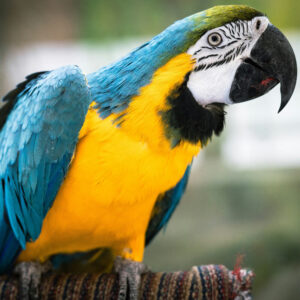
Brazil, a nation synonymous with footballing prowess, also stands as an undisputed titan in the world of parrots. With an astonishing diversity of avian life, Brazil is home to over 80 distinct parrot species, a number that dwarfs many other regions globally. This remarkable abundance includes some of the most iconic and visually stunning parrots, such as the magnificent Hyacinth macaw, its brilliant blue plumage a breathtaking sight. Alongside them are the equally impressive blue-and-gold macaws, their vibrant colors a testament to the richness of the Amazonian ecosystem, and the striking green-winged macaws, a species whose beauty is so revered that it graces the reverse side of Brazil’s 10-real banknote. This national recognition underscores the deep cultural and ecological significance of parrots in Brazil, making it one of the few countries worldwide to feature these birds on its currency.
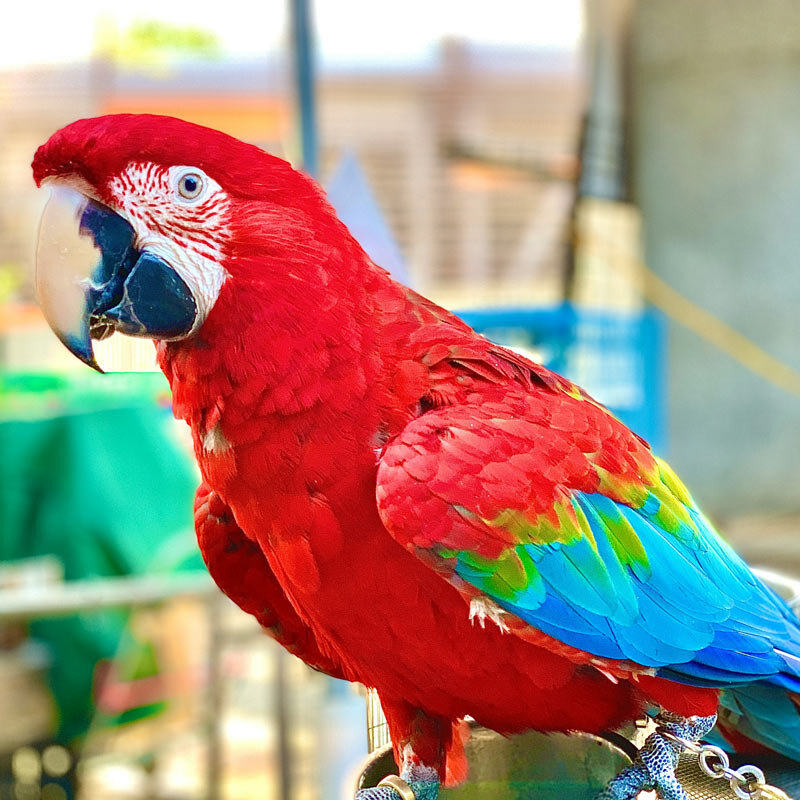
Beyond these celebrated giants, Brazil’s parrot population encompasses a vast array of other species, including various mini-macaws, the diverse family of Amazon parrots, and a multitude of colorful conures. This rich biodiversity is not just a natural wonder; it’s a vital component of Brazil’s ecological health, playing crucial roles in seed dispersal and maintaining forest ecosystems. The sheer number and variety of parrot species present in Brazil solidify its position as a global leader in parrot diversity, mirroring its dominance on the football pitch.
Mexico: A Land of Macaws and Amazons Amidst Football Fever
Mexico, a proud host of the FIFA World Cup, boasts a varied and captivating array of parrot species, a direct result of its diverse geographical landscapes. The country’s varied habitats, ranging from tropical forests to arid regions, provide sanctuary for over 20 native parrot and parakeet species. Among these, several hold a special distinction, being endemic to Mexico, meaning they are found nowhere else on Earth. The Mexican parrotlet and the maroon-fronted conure are prime examples of this unique avian heritage, their survival intrinsically linked to the preservation of their Mexican homes.
The nation is also a vital stronghold for larger parrot species, including the formidable military macaw, known for its intelligence and striking coloration. Furthermore, Mexico is home to numerous species of Amazon parrots, such as the vibrant double-yellowheaded Amazon and the equally captivating yellow-naped Amazon. For World Cup visitors to Mexico, the experience of attending a match can be amplified by the potential to witness these wild parrots soaring overhead in many regions of the country, a natural spectacle that adds another layer of richness to the cultural immersion. The presence of these birds serves as a constant reminder of Mexico’s invaluable natural heritage, even as the nation celebrates its passion for football.
Paraguay: A Small Nation with a Grand Avian Legacy
Often referred to as the "Heart of South America" due to its central geographical location, Paraguay might be small in size, but it punches well above its weight when it comes to parrot diversity. This landlocked nation has recorded an impressive 24 distinct parrot species within its borders, a remarkable feat for its geographical footprint. This avian richness spans a wide spectrum, from the smaller, more agile parakeets and conures to the larger, more commanding macaws and Amazon parrots.
Paraguay’s significant parrot population makes it a crucial stronghold for many South American parrot species, playing a vital role in their conservation. For birdwatchers and conservationists, Paraguay represents a fascinating destination, offering a chance to observe a remarkable array of these intelligent and colorful birds in their natural habitats. The country’s commitment to preserving these species is as important as its sporting ambitions, highlighting the interconnectedness of culture, nature, and national pride.
Australia: The Cockatoo and Cockatiel Epicenter
While kangaroos and koalas often steal the spotlight, Australia is undeniably one of the world’s premier parrot nations. This continent-down-under is a veritable haven for an astonishing array of parrot species, many of which have become beloved figures in the global pet bird community. Iconic species like the Sulphur-crested Cockatoo, with its striking crest, and the vibrant Galah cockatoo are ubiquitous in many Australian landscapes.

Australia is also the ancestral home of the cockatiel, one of the most popular pet birds worldwide, known for its distinctive head crest and gentle nature. The small, energetic budgerigar, or budgie, another global favorite, also hails from the Australian continent. Complementing these are the rainbow lorikeets, a dazzling spectacle of color, and the elegant Eclectus parrots, with their striking sexual dimorphism in plumage. For both football aficionados and bird lovers, Australia presents a compelling dual attraction, showcasing both athletic talent and an unparalleled diversity of parrot species that have captivated hearts and homes across the globe.
New Zealand: The Realm of the Inquisitive Kea
New Zealand, an island nation renowned for its dramatic landscapes and unique wildlife, is also home to some of the world’s most intriguing parrots. Unlike their tropical counterparts, New Zealand’s parrots have evolved in isolation, developing distinctive characteristics. The star of this avian show is undoubtedly the Kea, a mountain-dwelling parrot celebrated for its exceptional intelligence, insatiable curiosity, and playful, often mischievous, nature. These birds are known to investigate anything left unattended, from unattended backpacks to vehicles, providing endless amusement and sometimes consternation for visitors.
Beyond the Kea, New Zealand is also the custodian of the Kākā and the critically endangered Kākāpō. The Kākā is a large, forest-dwelling parrot with a distinctive Maori name, while the Kākāpō is a unique, nocturnal, flightless parrot, facing immense conservation challenges. The presence of these unique species underscores New Zealand’s commitment to preserving its endemic avian treasures, a testament to the nation’s dedication to its natural heritage.

Argentina: Cliff-Nesting Parrots and Footballing Giants
Argentina, a nation etched in football history with multiple World Cup triumphs, also harbors a remarkable avian population, particularly when it comes to parrots. While the roar of the crowd at a football match is a familiar sound, bird enthusiasts might be more captivated by the raucous calls of the monk parakeet, also known as the Quaker parrot, a species that has established wild populations in various parts of the world, including Argentina.
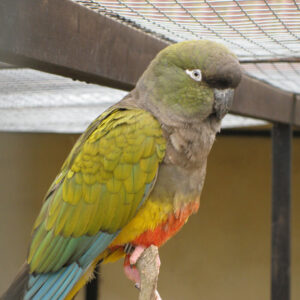
However, the true avian marvel of Argentina is the Patagonian conure, also referred to as the burrowing parrot. This striking conure species holds the distinction of nesting in massive cliffside colonies across Patagonia, an extraordinary natural phenomenon. One such colony is recognized as the world’s largest parrot breeding site, a testament to the sheer scale of avian activity in this region. Argentina’s parrots, with their impressive diversity and unique nesting habits, offer a compelling parallel to the nation’s fervent passion for football, showcasing a rich tapestry of natural and sporting heritage.
Colombia: Macaws and More in a Biodiversity Hotspot
Colombia, a nation that has consistently produced world-class football talent, is also a global epicenter of biodiversity, and its parrot population is no exception. For visitors attending the FIFA World Cup, Colombia’s avian wonders offer a spectacle as impressive as its footballing prowess. The country is home to a breathtaking array of parrots, including the vividly colored scarlet macaw, the striking blue-and-gold macaw, and the powerful military macaw.

Adding to this avian grandeur is the rare Indigo-winged parrot, a species once thought to be extinct before its rediscovery in the Colombian Andes. This remarkable find underscores the hidden natural treasures that still exist within Colombia’s vast ecosystems. The country’s diverse habitats also support numerous species of Amazon parrots, conures, parakeets, and Pionus parrots, all thriving in the varied landscapes. Colombia’s parrots are a living testament to the nation’s unparalleled natural wealth, a vibrant complement to its celebrated athletic achievements.
Democratic Republic of the Congo: The Iconic Grey Parrot’s Domain
The Democratic Republic of the Congo, a nation with a rich cultural heritage and a burgeoning football presence, holds a special place in the hearts of bird enthusiasts worldwide as the homeland of the iconic Congo African Grey Parrot. This highly intelligent and celebrated parrot species is renowned for its remarkable ability to mimic human speech and its sophisticated cognitive skills, making it a unique ambassador for avian intelligence.
Beyond the Grey Parrot, the vast, ancient forests of the Congo Basin provide crucial habitat for other notable African parrot species. These include the vibrant Red-fronted parrot, the adaptable Meyer’s parrot, and several species of lovebirds, known for their social bonds. The Democratic Republic of the Congo’s role in providing essential habitat for these remarkable birds highlights its significance in global avian conservation. For football-loving fans visiting from or supporting this nation, the World Cup offers an opportunity to celebrate both its athletic talent and the extraordinary parrots that inhabit its verdant landscapes.
United States: Urban Parrot Flocks Add a Tropical Flair to Host Cities
As a co-host of the FIFA World Cup, the United States presents a unique avian encounter for international visitors. While not native to all regions, parrots have established thriving wild populations in several urban areas, particularly in California, Texas, and Florida. These populations are primarily the result of escaped and released pet birds over several decades, leading to the establishment of self-sustaining flocks that have become an integral part of the urban soundscape.
Visitors to World Cup host cities might be surprised to hear the raucous calls and witness the aerial displays of species such as Monk parakeets, Red-crowned Amazons, Nanday conures, and Mitred conures. These colorful birds, often seen flying over parks and neighborhoods, offer an unexpected glimpse of tropical avian life in non-tropical environments. While these parrots are introduced species, their presence adds a vibrant and unexpected dimension to the urban experience, providing international visitors with a memorable and somewhat exotic encounter during their World Cup travels.
Canada: A Northern Frontier for Feral Parrots?
Canada, sharing hosting duties for the FIFA World Cup, might not be the first place one associates with parrots. However, the phenomenon of feral parrot populations is not exclusive to warmer climates. Monk parrots, also known as Quaker parakeets, have demonstrated a remarkable ability to adapt to cooler environments. These tenacious birds were first recorded breeding in Montreal, Canada, in 1987, suggesting that even in more northerly regions, small, established feral populations can take root.
While the extent of feral parrot populations in Canada is not as widespread as in the United States, their presence, even in isolated pockets, highlights the adaptability of these species and the potential for unexpected avian encounters. For World Cup visitors to Canada, the possibility of spotting these hardy parrots adds a touch of the unexpected to their journey, showcasing the resilience of nature even in less conventional habitats.
