

The allure of a well-stocked bird feeder is undeniable, offering a delightful window into the avian world for backyard enthusiasts. However, this avian buffet can quickly become a magnet for a broader spectrum of wildlife, leading to frustration for those dedicated to feeding their feathered friends. From the acrobatic prowess of squirrels to the voracious appetites of certain bird species, managing these "critter solutions" is a common challenge faced by bird feeding hobbyists across North America. This article explores effective strategies and scientifically backed approaches to ensure your feeders remain a sanctuary for your preferred birds, rather than a free-for-all for uninvited guests.
The Persistent Problem: Wildlife’s Appetite for Convenience
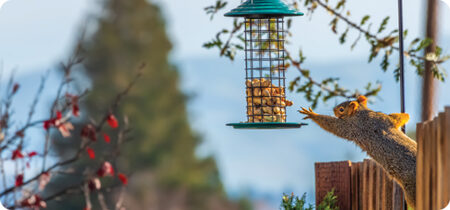
Backyard bird feeders, by their very nature, represent an abundant and easily accessible food source. For wildlife, particularly squirrels and certain bird species, these feeders are not merely occasional treats but vital opportunities to supplement their diet, especially during seasons when natural food sources may be scarce. Squirrels, renowned for their intelligence and agility, often view bird feeders as elaborate puzzle boxes to be solved, consuming significant quantities of seed and potentially damaging the feeders themselves. Similarly, flocks of certain bird species, often referred to as "nuisance birds," can quickly deplete a feeder’s contents, preventing smaller, more desirable birds from accessing the food.
The economic implications of persistent critter raids can be substantial. High-quality bird seed represents an ongoing investment for hobbyists. When this seed is rapidly consumed by non-target species, the cost-effectiveness of maintaining feeders diminishes. Furthermore, the physical damage that determined squirrels can inflict on feeders, poles, and even surrounding structures adds another layer of expense and frustration. Beyond the financial burden, there is an intrinsic desire among bird feeding enthusiasts to observe and support a diverse range of avian species, a goal often thwarted by the overconsumption by a few.
Strategic Defenses Against Squirrels: Engineering Exclusion
Squirrels present a multifaceted challenge due to their physical capabilities and problem-solving skills. Fortunately, the market and DIY communities have developed a range of effective deterrents. One of the most widely recommended solutions involves the strategic use of baffles.
Pole-Mounted Feeder Protection: The Stovepipe Baffle
For feeders mounted on poles, the "stovepipe" baffle is a highly effective barrier. This smooth, typically metal cylinder, when installed correctly, creates an impassable obstacle for squirrels. The key to its efficacy lies in its placement and the surrounding environment. The baffle should be positioned on the pole at a minimum height of five feet from the ground. Crucially, the pole system itself must be situated at least ten feet away from any potential launchpad for a squirrel – this includes trees, bushes, fences, or any other elevated surface from which a squirrel can jump directly onto the feeder. This isolation principle ensures that even if a squirrel attempts a long-distance leap, it will land on the baffle, not the feeder. When implemented correctly, this setup effectively transforms any pole-mounted feeder into a squirrel-proof system. The smooth surface of the metal cylinder prevents squirrels from gaining any purchase, and its diameter is typically wide enough to deter them from reaching around it.

Hanging Feeder Safeguards: The Domed Baffle
Feeders that are hung from branches or hooks, accessible only from above, require a different approach. In these scenarios, a domed squirrel baffle is the preferred solution. This type of baffle is installed above the feeder, typically on the hanging chain or wire. Its wide, parabolic shape acts as a physical impediment, preventing squirrels from climbing down the suspension mechanism to reach the feeder. The dome effectively creates a ceiling that squirrels cannot penetrate, forcing them to abandon their attempts. The effectiveness of this method relies on the size of the dome relative to the feeder and the overall clearance around the feeder. A sufficiently large dome, positioned directly above the feeder, will intercept any descending squirrel.
The "Cage" Approach: Creating a Bird-Only Access Zone
Another ingenious solution for both squirrels and larger "nuisance" birds involves retrofitting feeders with exclusion cages. These cages, available in various mesh sizes and configurations, essentially create a protective barrier around the feeder. The mesh is designed to be large enough to allow smaller birds, such as finches, chickadees, and nuthatches, to pass through and access the food, while being too small for squirrels or larger birds like starlings and grackles to enter. These cages can be purchased as standalone units to be placed around existing feeders or may be integrated into the feeder’s design. The selection of the correct mesh size is critical; too large, and it may not deter smaller mammals; too small, and it could impede the access of desirable small birds.
Addressing "Nuisance" Birds: A Shift in Feeding Strategy
The term "nuisance birds" is subjective but generally refers to species that congregate at feeders in such numbers that they overwhelm the available food supply and prevent smaller, more sought-after birds from feeding. Identifying these species in a specific locale is the first step. Common culprits often include European Starlings, House Sparrows, and Grackles, depending on the region. The strategy here shifts from physical exclusion to influencing behavior through the careful selection of food and feeder types.
Food Choices: The Power of Seed Selection
The type of bird seed offered can significantly influence which birds visit your feeders. Certain seeds are universally appealing to a wide range of birds, while others are more selective.
- Seeds to Avoid: Cracked corn and millet are highly attractive to many larger, often less desired bird species, as well as rodents. Their inclusion in seed mixes can inadvertently encourage the very visitors you wish to discourage.
- Beneficial Seeds: Safflower seed is a notable exception. While it may not be favored by all "nuisance" birds, it is generally well-tolerated by many desirable backyard species, such as cardinals, finches, and chickadees. Blackbirds, in particular, tend to avoid safflower, making it an excellent choice for creating a more selective feeding environment.
- Suet Strategies: Pure suet cakes, without added fillers like corn or cracked corn, are often overlooked by starlings. This makes them an excellent attractant for woodpeckers, nuthatches, and other cavity-nesting birds that are often a primary focus for backyard bird enthusiasts. Blended suet cakes, however, can be more appealing to a broader range of species, including starlings.
Feeder Design: Engineering for Small Birds
The physical design of the feeder itself can also play a crucial role in dictating which birds can access the food.
- Weight-Sensitive Feeders: These innovative feeders feature feeding ports that are designed to close under a certain weight. When a heavier bird or squirrel lands on the perch or feeder, the ports automatically shut off, preventing access. Lighter birds, such as finches and chickadees, can then feed unimpeded. The calibration of these feeders is essential to ensure they are sensitive enough to exclude larger birds but not so sensitive that they close for desirable species.
- Cage Feeders: As mentioned previously, feeders enclosed within a wire mesh cage are highly effective. The mesh size determines which birds can enter. Smaller mesh sizes allow access only for smaller birds, effectively excluding larger species and squirrels.
- Perch Length and Design: Feeders with short perches, or even those with no perches at all, can naturally favor smaller birds. Larger birds often require longer, more substantial perches to comfortably feed. By limiting perch length, you make it more challenging for larger species to maintain their balance and feed efficiently.
Expert Guidance and Ongoing Support
Navigating the complexities of backyard bird feeding and critter management can be a learning process. Organizations like Wild Birds Unlimited have dedicated themselves to providing resources and expertise to hobbyists. Their Certified Bird Feeding Specialists are trained to offer personalized advice, helping individuals select the most appropriate feeders, baffles, and food types for their specific backyard environment and the species they wish to attract.

Furthermore, educational initiatives, such as podcasts like "Nature Centered," delve into specific topics, offering in-depth discussions and practical tips. Episode 76, for instance, specifically addresses "Critter Solutions," providing listeners with valuable insights and actionable strategies. This commitment to education empowers individuals to not only solve immediate problems but also to foster a deeper understanding of backyard ecology.
The Broader Implications: Coexistence and Conservation
The efforts to manage wildlife at bird feeders extend beyond individual backyard satisfaction. By understanding and implementing effective "critter solutions," individuals contribute to a more balanced backyard ecosystem. Providing appropriate food sources for desired species while deterring overconsumption by others can help support local bird populations. This mindful approach to backyard feeding can also indirectly contribute to broader conservation efforts by fostering a greater appreciation for avian life and its ecological role.
The ongoing challenge of sharing our backyards with wildlife requires a thoughtful and informed approach. By employing strategic defenses against squirrels, carefully selecting food and feeder types to favor preferred bird species, and leveraging the expertise of dedicated organizations, individuals can transform their bird feeding experiences from a source of frustration into a rewarding and sustainable hobby. The goal is not to eliminate wildlife from our yards, but to create a harmonious coexistence where the beauty of nature can be enjoyed by all, with a little help from effective, science-based solutions.
