

As October ushers in the crisp air and vibrant foliage, a unique perspective emerges from the world of ornithology and backyard enthusiasts: the festive spirit of Halloween can indeed extend to our feathered companions. Wild Birds Unlimited (WBU), a leading retailer and advocate for backyard bird feeding, has highlighted how the themes of "trick" and "treat" can be creatively applied to enhance the well-being and attraction of birds to our outdoor spaces. This approach offers a delightful way for nature lovers to engage with wildlife during a season often dominated by human-centric celebrations.
The Art of Enticing Birds: Tricks for the Backyard
While the adage "it’s not nice to fool Mother Nature" holds wisdom, certain "tricks" can effectively and ethically draw birds to a garden, transforming it into a vibrant avian haven. One of the most potent attractants is the sound of moving water. Installing a water feature equipped with a circulating pump or a dripper can act as an irresistible siren song to birds. This auditory cue signals a potential source of hydration and safety, prompting them to investigate the area. Once birds discover the presence of water, they are more likely to notice and explore other amenities, such as feeders, that may be nearby.
Introducing new feeders or food types can sometimes be a slow process for birds to adopt. They are creatures of habit and may take considerable time to discover and trust novel offerings. A simple yet effective "trick" to expedite this discovery phase involves strategically scattering a small amount of the new seeds on top of or directly beneath the feeder. Birds primarily rely on visual cues to locate their food sources. By providing this initial visual prompt, they can more readily identify and access the new provisions, accelerating their acceptance of the feeder and its contents. This method capitalizes on their natural foraging behaviors, making the transition smoother and faster.
Beyond Candy Corn: Culinary Delights for Avian Appetites
When considering "treats" for birds, the focus shifts entirely from sugary confections to nutrient-rich, species-specific foods that go beyond the standard seed and suet offerings. These special provisions can significantly diversify a bird’s diet and attract a broader range of species, including those less commonly seen at traditional feeders.
One highly acclaimed "treat" in this category is Jim’s Birdacious® Bark Butter®. This product has gained significant popularity for its remarkable ability to attract a wide array of bird species, including those that do not typically frequent feeders. Its appeal lies in its unique formulation – a spreadable suet that mimics natural food sources. Reports indicate that Bark Butter has been instrumental in attracting over 155 different bird species across North America. To further enhance its effectiveness, a similar "trick" to the one used for seeds can be employed: smearing a small amount of Bark Butter onto the bark of a favorite tree or onto the top of an active feeder. This allows birds to easily discover and access this highly palatable and nutritious food.
Peanuts, in various forms, are another exceptional treat that provides a significant energy boost and is favored by a diverse avian population. Woodpeckers, titmice, nuthatches, chickadees, and bushtits are among the many species that readily consume peanuts. Their high fat and protein content makes them an ideal food source, particularly during colder months when energy expenditure is higher.
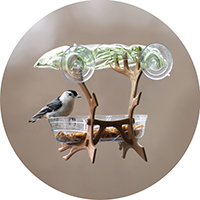
Jays, in particular, exhibit a notable fondness for peanuts, especially those still in their shells. Their instinctual behavior involves caching food for later consumption. A single jay can bury as many as 100 peanuts in a single day, quickly emptying a tray feeder. Observing these birds making repeated trips to feeders and flying off to bury their bounty, sometimes up to six miles away, offers a fascinating glimpse into their survival strategies. This caching behavior not only benefits the birds but also inadvertently aids in seed dispersal, contributing to the natural propagation of trees and plants.
Other specialized treats cater to the specific dietary needs and preferences of different bird groups. For instance, mealworms are a highly sought-after delicacy for bluebirds. Orioles, with their more specialized diets, thrive on fruits and nectar. Similarly, hummingbirds, with their rapid metabolisms, require a constant supply of nectar to fuel their energetic flights. Offering these specialized foods can significantly enhance the appeal of a backyard to these particular species, fostering greater biodiversity.
The Science Behind Bird Attraction
The strategies employed to attract birds are rooted in understanding their natural behaviors, sensory perceptions, and dietary requirements. Birds locate food through a combination of sight, sound, and smell, though sight is often the primary sense for detecting food sources.
Visual Cues: The bright colors of feeders, the distinct shapes of food items like peanuts, and the contrast of seeds against natural backdrops all play a role in attracting birds. The strategic placement of food, whether scattered on the ground or presented in feeders, also leverages their visual scanning patterns.
Auditory Cues: The gentle sound of moving water is particularly effective. It mimics natural streams and waterfalls, which are known to be vital resources for birds. This sound not only attracts them but also signals a safe and potentially resource-rich environment.
Olfactory Cues: While less dominant than sight and sound for many species, scent can play a role, particularly with certain types of foods like suet blends or the specific aromas released by decaying fruits.
Dietary Preferences: Different bird species have evolved to consume specific types of food. Understanding these preferences is crucial for effective feeding. For example, the high fat content of suet is essential for many insectivorous birds, especially during winter. The protein and energy found in nuts and seeds are vital for a broader range of species. Specialized foods like nectar cater to the unique metabolic demands of hummingbirds.

Historical Context and Evolution of Bird Feeding
The practice of intentionally feeding wild birds has a rich history, evolving from simple acts of charity to a sophisticated hobby supported by dedicated retailers and scientific research.
Early Practices: In early human history, communities likely interacted with birds in a less structured manner, perhaps leaving out scraps of food. However, the deliberate act of creating feeding stations likely emerged with more settled agricultural societies.
Victorian Era and Beyond: During the Victorian era in Europe and North America, a surge of interest in nature and ornithology led to the popularization of bird feeding. Elaborate bird tables and feeders were designed, reflecting a growing appreciation for avian life and a desire to observe them closely. This period also saw early attempts to provide food during harsh winter conditions.
Mid-20th Century and the Rise of Specialty Products: Following World War II, advancements in food science and manufacturing led to the development of more specialized birdseed mixes and feeders. The concept of the backyard bird feeding hobby began to solidify, with increasing availability of products designed specifically for this purpose.
The Rise of Wild Birds Unlimited: In 1981, Wild Birds Unlimited was founded with a mission to bring people and nature together. It pioneered the concept of specialty stores dedicated exclusively to backyard bird feeding and nature-related products, offering expert advice and a curated selection of high-quality foods and feeders. This marked a significant step in professionalizing and expanding the hobby, moving beyond general pet stores or hardware suppliers. WBU’s emphasis on education and community engagement has been instrumental in fostering a deeper understanding and appreciation for avian ecology among the general public.
Data and Implications of Backyard Bird Feeding
The impact of backyard bird feeding extends beyond the simple enjoyment of observing wildlife. It plays a crucial role in supporting bird populations, particularly in urban and suburban environments where natural food sources can be scarce.
Population Support: Studies have shown that backyard feeding can significantly supplement the diets of many bird species, especially during critical periods like winter breeding seasons. This supplemental feeding can lead to increased survival rates and reproductive success. For example, research published in journals like The Auk: Ornithological Advances has documented the positive impact of feeders on populations of species like the Northern Cardinal and the Black-capped Chickadee.
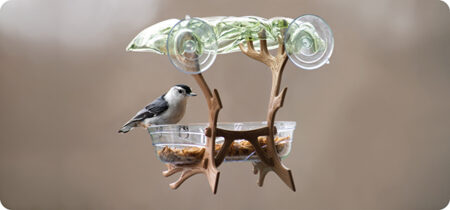
Biodiversity: By offering a variety of food types and feeders, backyard enthusiasts can attract a greater diversity of bird species to their areas. This can contribute to local biodiversity and provide valuable opportunities for ecological study and citizen science initiatives.
Economic Impact: The backyard bird feeding industry represents a substantial economic sector, encompassing manufacturers of feeders, food, and related accessories, as well as retailers. This industry supports numerous jobs and generates significant revenue.
Educational Value: Backyard bird feeding provides an accessible and engaging platform for educating people of all ages about nature, ecology, and conservation. It fosters an appreciation for the natural world and can inspire greater environmental stewardship.
Challenges and Considerations: While beneficial, backyard bird feeding also presents challenges. Improperly maintained feeders can spread diseases among birds. The selection of appropriate food is also critical, as some human foods can be harmful. Furthermore, the impact of feeders on predator-prey dynamics and competition among bird species is an ongoing area of scientific research.
Official Responses and Expert Opinions
Ornithological organizations and wildlife agencies generally support responsible bird feeding as a means to enhance bird conservation and public engagement with nature.
National Audubon Society: The National Audubon Society emphasizes the importance of providing clean water and appropriate food sources, particularly during harsh weather. They advocate for responsible feeding practices, including regular cleaning of feeders to prevent disease transmission.
Cornell Lab of Ornithology: The Cornell Lab of Ornithology, a leading research institution in ornithology, offers extensive resources and guidance on bird feeding. Their initiatives, such as Project FeederWatch, engage citizen scientists in monitoring bird populations at feeders, providing valuable data for research. They stress the importance of using high-quality, species-appropriate foods and maintaining feeder hygiene.

Wild Birds Unlimited (WBU) Perspective: As a prominent advocate for backyard bird feeding, WBU consistently promotes best practices. Their educational materials and staff expertise focus on providing the right food for the right birds, using well-designed feeders that minimize waste and disease, and creating attractive habitats that support a thriving avian ecosystem. Their podcast, "Nature Centered," often features episodes dedicated to providing expert advice on bird feeding and conservation. For instance, the episode "Treats for Birds. No Tricks." directly addresses the topic of offering specialized foods that benefit birds, reinforcing the idea that thoughtful provision is key.
Broader Impact and Implications
The concept of extending Halloween traditions to include bird treats has broader implications for how we interact with the natural world. It encourages a shift in perspective, moving beyond anthropocentric celebrations to acknowledge and engage with the lives of other species.
Conservation Awareness: By making bird feeding a more integrated part of seasonal celebrations, it can elevate awareness of bird conservation issues. When people invest time and resources into feeding birds, they often develop a deeper connection to them and become more invested in their well-being and the preservation of their habitats.
Community Engagement: The practice can foster a sense of community among nature enthusiasts. Sharing tips, observations, and even participating in local bird-watching events can strengthen social bonds and create shared experiences centered around nature.
Educational Opportunities: This creative approach provides fertile ground for educational initiatives, particularly for children. Teaching them about the dietary needs of different birds and how to provide appropriate "treats" can instill valuable lessons about ecology, empathy, and responsible environmental stewardship from a young age. It transforms a simple act of feeding into a learning opportunity.
Sustainable Practices: The emphasis on high-quality, species-appropriate foods and clean feeding practices promoted by organizations like WBU underscores the importance of sustainability in backyard habitats. This approach aims to support bird populations without causing unintended harm, aligning with broader ecological conservation goals.
In conclusion, the notion that "Trick or Treat is for the Birds" is more than just a playful Halloween-themed observation. It represents a thoughtful integration of human seasonal celebrations with the ecological needs of avian populations. By employing clever "tricks" to attract them and offering nutritious "treats" that go beyond the ordinary, individuals can significantly enhance the well-being of their local bird communities. This practice not only enriches the lives of the birds but also deepens the connection between people and the natural world, fostering a greater appreciation for the delicate balance of our ecosystems. As the autumn leaves fall, the opportunity to offer a genuine treat to our feathered neighbors provides a rewarding and impactful way to celebrate the season.
