

September signifies a profound shift in the natural world, a period of extensive transition for both the environment and its inhabitants. As the vibrant hues of summer begin to fade, replaced by the crisp air of autumn, a complex series of biological and ecological adaptations takes place, particularly for avian populations. This period, characterized by molting and the preparatory stages for migration, demands significant energy and nutrient resources from birds, presenting them with a critical challenge for survival. Wild Birds Unlimited (WBU), a prominent retailer and advocate for backyard bird feeding, highlights this crucial time of year as an opportunity for concerned citizens to actively support local bird populations.
The Autumnal Transition: A Multi-Faceted Phenomenon
The onset of September marks a discernible change across North America. Family vacations conclude, the fervor of summer sports yields to the strategic plays of autumn leagues, and educational institutions pivot their focus to the academic year and its associated extracurricular pursuits. Concurrently, the external environment undergoes a visible transformation. The oppressive heat of summer dissipates, giving way to cooler, more invigorating breezes. Flora shifts from blooming flowers to the development of seeds and berries, essential food sources for many species. Even the steadfast green of deciduous trees begins its annual, albeit brief, spectacle of vibrant color.
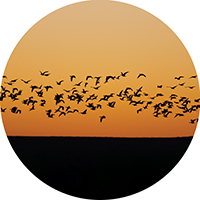
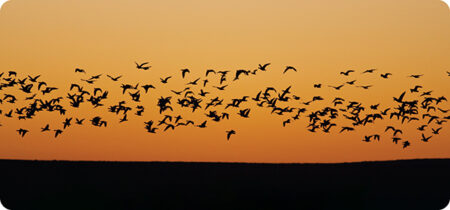
This widespread environmental shift directly impacts the lives of birds. For many species, the intensive demands of parental care during the spring and summer breeding seasons have receded. As daylight hours shorten, a biological imperative known as migratory restlessness, or Zugunruhe, begins to stir within them. This innate drive signals the impending need to embark on long journeys to warmer climates for the winter. Simultaneously, many adult birds are undergoing a physiological process known as molting. This is the natural shedding and regrowth of feathers, a crucial undertaking that replaces worn and damaged plumage with fresh, efficient new feathers. These new feathers are paramount for maintaining optimal flight capabilities, essential for long-distance migration, and for providing crucial insulation against the dropping temperatures and increased moisture of the approaching winter months.
The Nutritional Demands of Molting and Migration
The biological processes of molting and migration, while vital for survival, impose immense physiological stresses on birds. The period of molting, which can extend from four to eight weeks depending on the species and the extent of feather replacement, requires an extraordinary influx of protein. Feathers are primarily composed of keratin, a complex protein, and the synthesis of an entirely new set of feathers places a significant metabolic burden on the bird. This heightened demand for protein is coupled with an equally critical need for sufficient energy to fuel this extensive physiological reconstruction.
Migration represents an even more demanding undertaking. Many migratory bird species prepare for their arduous journeys by accumulating substantial fat reserves. This process, known as hyperphagia, involves gorging on high-energy food sources to effectively double their body weight in a matter of weeks. These stored fat reserves serve as the primary fuel source for the sustained flight required to traverse hundreds or even thousands of miles. The drive to acquire and store this essential energy is often all-consuming, dominating a bird’s behavior and daily activities.
Given the critical nature of these processes, the availability of appropriate nutrition becomes paramount. For birds undergoing molting, the quality and quantity of protein directly influence the health and efficacy of their new feathers. For migratory species, insufficient fat reserves can lead to exhaustion, increased vulnerability to predation, and a reduced likelihood of successfully reaching their wintering grounds. In essence, the ability to obtain and metabolize foods rich in fats and proteins is not merely a preference but an absolute priority for survival during this transitional period. Failure to meet these nutritional demands can have dire consequences, impacting reproductive success in the following year and, in severe cases, leading to mortality.
An Opportunity for Backyard Conservation
The confluence of these demanding biological processes presents a unique opportunity for individuals who maintain backyard bird feeders. By understanding the nutritional needs of birds during this critical transition, people can actively contribute to their well-being and survival. Providing readily accessible, high-energy food sources can significantly alleviate the burden on local bird populations, allowing them to more effectively navigate the challenges of molting and prepare for migration.

Wild Birds Unlimited emphasizes that the most beneficial foods to offer during this time are those that are calorically dense and rich in the essential nutrients birds require. This includes:
- High-Fat Seeds: Sunflower seeds, particularly black oil sunflower seeds, are a perennial favorite and a rich source of fat and protein. Sunflower chips, with their hulls removed, offer a more easily accessible and less messy option for many birds.
- Peanuts: Both shelled and unshelled peanuts are highly valued for their high fat and protein content. They are a particular favorite of many species, including jays, woodpeckers, and chickadees.
- Nyjer® Seed: While often associated with finches, Nyjer® seed, a small, oil-rich seed, provides essential energy for a variety of smaller birds.
- Suet: Rendered animal fat, often supplemented with seeds, nuts, and fruits, is an exceptionally high-energy food source. Suet is particularly beneficial during cooler weather as it remains solid and provides essential fats for insulation and energy. Different suet formulations cater to specific dietary needs and can attract a wider array of species.
- Bark Butter® Products: These unique, spreadable food offerings are formulated with a blend of suet, peanut butter, and corn for added appeal and nutritional value. They can be spread on trees, feeders, or platforms, attracting a diverse range of insect-eating and seed-eating birds.
By strategically offering these nutrient-rich foods, individuals can transform their backyards into vital refueling stations for migrating birds and essential sources of sustenance for resident species undergoing their annual molt. This proactive approach not only supports avian health but also enhances the bird-watching experience for the feeder, providing opportunities to observe a greater diversity and abundance of birds throughout the autumn season.
Expert Insights and Further Resources
The importance of understanding bird nutrition and behavior during seasonal transitions is a recurring theme in ornithological research and bird conservation efforts. Experts consistently emphasize that providing supplemental food during these critical periods can have a significant positive impact on bird populations, particularly in increasingly fragmented or urbanized landscapes where natural food sources may be limited.
John James Audubon, the renowned ornithologist and artist, documented extensive observations of bird behavior and migration patterns in the early 19th century, noting the critical importance of food availability for migratory success. Modern ornithological studies continue to build upon this foundation, utilizing advanced tracking technologies and nutritional analysis to better understand the intricate demands placed upon migratory birds. For instance, research published in journals like The Auk: Ornithological Advances frequently details the metabolic rates, fat accumulation strategies, and dietary requirements of various migratory species, underscoring the vital role of readily available, high-calorie food sources.
Wild Birds Unlimited, through its commitment to educating the public, offers a wealth of resources for those seeking to deepen their understanding of backyard bird feeding and conservation. Their "Nature Centered" podcast provides an accessible platform for engaging with experts on a variety of topics related to birds and nature. The episode titled "Basics of Transition" specifically delves into the intricacies of autumn bird behavior, offering practical advice on how to best support birds during this crucial time. Hosted by knowledgeable individuals, these episodes aim to empower individuals with the information needed to create welcoming and beneficial habitats for avian visitors.
Broader Implications for Backyard Ecosystems
The act of providing supplemental nutrition for birds during their seasonal transitions extends beyond individual bird well-being; it contributes to the health and resilience of the entire backyard ecosystem. A thriving bird population can play a role in natural pest control, as many species consume insects that can be detrimental to gardens and landscapes. Furthermore, observing birds in their natural behaviors, such as feeding and interacting with their environment, fosters a deeper connection with nature and promotes greater environmental stewardship.
The presence of a diverse array of birds attracted to feeders can also serve as an indicator of local environmental health. A decline in bird species or numbers can signal broader ecological issues, prompting further investigation and conservation efforts. Therefore, actively participating in backyard bird feeding during critical transition periods can be viewed as a small but significant contribution to broader conservation goals.
The consistent support provided by backyard feeders can also influence the migratory routes and survival rates of certain bird populations. While natural selection remains a powerful force, supplemental feeding can buffer against extreme environmental fluctuations and resource scarcity, potentially enabling more individuals to complete their migrations and reproduce successfully. This, in turn, can contribute to the long-term viability of bird species that face increasing pressures from habitat loss and climate change.

The concept of "citizen science" also benefits from engaged backyard bird feeders. Many organizations encourage the public to report bird sightings, contributing valuable data to long-term ecological monitoring projects. By creating attractive habitats, individuals not only support birds but also become active participants in scientific research, aiding ornithologists in understanding population trends, migratory patterns, and the overall health of bird communities across vast geographical areas.
In conclusion, the autumn transition is a period of profound biological significance for birds, marked by the demanding processes of molting and migration. The need for high-fat and high-protein food sources is paramount for their survival and reproductive success. Backyard bird feeding, when undertaken with an understanding of these specific nutritional requirements, offers a tangible and impactful way for individuals to contribute to avian well-being. By providing appropriate feeders and food, people can witness the remarkable adaptations of nature firsthand, fostering a deeper appreciation for the avian world and playing a vital role in supporting bird populations through their most challenging seasonal shifts.
