
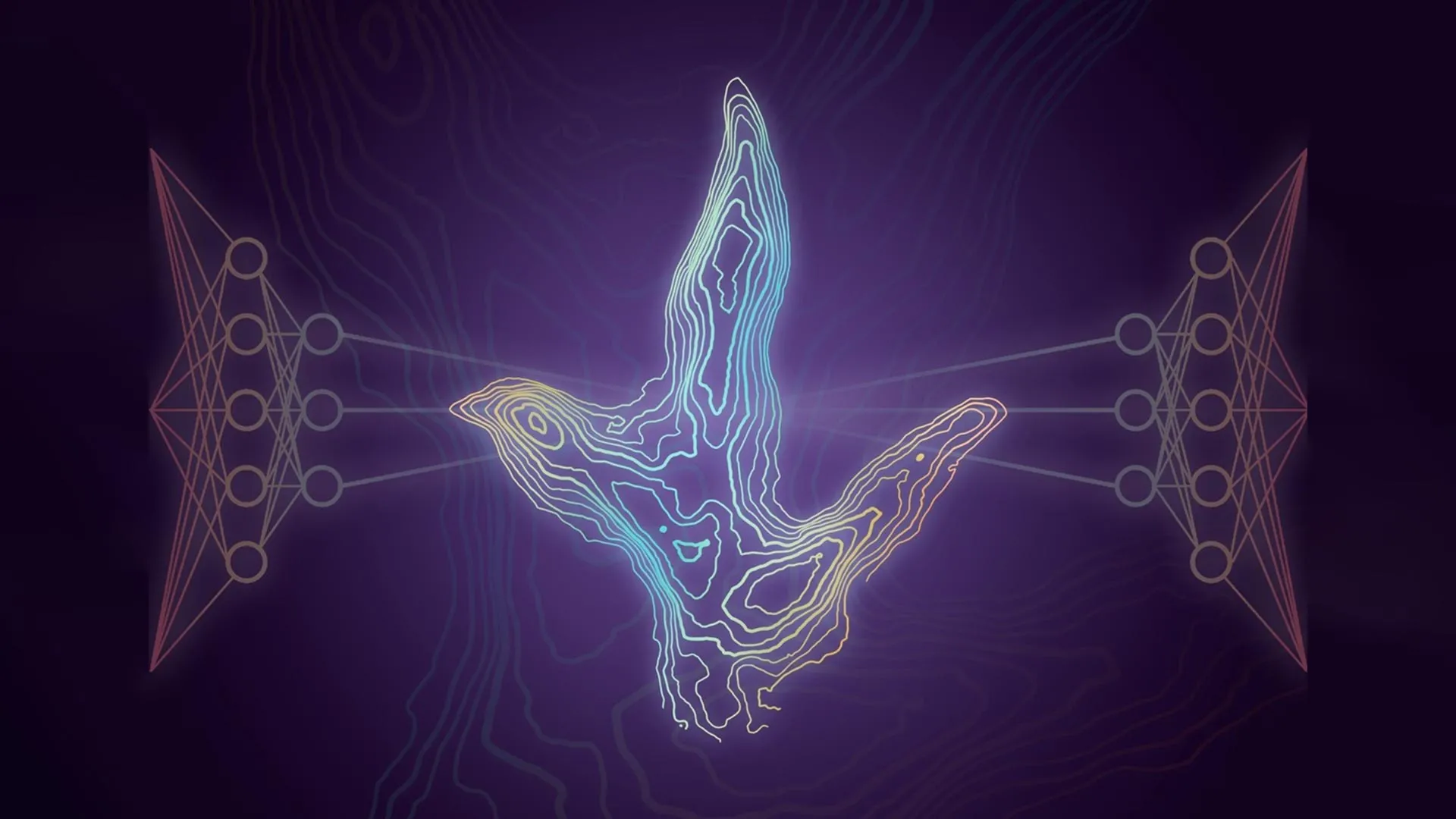
A groundbreaking application, powered by sophisticated artificial intelligence, is empowering both seasoned scientists and the general public with an unprecedented tool to accurately identify dinosaur footprints dating back millions of years, according to a recent seminal study. This innovative technology is poised to unravel the long-standing mysteries surrounding fossilized tracks that have historically posed significant interpretive challenges for paleontological researchers worldwide.
For generations, the specialized field of ichnology—the study of fossil tracks and traces—has been central to understanding prehistoric ecosystems. Paleontologists have meticulously examined ancient footprints, often engaging in vigorous debates over the identity of the creatures that left them. The morphology of these tracks can suggest a variety of creators: some might belong to formidable carnivorous theropods, others to colossal herbivorous sauropods or ornithischians, and a subset has even sparked intriguing questions about the involvement of early avian species. The ambiguity inherent in interpreting these fossilized impressions has meant that definitive identification often remained elusive, relying heavily on expert intuition and comparative anatomy, which itself could be subject to individual interpretation.
The Enduring Challenge of Ichnology
Fossilized dinosaur footprints, known as ichnites, are invaluable scientific assets. Unlike skeletal remains, which provide insights into anatomy, ichnites offer direct evidence of locomotion, gait, speed, posture, behavior, and even social interactions within ancient environments. They can reveal patterns of migration, predator-prey dynamics, and the precise substrates upon which dinosaurs walked. However, the very process of their preservation introduces significant complexities. A footprint’s original shape can be drastically altered by various taphonomic factors—the processes that affect organic remains from the time of death until fossilization. These include the type and consistency of the sediment, the amount of water present, the angle and force of impact, subsequent erosion, and compaction over geological timescales. A perfectly clear impression can be distorted into a vague, unrecognizable smudge, leading to considerable scientific uncertainty and frequent disagreements among experts.
Previous research efforts to systematize footprint identification often involved creating manually curated computer databases. These systems attempted to link specific footprint characteristics to known dinosaur species based on morphological analyses. While a step forward from purely qualitative assessment, this traditional approach presented its own set of limitations. Experts noted that such methods could introduce subjective bias, particularly when dealing with incomplete, poorly preserved, or ambiguous tracks where the identity of the trackmaker was uncertain or highly disputed. The sheer volume of fossil discoveries and the subtle variations within species’ footprints further underscored the need for a more objective, scalable, and robust analytical framework.
Introducing DinoTracker: AI at the Forefront of Paleontology
The advent of the new DinoTracker app marks a paradigm shift in ichnological research. Designed for accessibility and scientific rigor, the application allows researchers, amateur enthusiasts, and citizen scientists to simply upload a photograph or even a detailed drawing of a footprint using a standard mobile phone. The app then performs an immediate, sophisticated analysis, evaluating the intricate shape, structure, and depth characteristics of the track to estimate with high probability which type of dinosaur likely created it. This instant analysis capability significantly accelerates the initial identification process, freeing up valuable expert time for deeper interpretative work.
To address the inherent challenges of footprint analysis and move beyond traditional, potentially biased methods, a dedicated research team embarked on an ambitious project. Led by the Helmholtz-Zentrum research center in Berlin, in close collaboration with the University of Edinburgh, the team developed a suite of advanced algorithms rooted in machine learning and deep neural networks. These algorithms enable computers to autonomously learn and discern the subtle, yet critical, variations in dinosaur footprint shapes, effectively overcoming the limitations of human-coded rules and subjective interpretations.
The AI’s Training Regimen: Blending Reality with Simulation
The robustness of any AI system hinges on the quality and quantity of its training data. For DinoTracker, the AI system underwent an extensive and multifaceted training regimen. It was initially trained on a substantial dataset of nearly 2,000 real fossil footprints, meticulously collected and documented from various geological periods and locations around the globe. Crucially, this real-world data was augmented by millions of additional simulated examples. This innovative approach of incorporating simulated tracks was a key methodological advancement. These synthetic variations were meticulously designed to reflect the realistic changes and distortions that occur as footprints are preserved over time, such as varying degrees of compression, edge displacement, erosion, and differences in substrate consistency. By exposing the AI to this vast array of both pristine and heavily altered tracks, the system developed an unparalleled ability to recognize underlying patterns and identify trackmakers even from imperfect or degraded fossil evidence. This synthetic data effectively taught the AI to account for the noise and ambiguity introduced by taphonomic processes, a critical hurdle for traditional methods.
What the AI Detects: Eight Key Morphological Features
During its extensive training, the AI model independently identified and learned to recognize eight key morphological features that are diagnostic for distinguishing one footprint type from another. These critical indicators included metrics such as the degree of toe spread (how far apart the digits splayed), the precise positioning of the heel relative to the overall foot structure, the total surface area that contacted the ground during locomotion, and the distribution of weight across different parts of the foot. For instance, a bipedal theropod’s track might exhibit a narrow toe spread and distinct claw marks, while a large quadrupedal sauropod’s track would show a much broader, rounder impression with less defined digits, reflecting its massive, pillar-like limbs. By analyzing these complex combinations of features, the system could construct a highly nuanced profile for each track.
Once these variations were meticulously cataloged and understood by the system, the AI could then compare newly input footprints with its vast internal database of known fossil examples. This comparative analysis allowed it to predict with remarkable accuracy which dinosaur group or, in some cases, specific species, most likely made the tracks. When subjected to rigorous evaluation against classifications made by highly experienced human experts, the algorithm demonstrated an impressive accuracy rate, matching expert classifications approximately 90 percent of the time. This high level of concordance was maintained even for species whose tracks are widely considered controversial or exceptionally difficult to identify, underscoring the AI’s exceptional discriminatory power and objectivity.
Unexpected Revelations: Pushing Back Avian Evolution
One of the most profound and surprising findings generated by the DinoTracker AI system emerged from its analysis of tracks more than 200 million years old, dating back to the Triassic period. The AI detected striking and consistent similarities between some of these ancient dinosaur footprints and the feet of both extinct early bird species and modern avian forms. This discovery carries immense implications for understanding the timeline of avian evolution.
For decades, the prevailing scientific consensus, largely based on skeletal fossil evidence like Archaeopteryx, placed the definitive emergence of birds in the Late Jurassic period, around 150 million years ago. However, the AI’s analysis suggests a radical re-evaluation of this timeline, potentially indicating that birds, or at least bird-like anatomical features, emerged tens of millions of years earlier than previously believed. The research team presented two primary hypotheses to account for this unexpected linkage: either early birds indeed arose much earlier than the current fossil record suggests, or some early dinosaur lineages happened to evolve foot anatomies that closely resembled avian feet through a process of convergent evolution—where unrelated species develop similar traits independently due to similar environmental pressures or lifestyles. This finding is expected to ignite significant debate and further investigation within the fields of paleontology and evolutionary biology, potentially prompting a re-examination of other early dinosaur tracks for similar avian resemblances.
Unlocking the Secrets of Scotland’s Ancient Lagoons
Beyond its impact on avian evolution, the AI system also provided crucial new insights into a set of mysterious footprints discovered on the remote Isle of Skye in Scotland. These enigmatic tracks were formed approximately 170 million years ago, during the Middle Jurassic period, on the muddy edge of an ancient lagoon. For decades, these particular footprints have puzzled scientists due to their unique morphology and the challenges of definitively attributing them to a known dinosaur group.
The AI’s detailed analysis offered a compelling solution, suggesting that these footprints may have been left by some of the oldest known relatives of duck-billed dinosaurs, scientifically known as hadrosaurs or hadrosauroids. Hadrosaurs were a highly successful group of herbivorous dinosaurs, particularly abundant during the Late Cretaceous. Finding evidence of their early relatives on Skye would be a monumental discovery, making these among the earliest examples of this globally distributed and ecologically significant dinosaur group identified anywhere in the world. This finding not only clarifies a long-standing paleontological mystery but also provides valuable data on the early geographic distribution and evolutionary diversification of hadrosaurs, offering a glimpse into their origins and early dispersal patterns across the ancient supercontinent of Laurasia.
Democratizing Paleontology: A Call to Citizen Scientists
The researchers behind DinoTracker emphasize that this technology transcends purely academic applications. It creates unprecedented opportunities to study how dinosaurs lived, moved, and interacted across the Earth’s ancient landscapes. Furthermore, it significantly broadens public engagement in scientific discovery by allowing enthusiasts and citizen scientists to actively participate in fossil research. The app’s user-friendly interface means that anyone with a mobile phone and an interest in dinosaurs can contribute to the vast, ongoing effort of documenting and understanding prehistoric life. This democratization of paleontology could lead to the identification of new track sites, the re-evaluation of previously known but ambiguous tracks, and the creation of a global, crowdsourced database of ichnites, accelerating the pace of discovery.
The comprehensive study detailing the development and findings of the DinoTracker AI was formally published in the esteemed scientific journal PNAS (Proceedings of the National Academy of Sciences). The project received vital financial support from several key institutions, including the innovations pool of the BMBF-Project: Data-X, the Helmholtz project ROCK-IT, the Helmholtz-AI project NorMImag, the National Geographic Society, and the Leverhulme Trust, underscoring the collaborative and interdisciplinary nature of modern scientific research.
Dr. Gregor Hartmann of the Helmholtz-Zentrum research center, a leading figure in the project, articulated the core benefit of the new system: "Our method provides an unbiased way to recognize variation in footprints and test hypotheses about their makers. It’s an excellent tool for research, education, and even fieldwork, offering a consistent and objective baseline for analysis that was previously difficult to achieve."
Echoing this sentiment, Professor Steve Brusatte, Personal Chair of Palaeontology and Evolution at the School of GeoSciences at the University of Edinburgh, highlighted the historical significance of this breakthrough. "This study is an exciting contribution for paleontology and an objective, data-driven way to classify dinosaur footprints—something that has stumped experts for over a century," Professor Brusatte stated. He further emphasized the profound implications of the AI’s findings: "It opens up exciting new possibilities for understanding how these incredible animals lived and moved, and when major groups like birds first evolved. This computer network might have identified the world’s oldest birds, which I think is a fantastic and fruitful use for AI, pushing the boundaries of what we thought we knew about dinosaur evolution." The DinoTracker app represents not just a technological advancement, but a pivotal moment for ichnology, promising to reshape our understanding of dinosaur biology and the grand narrative of life on Earth.
