

The avian care community is abuzz with anticipation for an upcoming webinar scheduled for Friday, July 24, 2026, at 12:00 p.m. PDT. Titled "When Love Backfires – How Good Intentions Can Create Behavior Problems," the online event promises to delve into the complex dynamics of human-parrot relationships and address how well-meaning actions by caregivers can inadvertently lead to undesirable behavioral issues in their feathered companions. Renowned parrot behavior consultant Pamela Clark, CPBC, will lead the session, offering evidence-based insights and practical strategies to foster healthier, more fulfilling bonds with pet parrots.
The webinar, hosted by Lafeber Company, a prominent entity in avian nutrition and care, aims to equip parrot owners with the knowledge to identify and modify caregiving practices that may be contributing to common behavioral challenges. These challenges can range from persistent screaming and biting to territorial aggression, excessive reliance on the owner (pair-bonding), and other indicators of emotional or behavioral distress. Clark’s expertise, honed through extensive experience and study in avian behavior, will be central to dissecting these intricate issues.
Understanding the Paradox of Affection in Parrot Care
At its core, the webinar addresses a fundamental paradox in pet ownership: the desire to lavish affection and provide comfort can, when misapplied, create an environment where negative behaviors flourish. Parrot caregivers, driven by a deep affection for their birds, often engage in actions they believe are beneficial. However, Clark’s forthcoming presentation will highlight how certain common expressions of love, such as sharing favorite human foods, granting unrestricted access to the owner’s shoulder, encouraging constant physical closeness (cuddling), or overlooking seemingly innocuous behaviors like a parrot exploring dark, enclosed spaces, can have unintended consequences.
These seemingly harmless gestures can, in fact, disrupt a parrot’s natural instincts and social structures. For instance, excessive feeding of rich human foods, while intended as a treat, can lead to dietary imbalances and health issues, which in turn can manifest as behavioral problems. Unlimited shoulder access, often seen as a sign of trust and closeness, can inadvertently foster territoriality and a sense of ownership over the owner, leading to aggression when that perceived territory is threatened. Similarly, constant cuddling can overstimulate a parrot and create an unhealthy dependence, hindering their ability to self-soothe and develop independence. The exploration of dark spaces, a natural foraging and nesting instinct for many parrot species, can be misconstrued as a fear or anxiety-driven behavior, leading owners to discourage it when it might simply be an innate need.
The Science Behind Behavioral Development in Parrots
Pamela Clark’s session is rooted in a scientific understanding of avian psychology and behavior. Parrots, highly intelligent and social creatures, possess complex emotional and cognitive needs. Their behavior is shaped by a combination of genetic predispositions, environmental influences, and learned experiences. Understanding these factors is crucial for caregivers.
The webinar will likely draw upon principles of operant and classical conditioning, illustrating how specific actions by owners can either reinforce or extinguish particular behaviors in their parrots. For example, inadvertently rewarding a parrot for screaming by offering attention or a treat can inadvertently strengthen the screaming behavior. Conversely, understanding positive reinforcement techniques can be used to encourage desired behaviors.
Clark’s background as a Certified Parrot Behavior Consultant (CPBC) signifies a commitment to ethical and science-based approaches to animal behavior modification. This certification, recognized within the avian community, indicates a rigorous understanding of animal welfare and effective, humane training methods. Her approach emphasizes observation, analysis, and the implementation of strategies that respect the parrot’s natural instincts and psychological well-being.
Timeline and Background of the Webinar
The announcement of this webinar comes at a time when the pet parrot population continues to grow, and with it, the prevalence of behavioral challenges. Over the past two decades, there has been a significant increase in research and awareness surrounding the cognitive and emotional lives of parrots. Organizations like Lafeber Company have been at the forefront of disseminating this knowledge to pet owners.
The decision to host a webinar on this specific topic is likely a response to the consistent demand from parrot owners seeking guidance on managing common behavioral issues. Lafeber Company has a history of providing educational resources, including articles, guides, and webinars, aimed at improving the health and welfare of pet birds. Their commitment to evidence-based information makes them a trusted source for avian enthusiasts.
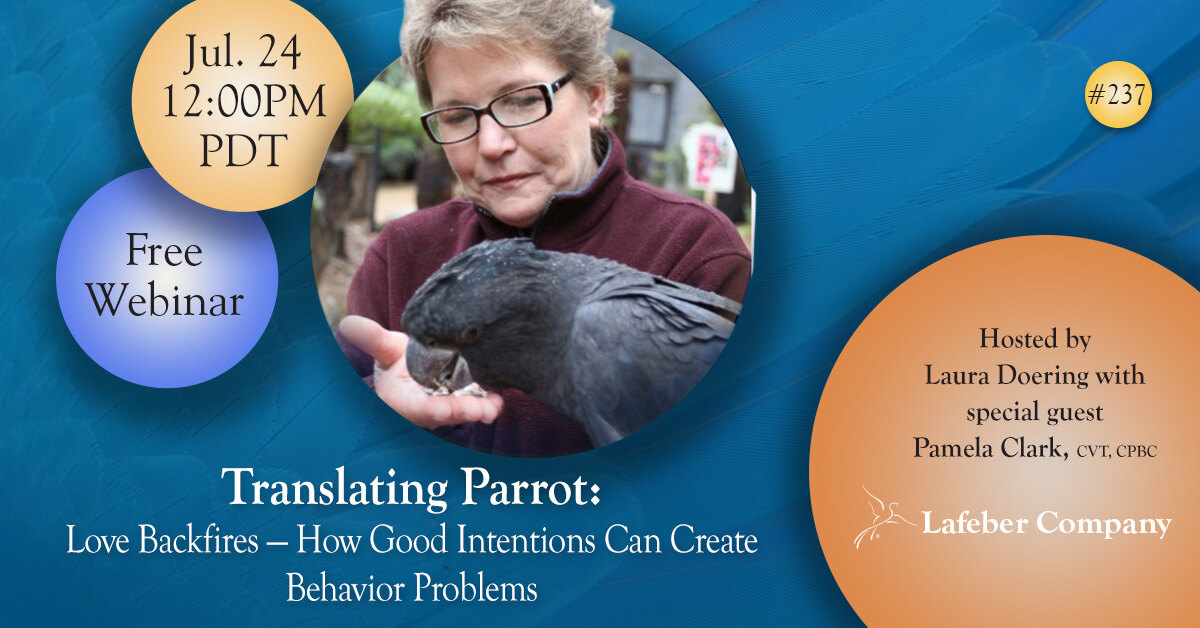
The chosen date, Friday, July 24, 2026, places the event strategically within the typical week, allowing individuals to access the information during a period when they might have more flexibility. The time, 12:00 p.m. PDT, is also a consideration for a broad audience, though attendees are encouraged to utilize the provided time zone converter to ensure they are aware of the local broadcast time. This attention to logistical detail underscores the webinar’s professional organization.
Key Areas of Discussion and Practical Strategies
Participants in the "When Love Backfires" webinar can expect to gain a deeper understanding of how their interactions with their parrots can unintentionally shape behavior. Clark is expected to cover several critical areas:
- The Impact of Diet and Nutrition: While not strictly a behavioral topic, diet plays a crucial role in a parrot’s overall health and emotional state. Nutritional deficiencies or imbalances can lead to irritability, lethargy, and increased susceptibility to stress, all of which can manifest as behavioral problems. Clark may touch upon the importance of a species-appropriate diet and how certain treats, when overused, can contribute to issues.
- Environmental Enrichment and Stimulation: Parrots in captivity require significant mental and physical stimulation to thrive. A lack of appropriate enrichment can lead to boredom, frustration, and the development of stereotypical behaviors, such as feather plucking or repetitive vocalizations. The webinar will likely emphasize the importance of providing a stimulating environment with a variety of toys, foraging opportunities, and social interaction.
- Understanding Social Dynamics and Pair Bonding: Parrots are inherently social creatures, often forming strong bonds within their flock. In a domestic setting, the owner often becomes the primary social partner. Clark will likely explore how over-dependence on the owner can lead to separation anxiety and possessiveness, contributing to behavioral issues when the owner is absent or interacting with others. The concept of fostering independence and a broader social circle for the parrot may be discussed.
- The Role of Communication and Body Language: Effective communication is a two-way street. Understanding a parrot’s subtle body language is essential for caregivers to interpret their needs and emotional state accurately. Conversely, unintentional cues from owners can be misinterpreted by the parrot, leading to confusion and behavioral problems. Clark will likely guide participants in recognizing signs of stress, contentment, aggression, and fear in their birds.
- Addressing Specific Problem Behaviors: The webinar will likely delve into common issues like screaming, biting, and territoriality. Clark will explain the underlying causes of these behaviors, often rooted in unmet needs or misinterpretations of owner actions, and provide practical, compassionate strategies for modification. This will likely include positive reinforcement techniques, environmental management, and behavior modification plans.
Expert Insights and the Value of Evidence-Based Care
The credibility of this webinar is significantly bolstered by the involvement of Pamela Clark. Her designation as a CPBC signifies a dedication to professional development and adherence to ethical standards in behavior consulting. This ensures that the information presented is not based on anecdotal evidence or personal opinion, but rather on scientific research and proven methodologies.
The importance of evidence-based care in avian welfare cannot be overstated. As our understanding of parrot cognition and behavior has evolved, so too have the recommended practices for their care. This webinar offers a timely opportunity for owners to update their knowledge and align their caregiving practices with the latest scientific findings.
Broader Implications for Avian Welfare
The success of this webinar has the potential to reach a wide audience of parrot owners, thereby contributing to a broader improvement in avian welfare. By equipping caregivers with the tools to prevent and address behavioral problems, the webinar can:
- Reduce the number of birds relinquished to shelters or rescue organizations: Behavioral issues are a leading cause of pet relinquishment. Educating owners on how to manage these challenges can help keep birds in their homes.
- Enhance the human-parrot bond: When owners understand and can effectively address their parrots’ needs, the relationship can become more harmonious and rewarding for both parties.
- Promote responsible pet ownership: The webinar encourages a proactive and informed approach to parrot care, fostering a culture of responsibility and deep understanding of avian needs.
- Elevate the standard of care for pet parrots: By disseminating expert knowledge, such events contribute to raising the overall standard of care for pet parrots, ensuring their physical and psychological well-being.
Call to Action and Future Outlook
The registration link for the webinar, "Register Now," is readily available, encouraging interested individuals to secure their spot. This proactive approach to disseminating information is characteristic of Lafeber Company’s dedication to supporting the avian community.
As the field of avian behavior continues to grow and evolve, webinars like this serve as vital platforms for education and knowledge sharing. Pamela Clark’s expertise, combined with Lafeber Company’s commitment to avian health, promises an informative and impactful session. Parrot owners who attend can anticipate leaving with a renewed understanding of their feathered companions and practical, compassionate strategies to foster emotional well-being, independence, and lasting behavioral health, transforming potential challenges into opportunities for stronger, more fulfilling relationships. The implications of such knowledge extend beyond individual households, contributing to a more informed and compassionate approach to the care of these remarkable creatures.
