

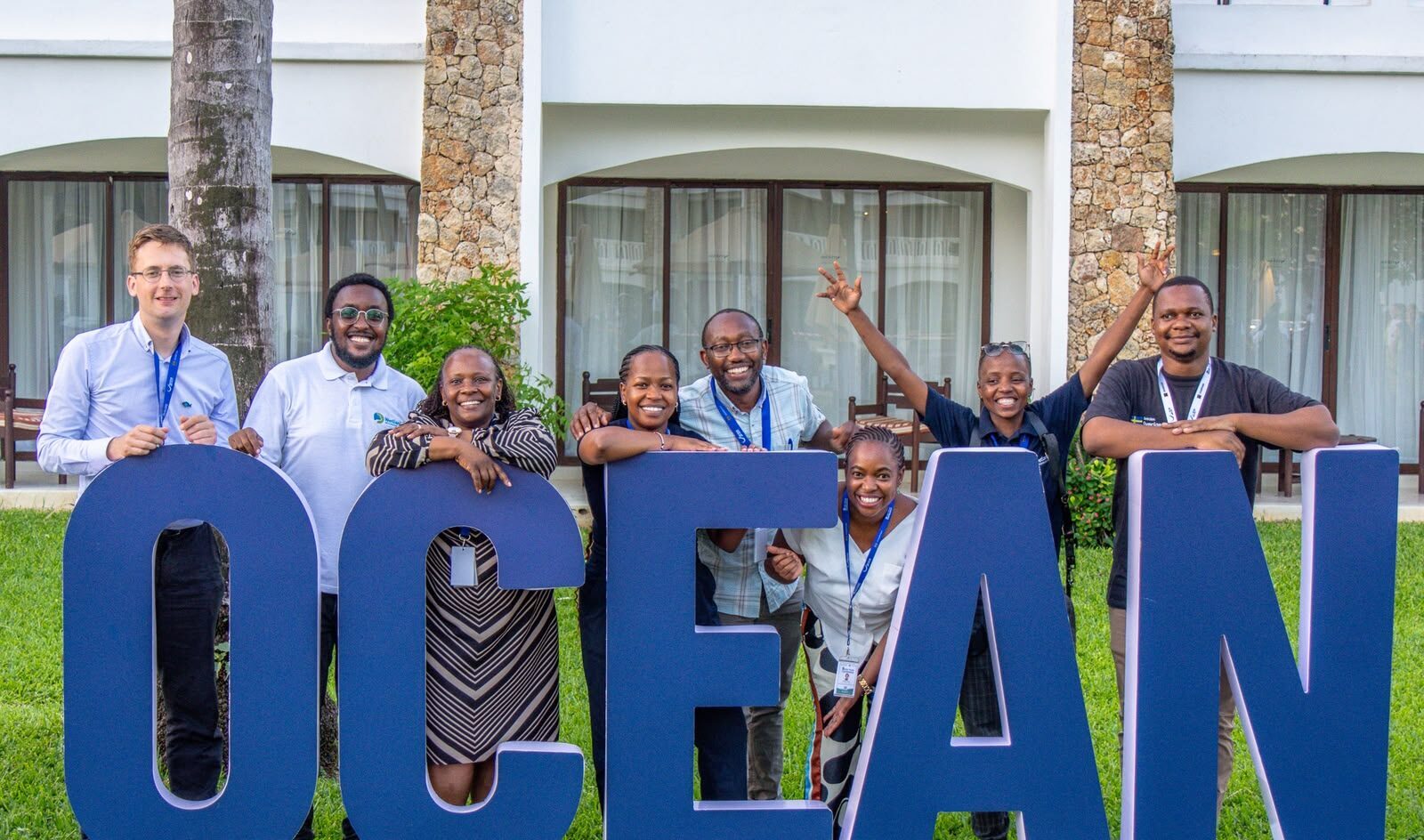
Mombasa, Kenya – June 23, 2026 – The vibrant coastal city of Mombasa recently hosted the 11th Our Ocean Conference, a pivotal global gathering that brought together a diverse array of stakeholders, including international partners, national governments, local communities, and influential investors. Under the resonant theme, "Our Ocean, Our Heritage, Our Future," the conference served as a critical platform for advancing ocean conservation and sustainable development. Representing the forefront of these efforts, teams from East Africa and the Global Office of [Insert Organization Name Here, e.g., Wetlands International] were at the heart of the discussions, powerfully advocating for the indispensable role of coastal wetlands in safeguarding marine ecosystems, bolstering climate resilience, and ensuring human well-being for generations to come.
The conference, held from [Start Date] to [End Date], provided a dynamic environment for collaborative action. Through a series of intensive panel discussions, strategic networking events, targeted partner meetings, and deeply impactful community-led conversations, [Organization Name]’s delegations meticulously underscored the multifaceted benefits of healthy coastal wetlands. These vital ecosystems, often overlooked, are proving to be linchpins in achieving a delicate balance between human needs, the preservation of natural biodiversity, and the urgent global imperative to address climate change. The organization’s presence was marked by a consistent message: investing in and protecting coastal wetlands is not merely an environmental consideration, but a fundamental strategy for sustainable development and a secure future.
Background: The Evolution of the Our Ocean Conference
The Our Ocean Conference initiative was established in 2014 by then-U.S. Secretary of State John Kerry, with the aim of bringing together governments, the private sector, and civil society to commit to concrete actions for the protection of the world’s oceans. Unlike traditional multilateral environmental negotiations, the Our Ocean Conference is action-oriented, focusing on voluntary commitments and tangible outcomes. Over its decade-long history, the conference has spurred billions of dollars in new funding for ocean conservation, the designation of vast marine protected areas, and significant policy shifts towards sustainable fisheries and combating marine pollution.
The choice of Mombasa, Kenya, as the host city for the 11th iteration of the conference held particular significance. As a nation with an extensive coastline and a rich marine biodiversity, Kenya has been at the forefront of regional efforts to conserve its marine resources. The conference provided an unprecedented opportunity to highlight the unique challenges and opportunities present in the Western Indian Ocean region, emphasizing the interconnectedness of local conservation efforts with global ocean health. The theme, "Our Ocean, Our Heritage, Our Future," resonated deeply with the cultural and ecological significance of the ocean for coastal communities and underscored the long-term vision required for its stewardship.
Highlighting the Multifaceted Value of Coastal Wetlands
[Organization Name]’s engagement at Our Ocean Conference 11 was strategically designed to move beyond abstract discussions and focus on the concrete, measurable benefits that coastal wetlands provide. The organization’s experts and partners emphasized several key areas of impact:
-
Biodiversity Hotspots and Ecosystem Services: Coastal wetlands, including mangroves, salt marshes, and seagrass beds, are among the most productive ecosystems on Earth. They serve as critical nurseries and breeding grounds for a vast array of marine life, supporting commercial fisheries and the livelihoods of millions. Data from [Source, e.g., a recent UN Environment Programme report] indicates that coastal wetlands can support up to 10 times more biodiversity than terrestrial ecosystems, providing essential habitats for endangered species and contributing significantly to global marine genetic diversity. The intricate root systems of mangroves, for instance, not only stabilize coastlines but also act as natural filters, trapping sediments and pollutants before they can reach the open ocean, thereby improving water quality.
-
Climate Change Mitigation and Adaptation: The role of coastal wetlands in combating climate change was a central focus of [Organization Name]’s message. These ecosystems are remarkably effective carbon sinks, sequestering atmospheric carbon dioxide at rates significantly higher than many terrestrial forests. Estimates suggest that mangroves alone can store between 3 to 5 times more carbon per hectare than tropical rainforests. This "blue carbon" is crucial for global climate mitigation efforts. Furthermore, coastal wetlands act as natural buffers against the impacts of climate change, absorbing storm surges, reducing coastal erosion, and mitigating the effects of sea-level rise. Communities living in coastal areas protected by healthy wetlands face significantly lower risks from extreme weather events, demonstrating their critical role in adaptation strategies. The World Meteorological Organization has reported a steady increase in the frequency and intensity of coastal flooding events globally, making natural defenses like wetlands increasingly vital.
-
Sustainable Livelihoods and Economic Development: The health of coastal wetlands is directly linked to the economic prosperity of coastal communities. Beyond fisheries, these ecosystems support a range of economic activities, including ecotourism, sustainable aquaculture, and the provision of natural resources like timber and medicinal plants. By promoting integrated coastal zone management and investing in wetland restoration and conservation, [Organization Name] advocates for approaches that generate sustainable income streams, create jobs, and enhance the resilience of local economies to environmental and economic shocks. The economic value of these ecosystem services, including flood protection and water purification, has been estimated by researchers at [Institution Name] to be in the tens of billions of dollars annually on a global scale.
-
Water Security and Quality: Coastal wetlands play a vital role in maintaining freshwater resources. They act as natural filters, removing excess nutrients, sediments, and pollutants from water runoff before it enters the ocean or underground aquifers. This purification process is essential for ensuring access to clean drinking water and supporting healthy aquatic ecosystems. Degradation of wetlands can lead to eutrophication of coastal waters, impacting marine life and potentially affecting human health through contaminated seafood.
A Chronology of Engagement at Our Ocean Conference 11
[Organization Name]’s involvement at the conference unfolded over its duration, marked by strategic engagements:
[Day 1 of Conference, e.g., June 20, 2026]: The delegation commenced their participation with introductory meetings with key government officials from East African nations and representatives from international development agencies. These sessions focused on identifying potential synergies and charting pathways for collaborative projects in wetland conservation and blue carbon initiatives.
[Day 2, e.g., June 21, 2026]: [Organization Name] actively participated in several high-level panel discussions. A prominent session, "Nature-Based Solutions for Coastal Resilience," featured [Name and Title of Organization Representative], who presented compelling case studies from the region showcasing the success of mangrove restoration projects in mitigating coastal erosion and enhancing fish stocks. Another panel, "Financing the Blue Economy," explored innovative financial mechanisms for investing in sustainable coastal development, with [Organization Name]’s experts highlighting the economic viability and long-term returns of wetland conservation.
[Day 3, e.g., June 22, 2026]: The day was dedicated to partner meetings and community dialogues. [Organization Name] convened a series of workshops with local community leaders from [Specific Coastal Regions in East Africa], gathering firsthand accounts of the challenges and opportunities they face. These discussions were crucial for ensuring that conservation efforts are community-driven and culturally appropriate. Networking events allowed for the establishment of new partnerships with research institutions, private sector entities interested in sustainable investments, and non-governmental organizations working on complementary issues.
[Day 4, e.g., June 23, 2026]: The conference culminated with a series of high-profile announcements and commitment signings. While specific commitments by [Organization Name] were not detailed in the initial release, the organization’s presence ensured that the critical importance of coastal wetlands was prominently featured in the overall discourse. The closing plenary session underscored the collective resolve to translate discussions into actionable outcomes, with a clear emphasis on the role of nature-based solutions, including wetland conservation.
Supporting Data and Emerging Trends
The conference proceedings were replete with data underscoring the urgency and opportunity for ocean conservation. Reports presented indicated a concerning trend of increasing marine pollution, with an estimated 8 million tons of plastic entering the oceans annually. Simultaneously, data on the decline of marine protected areas, with only a fraction effectively managed, highlighted the need for accelerated action.
However, alongside these challenges, promising trends emerged. The growing recognition of "blue carbon" as a vital climate mitigation tool has led to increased interest in financing mangrove and seagrass restoration projects. Investment in sustainable aquaculture and fisheries management, supported by robust monitoring and traceability systems, also showed upward momentum. The increasing integration of climate adaptation strategies with conservation efforts, particularly in vulnerable coastal regions, signals a more holistic approach to ocean stewardship.
Official Responses and Inferred Reactions
While official statements from conference organizers and participating governments are typically released post-event, the tenor of the discussions in Mombasa suggested a strong consensus on several fronts. There was a palpable sense of optimism regarding the potential of public-private partnerships to unlock significant investment for ocean conservation. Governments expressed a renewed commitment to strengthening marine protected area networks and enforcing regulations against illegal fishing and pollution.
From the perspective of organizations like [Organization Name], the conference provided a valuable opportunity to influence policy and secure support for their programmatic work. The inferred reaction from such organizations would be one of encouragement, coupled with a clear understanding of the ongoing need to translate commitments into tangible, on-the-ground action. The success of the conference would be measured not only by the number of pledges made but by the sustained implementation of these commitments in the years to come.
Broader Impact and Implications
The 11th Our Ocean Conference in Mombasa has significant implications for the future of ocean health and sustainable development. By placing coastal wetlands at the center of the conversation, the conference has amplified their importance as a cornerstone of effective marine conservation and climate action. This heightened awareness is likely to spur increased investment in wetland restoration and protection initiatives, both from governments and the private sector.
For East African nations, the conference provided a crucial platform to showcase their leadership in ocean stewardship and attract the resources needed to address pressing environmental challenges. The partnerships forged and strengthened in Mombasa are expected to drive collaborative projects that deliver measurable benefits for biodiversity, climate resilience, and local economies.
The growing recognition that healthy oceans are intrinsically linked to human well-being and economic prosperity underscores a paradigm shift in how we perceive and interact with our marine environment. The lessons learned and commitments made in Mombasa offer a beacon of hope, signaling a collective determination to protect "Our Ocean, Our Heritage, Our Future" for generations to come. The challenge now lies in the sustained and diligent execution of these pledges, ensuring that the momentum generated in Mombasa translates into lasting positive change for the world’s oceans.
