

The global crisis of wildlife trafficking, habitat fragmentation, and injured fauna places an immense burden on rescue organizations across Central America. In Costa Rica, a nation globally celebrated for its rich biodiversity and progressive environmental policies, institutions such as the Toucan Rescue Ranch (TRR) serve as critical sanctuaries for animals displaced or injured by human activity. Operating at the intersection of rehabilitation, veterinary science, and public education, these facilities rely heavily on an international network of volunteers and interns to sustain their day-to-day operations. For Kim Schafroth, a communications student from Switzerland, a two-month tenure at the ranch offered an immersive look into the rigorous demands of wildlife management, bridging hands-on animal husbandry with practical academic application.
Background and Context of Wildlife Rescue in Costa Rica
Costa Rica harbors approximately 5 percent of the world’s biodiversity despite occupying a mere 0.03 percent of the Earth’s surface. However, this ecological wealth is increasingly threatened by deforestation, illegal pet trade, vehicular strikes, and electrocutions from power lines. Facilities like the Toucan Rescue Ranch, established to rescue, rehabilitate, and—whenever possible—release native fauna back into the wild, operate under intense scrutiny and financial constraints.
To maintain high standards of animal welfare, TRR utilizes a structured workforce composed of permanent veterinary professionals, specialized biologists, administrative staff, and global volunteers. Without the labor and dedication of individuals participating in structured volunteer programs, the capacity of such sanctuaries to process, feed, and monitor hundreds of animals simultaneously would be severely compromised. Schafroth’s deployment across two distinct departments—the Animal Care Team and the Marketing Team—exemplifies the multifaceted operational needs of modern conservation NGOs, which must balance clinical animal care with public outreach and fundraising.
Daily Operations and the Animal Care Protocol
Life inside the sanctuary begins well before sunrise, governed by a strict logistical schedule designed to meet the nutritional and behavioral needs of diverse species. The daily routine commences at 7:00 a.m. with a briefing among staff and volunteers to review overnight incidents, assess the health status of vulnerable residents, and delegate operational tasks.
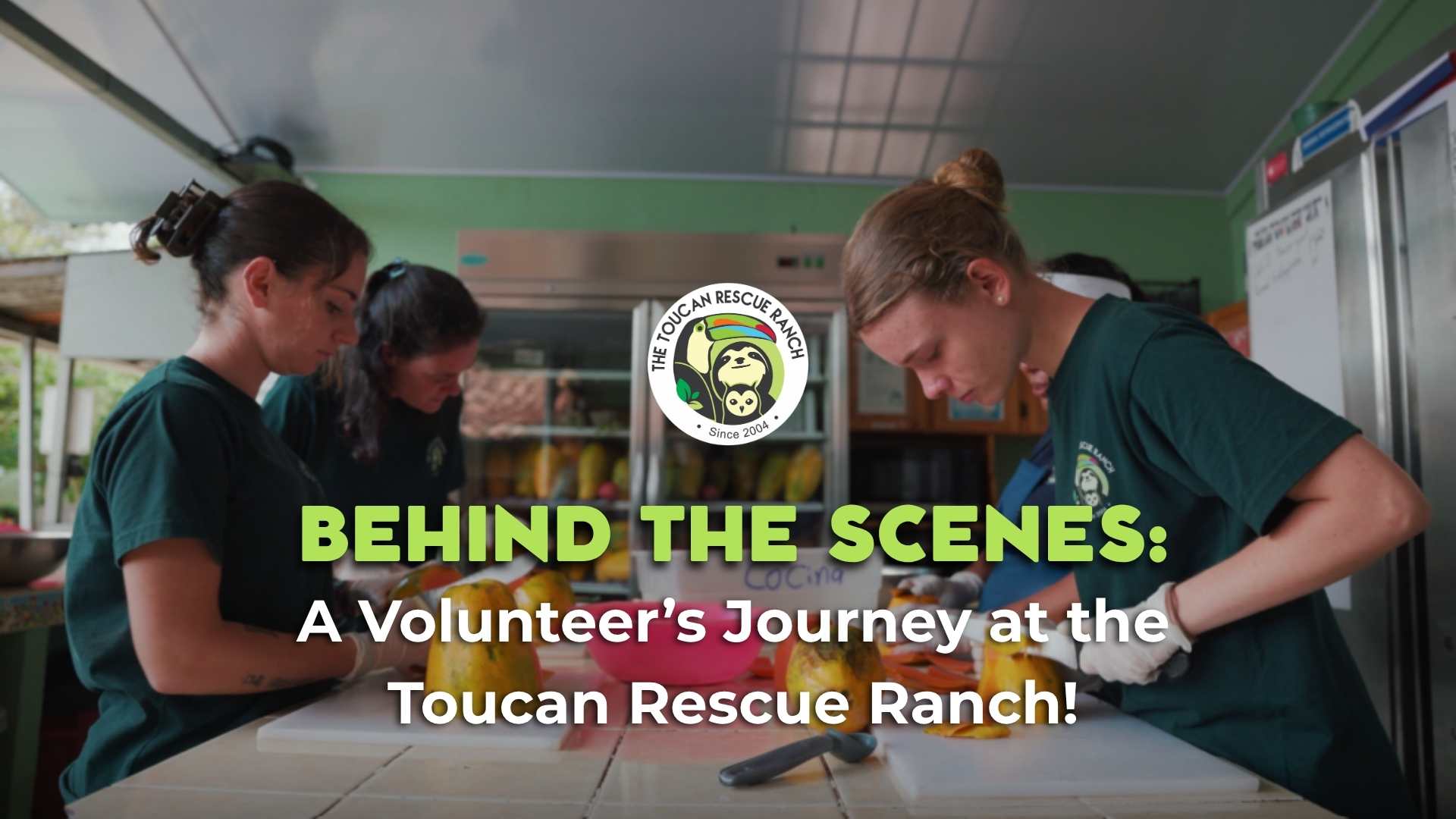
The workforce is subsequently divided to optimize efficiency. One contingent remains in the central kitchen to meticulously prepare specialized diets, while the other conducts sanctuary maintenance, cleaning enclosures, and refreshing water systems. Dietary preparation requires high precision: primates, birds, and small mammals receive varied, vitamin-enriched diets tailored to mimic their natural foraging habits. For instance, omnivorous mammals and frugivorous birds receive colorful platters of chopped seasonal fruits, vegetables, and specialized proteins, while raptors and specialized carnivores adhere to strict predatory diets.
Mid-morning routines introduce environmental enrichment—a crucial component of rehabilitation designed to stimulate cognitive function and prevent stereotypic behaviors in captive animals. Volunteers craft puzzle feeders, construct imitation fruit trees for avian species, and prepare frozen fruit juice treats to help animals cope with high ambient temperatures. Throughout the morning, feeding sessions for specialized residents take place, including meals for Emma, an resident otter known for retrieving trout and consuming it within her pool.
Afternoon protocols mirror the morning’s intensity, featuring additional feedings, enclosure maintenance, and targeted care for nocturnal species such as kinkajous, porcupines, and pacas. These animals briefly rouse for afternoon meals, allowing caretakers to conduct visual health checks before the sanctuary transitions to its evening routine. The day concludes with the sanitization of feeding trays and equipment, ensuring biosecurity standards remain uncompromised across all departments.
Community Living and the Volunteer Infrastructure
The logistical framework of the Toucan Rescue Ranch extends beyond the animal enclosures to include dedicated residential infrastructure designed to house its international contingent of volunteers and interns. Situated a short walk from the central headquarters, the volunteer residence functions as a communal hub that fosters cross-cultural exchange and peer support.
The facility accommodates participants across two levels. The ground floor features communal dormitories, private single rooms, shared sanitary facilities, a central kitchen, and a living area where participants congregate during off-hours. The upper level provides specialized housing for academic interns. This residential model is deliberately structured to alleviate the psychological strain often associated with intense conservation work. By providing a stable, collaborative living environment, the ranch mitigates burnout, encouraging peer-to-peer debriefing and cultural integration. Shared meals featuring traditional Costa Rican cuisine, such as the staple casado—comprising rice, beans, a protein source, salad, and fried plantain—further anchor the participants in local culture.
Transitioning from Animal Husbandry to Conservation Communications
Schafroth’s tenure at the ranch was intentionally bifurcated to maximize both operational assistance and professional development. Spending her initial weeks within the Animal Care Team, she developed fundamental competencies in species identification, behavioral observation, and the strict safety protocols required when handling wild or semi-habituated fauna. Working alongside veteran veterinary staff taught participants to recognize subtle indicators of stress or illness, reinforcing the principle that human interaction must be strictly managed to prevent habituation.
During her second month, Schafroth transitioned to the Marketing Team, leveraging her academic background in communications to contribute to the ranch’s public outreach initiatives. This department plays an essential role in the institution’s survival, translating complex conservation science into accessible narratives for donors, digital audiences, and eco-tourists. By generating multimedia content, managing social media channels, and documenting daily rehabilitation efforts, marketing volunteers directly influence fundraising capabilities and public awareness regarding illegal wildlife trafficking.
Implications and Broader Impact of International Voluntourism
The integration of international volunteers into conservation projects like the Toucan Rescue Ranch carries significant implications for both the host organizations and the participants. From an operational standpoint, volunteer labor bridges critical gaps in institutional funding and manpower, enabling sanctuaries to maintain high standards of animal welfare without incurring insurmountable labor costs.
From an educational and sociological perspective, programs of this scale cultivate a globally distributed network of conservation advocates. Volunteers return to their home countries—in this case, Switzerland—equipped with firsthand insights into Neotropical ecology, the mechanics of wildlife rehabilitation, and the anthropogenic pressures facing global biodiversity. This experiential learning often translates into long-term behavioral changes, enhanced support for international environmental policies, and sustained philanthropic contributions to frontline conservation efforts.
Ultimately, structured volunteer programs demonstrate that effective wildlife management requires a holistic approach—one that marries rigorous veterinary science and dedicated animal husbandry with robust public communication and international collaboration.
