
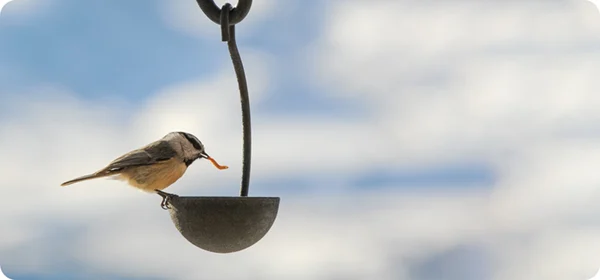
The intersection of holiday gift-giving and backyard wildlife conservation has taken an unconventional turn this season, as nature enthusiasts and specialty retailers propose a surprising present for Mother’s Day: insects. While gifting bugs may initially sound jarring or unorthodox to the uninitiated, ornithological experts and retail analysts suggest that the concept taps into a deeply rewarding hobby that millions of mothers share: backyard bird feeding.
As May unfolds across North America, suburban and rural yards experience a dramatic influx of avian activity. This seasonal surge is driven by two major ecological phenomena: the peak of the local breeding season and the height of spring bird migration. By understanding the biological needs of birds during this critical juncture, gift-givers can tailor present ideas that offer long-lasting aesthetic and environmental rewards for nature-loving mothers.
The Biological Imperative: Why Birds Need Insects in May
To comprehend why mealworms and native insects make an ideal gift for a bird-loving mother, one must examine the rigorous biological demands placed on songbirds during the late spring. May marks the primary nesting period for a vast majority of North American backyard birds. During this crucial window, adult birds face the immense responsibility of rearing their young. Unlike adult songbirds, which may subsist on a diverse diet of seeds, nuts, and suet, nestlings require a diet rich in protein and moisture to support rapid skeletal and muscular development. Consequently, virtually all songbird species feed their hatchlings an exclusive diet of insects for the first several weeks of life.
Simultaneously, May serves as a critical travel corridor for billions of neo-tropical migratory songbirds. Species such as warblers, vireos, thrushes, and tanagers undertake arduous, thousands-of-mile journeys from their wintering grounds in Central and South America to their northern breeding grounds. Navigating these vast distances requires immense expenditures of fat and energy. Upon stopping to rest in backyard habitats, these weary travelers actively forage for high-energy invertebrate prey to replenish their depleted fat reserves.
When a backyard is properly equipped to supply these essential nutritional needs, it transforms into a vibrant sanctuary. For a mother who appreciates wildlife, the resulting influx of diverse, colorful, and active songbirds provides an unmatched daily spectacle right outside her window.
A Two-Pronged Approach to Backyard Habitat Enhancement
Horticultural and ornithological specialists recommend a two-pronged strategy to ensure that a backyard remains a premier destination for insect-eating birds throughout the spring and summer months. This dual approach combines sustainable landscaping practices with targeted commercial bird-feeding solutions.
The first component focuses on long-term ecological enhancement through the introduction of native plants. Rather than purchasing traditional, highly cultivated floral arrangements that typically wilt and are discarded within days, gift-givers are encouraged to select potted native perennials or shrubs. Native plants form the foundation of local food webs by supporting specialized native insect populations—such as caterpillars, beetles, and native bees—that have evolved alongside local flora. When a yard features a diverse array of native vegetation, it naturally sustains a healthy, self-replicating insect population that resident birds instinctively seek out for foraging. Furthermore, native plants offer enduring aesthetic value, blooming iteratively throughout the summer and providing continuous visual enjoyment for the homeowner.
The second component involves supplementing natural foraging opportunities with commercially prepared insect products, most notably mealworms. While native insects provide a vital baseline, offering supplemental mealworms creates a reliable, high-energy food source that attracts species that might otherwise bypass traditional seed-only feeders.
Commercial Solutions for the Modern Backyard

The backyard bird feeding industry, spearheaded by organizations such as Wild Birds Unlimited (WBU)—the largest franchise system of backyard bird feeding and nature specialty stores in North America—has developed specialized product lines to address the seasonal nutritional needs of backyard wildlife.
Retailers now offer various formulations designed to simplify the incorporation of insects into feeding regimens. Among these is the specialized Nesting SuperBlend, a proprietary mix formulated specifically for the breeding season. Available both as a loose seed blend and in compressed seed cylinder formats, this product incorporates dried mealworms to provide breeding adults with readily accessible protein. Additionally, Bug, Nut and Berry cylinders cater directly to insectivorous species by blending high-fat components with dried invertebrates.
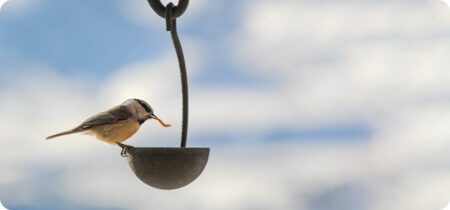
For maximum efficacy, many seasoned bird enthusiasts utilize live mealworms. Live insects trigger the predatory instincts of insect-eating songbirds far more effectively than dried alternatives, acting as a powerful magnet that draws species like bluebirds, wrens, and various warblers into clear view for backyard observers.
Economic and Cultural Implications of Backyard Birding
The marketing shift toward eco-friendly, conservation-oriented gifts reflects broader cultural and economic trends within the North American consumer landscape. Backyard bird watching has experienced exponential growth over the past several decades, cementing its status as one of the continent’s most popular outdoor hobbies. Millions of households invest annually in specialized food, feeders, binoculars, and habitat-scaping materials, transforming a casual pastime into a multi-billion-dollar industry.
Industry analysts note that consumer preferences are increasingly shifting away from single-use, disposable gifts toward experiential and environmentally conscious purchases. Gifting items that foster a direct connection to local wildlife aligns with a growing societal emphasis on mental wellness, mindfulness, and ecological stewardship. Observing backyard wildlife has repeatedly been linked to reduced stress levels and enhanced psychological well-being, providing a compelling rationale for gifts that enrich the natural environment.
Expert Perspectives and Industry Response
Representatives from major nature specialty organizations emphasize that framing wildlife-supporting products as holiday gifts is part of an ongoing educational effort to connect consumers with the natural rhythms of the ecosystem.
"When people think of Mother’s Day gifts, they often default to items that offer fleeting enjoyment," notes an industry spokesperson familiar with seasonal retail trends. "By shifting the focus toward products that actively support local biodiversity—such as native plants and specialized high-protein bird foods—we are offering a gift that keeps giving. It transforms the recipient’s yard into a dynamic ecosystem where they can witness the miracle of the spring nesting season firsthand."
Educational outreach programs, including specialized podcasts and nature-centered workshops, frequently highlight the importance of seasonal feeding adjustments. These initiatives strive to educate the public on how minor modifications to backyard management can yield profound conservation benefits for local bird populations experiencing habitat fragmentation and environmental pressures.
Broader Environmental Impact and Conservation Analysis
While the primary immediate result of feeding insects to backyard birds is the sheer joy experienced by the observer, conservation biologists point out broader ecological implications associated with backyard habitat enhancement.

Urbanization and the proliferation of manicured, chemical-dependent lawns have drastically reduced the availability of native insects and plants across North America. This decline in invertebrate biomass has cascading negative effects on insectivorous bird populations, many of which have experienced documented long-term declines. By encouraging suburban and urban homeowners to cultivate native plants and provide supplemental insect nutrition, backyard conservationists can help mitigate some of the habitat deficits caused by modern real estate development.
Providing mealworms and native flora does not replace large-scale habitat restoration, but it serves a vital localized function. It creates safe stepping-stones for migratory species navigating heavily fragmented landscapes and supplies suburban nesting pairs with the supplemental nutrition necessary to successfully fledge their broods amidst the challenges of the modern built environment.
Conclusion: A Paradigm Shift in Gift-Giving
Ultimately, the proposition of giving "bugs for birds" to mothers on Mother’s Day bridges the gap between humorous novelty and sound ecological practice. By reframing traditional gift-giving around the shared appreciation of nature, families can invest in products that elevate backyard biodiversity while delivering months of engaging, stress-reducing entertainment.
Whether through the planting of resilient native perennials that anchor a summer-long wildlife garden, or the deployment of specialized mealworm cylinders designed to attract elusive migratory songbirds, the strategy offers a meaningful alternative to conventional holiday gifts. As public awareness of avian conservation needs continues to rise, unconventional gifts that support the natural world are increasingly securing their place as thoughtful, highly valued expressions of appreciation.
