
In a significant milestone for environmental stewardship in the American West, the National Audubon Society has officially granted its Bird-Friendly Land Certification to five prominent California ranches. This recognition marks a major expansion of the Audubon Conservation Ranching (ACR) program, bringing the total footprint of enhanced, ecologically managed rangeland in California to over 314,000 acres. The newly certified operations—C&R Ranch in Red Bluff, Deer Creek Hills Preserve near Sacramento, Durst Home Ranch in Capay, Gabilan Ranch in San Juan Bautista, and Jalama Canyon Ranch in Lompoc—represent a diverse cross-section of the state’s agricultural landscape, from oak woodlands to coastal grasslands.
The Crisis of Grassland Habitats
The necessity for this certification program is rooted in a sobering ecological trend. Since 1970, North American grassland birds have experienced more precipitous population declines than any other terrestrial bird group on the continent. This loss is inextricably linked to the degradation and fragmentation of native rangelands. In California alone, approximately 61 million acres of land are classified as rangeland, serving as a critical infrastructure for water filtration, carbon sequestration, and biodiversity. However, urban sprawl and agricultural conversion continue to claim roughly 20,000 acres of these vital grasslands annually.
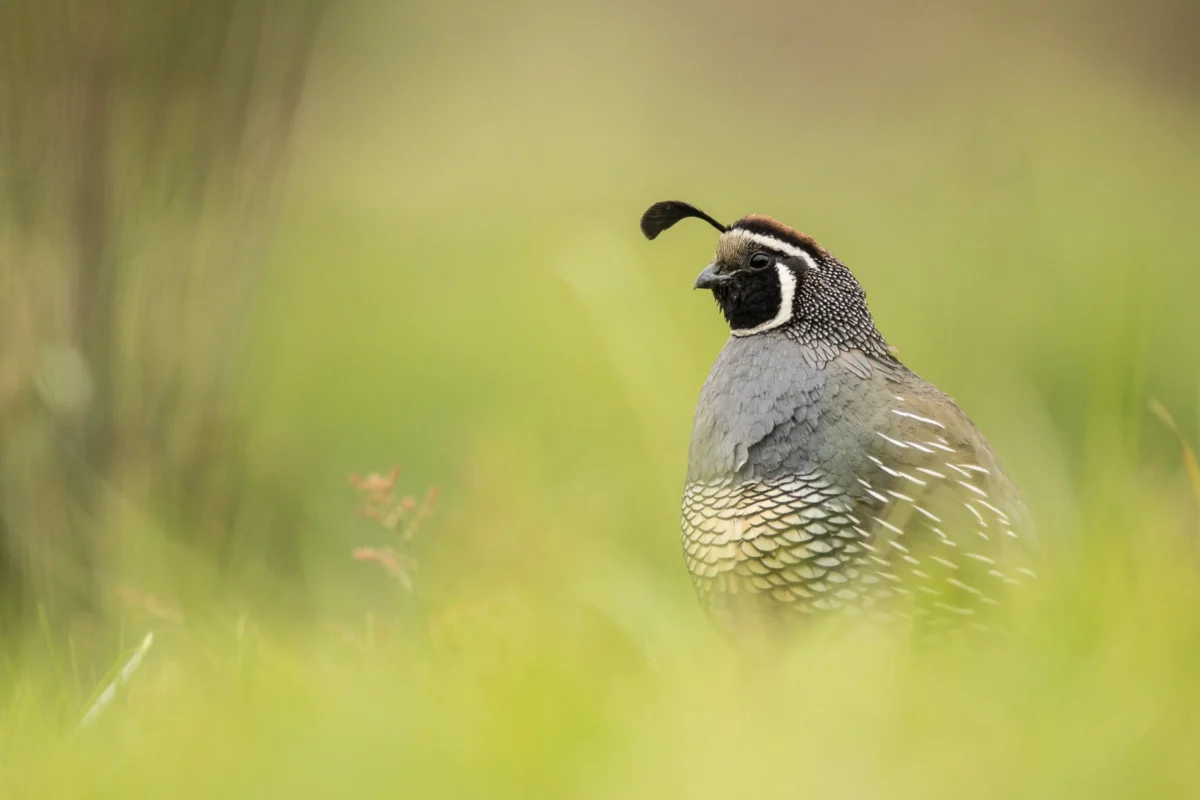
For species such as the Grasshopper Sparrow, the California Quail, and the endangered California Condor, these private lands are not merely commercial assets; they are essential survival corridors. By working directly with private landowners, the Audubon Society aims to implement science-based management practices that stabilize these populations where they are most vulnerable.
Chronology of a Conservation Movement
The path to this latest certification began in 2019, when the National Audubon Society first launched its California-specific conservation ranching initiative. The strategy was to move beyond passive land management, instead opting for an active, audited approach that bridges the gap between commercial beef production and wildlife conservation.
- 2019: Audubon launches the Conservation Ranching program in California, seeking to address the specific ecological needs of the state’s unique Mediterranean climate and diverse ecoregions.
- 2020–2024: The program establishes early demonstration sites and refines its Habitat Management Plans (HMPs), focusing on regenerative grazing techniques that mimic natural disturbance patterns.
- September 2026: Five major ranches complete the rigorous, multi-year verification process, receiving the official Bird-Friendly Land Certification seal, which allows them to market their beef products with a label signifying high-standard environmental stewardship.
Defining Bird-Friendly Management
Earning the Audubon certification is not a perfunctory achievement; it requires a deep commitment to systemic change. Each of the five ranches underwent independent audits to verify adherence to standards encompassing habitat management, forage quality, and animal welfare. The core of this management strategy is "adaptive grazing."
Unlike traditional continuous grazing, which can lead to overgrazing and the depletion of native perennial grasses, these ranches employ rotational systems. By moving cattle through a series of paddocks, land managers ensure that the grass has adequate time to recover. This process promotes deep root growth, improves soil organic matter, and increases water infiltration. Furthermore, it creates a "mosaic" of vegetation heights and densities, which is essential for different life-cycle stages of grassland birds—some requiring short grass for foraging and others needing taller, denser cover for nesting.
Perspectives from the Field
Pelayo Alvarez, Program Director for Audubon Conservation Ranching in California, notes that the success of these ranches was evident from the early stages of their participation. "From the start, it was clear that all five managers wanted to be good land stewards and learn as much as possible about the flora and fauna in these landscapes," Alvarez stated. "We’re proud to partner with these producers, each of which is successfully managing its acreage to support birds and other wildlife."
The sentiment is echoed by the producers themselves, who view the certification as a validation of their long-term efforts to balance production with conservation. At Gabilan Ranch, for instance, the management team has integrated high-level conservation into their business model for nearly a century. Darrell Boyle, Chairman of Gabilan Ranch, highlighted the tangible results of their work: "We control grazing in pastures to protect ground-nesting birds; we introduced Tule elk to the Gabilan Range; we have a nesting pair of California Condors on the ranch; and we get to watch bald eagles fledge every year."
For the White Buffalo Land Trust, which operates the Jalama Canyon Ranch, the certification is a tool to demonstrate the efficacy of regenerative agriculture. "Regenerative grazing is ultimately about strengthening the relationship between people and land," said Jesse Smith, Director of Land Stewardship. "The return of grassland birds is one of the clearest signs that relationship is healthy."
Economic and Ecological Implications
The economic implications of this certification are significant. By allowing ranchers to use the Audubon seal on their products, the program creates a direct market incentive for conservation. Consumers who choose "Bird-Friendly" beef are effectively participating in a subsidy for biodiversity, paying a premium that supports the extra labor and logistical costs associated with rotational grazing and invasive species control.
From an ecological standpoint, the benefits extend beyond avian populations. Improved soil health, a primary objective of the HMPs, serves as a natural carbon sink. As the state of California continues to face the dual threats of drought and climate volatility, the ability of rangelands to hold moisture and support deep-rooted native grasses becomes a crucial component of statewide climate resilience.
A Model for Future Stewardship
As of late 2026, the Audubon Conservation Ranching program works with over 155 certified farms and ranches nationwide, covering 4.5 million acres. The addition of these five California operations reinforces the scalability of the model. The diversity of these sites—ranging from the blue oak woodlands of Deer Creek Hills to the coastal ecosystems of Santa Barbara County—demonstrates that bird-friendly management is not a "one-size-fits-all" approach but a flexible framework that can be tailored to local soil, climate, and wildlife requirements.
Looking forward, the success of these five ranches is expected to attract more producers to the program. As the agricultural industry faces increasing pressure to demonstrate sustainability, the Audubon certification provides a rigorous, science-based standard that satisfies both environmental advocacy and market demand. By transforming ranches into working refuges, the National Audubon Society and its partners are proving that agriculture and conservation are not mutually exclusive, but can instead be complementary forces in the effort to preserve California’s natural heritage for future generations.
