
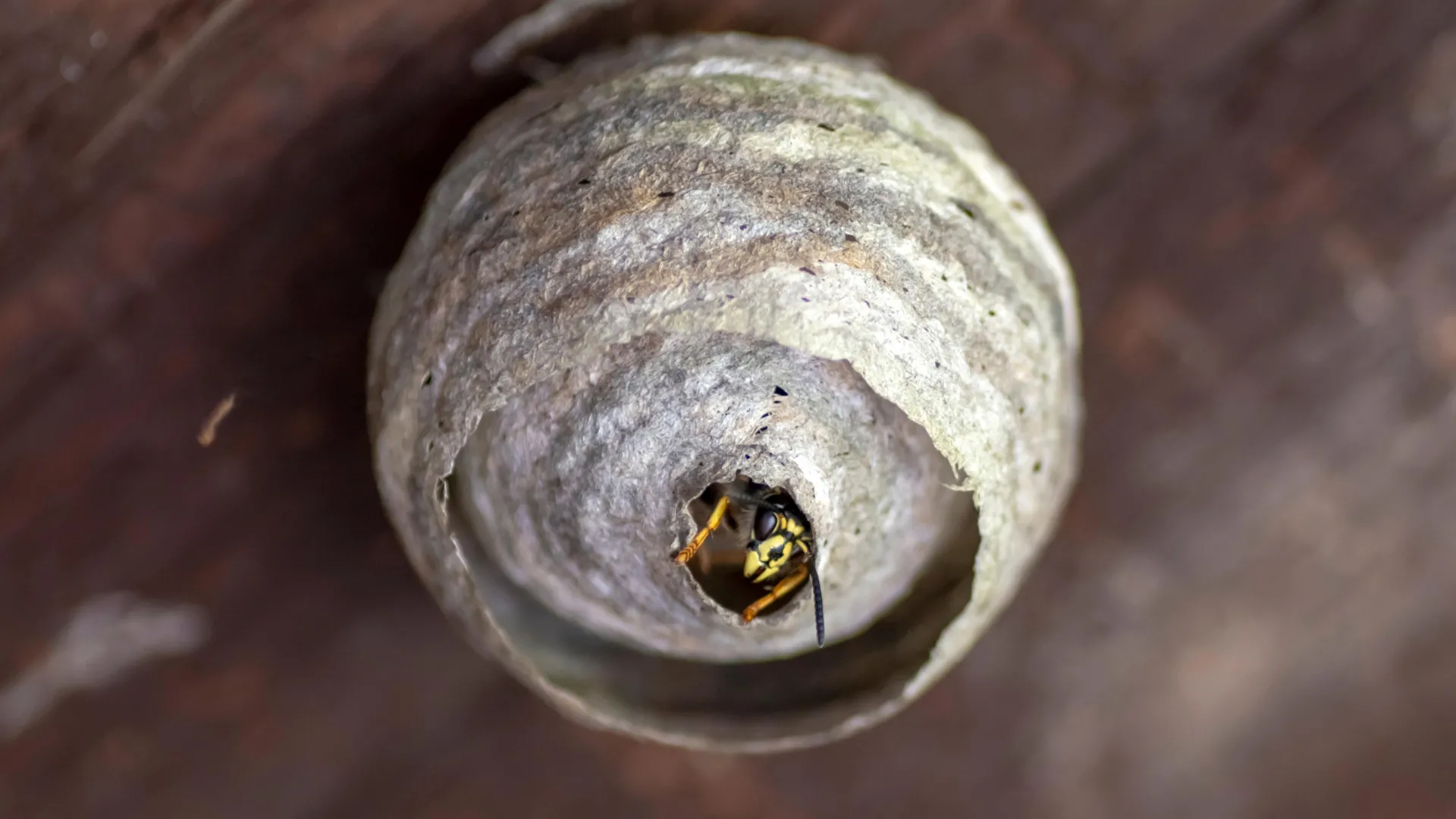
The familiar hum of social wasps—long accepted as an unavoidable soundtrack to summer picnics, outdoor festivals, and backyard barbecues—has become remarkably scarce across the United Kingdom and parts of Western Europe. While public perception usually frames these insects as unwelcome pests, their sudden disappearance during the summer of 2026 has alarmed entomologists, ecologists, and agricultural specialists alike. Rather than dealing with the usual wave of late-summer complaints regarding aggressive wasps swarming outdoor dining areas, professional pest-control agencies and academic researchers are reporting an unprecedented quiet season.
This sudden demographic shift represents a sharp departure from historical trends. Only a year prior, during the warm spring and hot summer of 2025, media outlets and pest-control hotlines were inundated with reports of "wasp plagues" driven by rapid colony expansion. Today, however, academic laboratories struggling to source specimens for behavioral and ecological studies are finding that common social wasp populations have plummeted. While comprehensive nationwide datasets remain pending—with monitoring initiatives such as the Big Wasp Survey yet to finalize their seasonal tallies—preliminary observations from the scientific community suggest that 2026 is a watershed year for insect population dynamics.
A Chronology of Climate Stress: From Spring Emergence to Summer Heatwaves
The crisis facing common social wasps (Vespula vulgaris and Vespula germanica) began unfolding early in the year, driven by a highly volatile meteorological timeline. The season initially commenced under seemingly favorable conditions. During the spring of 2026, unusually warm and dry weather encouraged a high volume of foundresses—newly mated queens—to emerge successfully from their winter hibernation.
For a wasp queen, spring is the most perilous phase of the annual life cycle. Emerging alone, the queen must simultaneously fulfill all duties required to establish a colony: constructing the initial paper nest, foraging for raw materials, laying eggs, and single-handedly rearing the first cohort of larvae. Under normal circumstances, a warm, dry spring accelerates this process by ensuring an abundant supply of early nectar and diverse prey populations, which the queen requires to develop her ovaries and feed her brood.
However, the spring of 2026 deviated dangerously from historical climatic norms. While initial temperatures were warm, they were soon punctuated by unprecedented early-season heat spikes immediately followed by severe cold snaps and unexpectedly freezing nocturnal temperatures. This erratic meteorological whiplash created fatal bottlenecks for emerging colonies. Unable to regulate temperature effectively inside nascent, uninsulated nests without a workforce of adult workers, many queens were forced to abandon their foundations or succumbed entirely to environmental stress, drastically reducing the baseline population of prospective colonies before summer even began.
Thermal Thresholds and Physiological Pressures
As summer progressed, the situation worsened with the arrival of consecutive, prolonged heatwaves. While certain insect species—most notably butterflies, as documented by organizations such as Butterfly Conservation—thrived under conditions of uninterrupted sunshine, social wasps encountered the physiological limits of their thermal tolerance.
All insects possess a critical thermal maximum (CTmax), a threshold beyond which internal biological systems fail, leading to desiccation, severe muscle spasms, and ultimately metabolic stupor or mortality. While honeybees exhibit a CTmax of approximately 49°C, and can suffer cognitive impairment at lower thresholds, recent data indicates that the CTmax for common social wasps hovers near 45°C (113°F). During the peak heatwaves of 2026, ground-level surface temperatures across the UK routinely exceeded 50°C.
Despite possessing sophisticated evolutionary adaptations—such as specialized cuticular hydrocarbons on their exoskeletons that structurally alter to prevent moisture loss, and cooperative thermoregulation behaviors like wing-fanning to cool developing larvae—wasps were overwhelmed by the duration and intensity of the 2026 thermal anomalies. The combination of extreme ambient heat and depleted prey availability pushed many colonies past their physiological breaking points.
The Phenomenon of Shrubby Colonies and Stunted Growth

Field researchers have also documented a striking morphological anomaly among the surviving wasp populations: the adult workers observed late in the summer remain remarkably small, mirroring the size typical of early spring emergence.
In a healthy colony, the first generation of worker wasps is inherently small because the solitary queen is constrained by the sheer volume of food she can acquire independently. However, by early August, a mature colony’s foraging capacity expands exponentially. Well-fed larvae typically pupate into significantly larger adult workers, enabling the colony to scale its foraging territory and nest architecture.
The persistence of "spring-sized" workers deep into the summer points to chronic nutritional restriction. With widespread droughts withering floral resources and decimating local invertebrate prey populations, colonies have struggled to secure sufficient protein and carbohydrates. Furthermore, entomological studies indicate that insect larvae reared under persistent high temperatures develop at an accelerated metabolic rate, resulting in premature pupation and reduced overall body size. This real-time miniaturization aligns with historical data spanning the past century, which links gradual global warming trends to a progressive reduction in the average size of social wasps globally.
Broader Ecological Implications and Ecosystem Services
The potential collapse or significant reduction of wasp populations carries severe ecological repercussions. While public perception overwhelmingly frames wasps as nuisances, entomologists emphasize their critical roles as multifaceted ecosystem regulators.
As apex invertebrate predators, social wasps act as natural pest-control agents. A single mature colony consumes thousands of caterpillars, aphids, flies, and other agricultural pests daily, providing an invaluable service to farmers and gardeners by regulating herbivorous insect populations without the need for chemical intervention. Furthermore, wasps function as secondary pollinators. While they lack the specialized pollen-carrying structures of honeybees, their frequent visits to flowers in search of nectar result in significant cross-pollination across diverse plant species. Finally, as decomposers and scavengers, they accelerate the breakdown of organic material and carrion within natural habitats.
The absence of wasps in 2026 threatens to create cascading imbalances across local food webs, potentially leading to unchecked expansions of pest populations that could impact forestry, agriculture, and urban ecosystems alike.
Official Responses and Ongoing Citizen Science Initiatives
In response to the growing data gap, academic institutions and conservation charities have ramped up monitoring efforts, turning to the public to gather empirical evidence. The Wasp Picnic Survey 2026, led by specialized research teams including the Sumner Lab at University College London, has launched targeted campaigns encouraging citizens to document wasp sightings during outdoor meals.
Researchers note that public participation is vital for mapping the geographic distribution and behavioral adaptations of surviving populations. Rather than employing traditional pest eradication methods or instinctively swatting away foraging insects, entomologists suggest a shift in perspective. Observing an approaching wasp at a picnic often reveals a desperate search for protein (such as meat) to feed starving brood or sugar (such as jam) for self-sustenance amidst widespread environmental scarcity.
As climatologists and ecologists analyze the long-term data from the summer of 2026, the situation serves as an urgent case study in the vulnerability of common insect species to rapid climate volatility. Whether these resilient insects can rebound in subsequent seasons will depend heavily on stabilizing weather patterns, habitat preservation, and a broader public appreciation for the vital, if often underappreciated, functions wasps perform within our natural environment.
