
As the autumn season reaches its peak in October, backyard bird enthusiasts and ornithology hobbyists across North America are finding innovative ways to blend seasonal traditions with avian care. While Halloween is conventionally celebrated with human-centric festivities, wildlife experts and nature organizations are championing a shift in perspective, arguing that backyard wildlife can equally benefit from seasonal engagement. Wild Birds Unlimited (WBU) Inc., the largest franchise system of backyard bird feeding and nature specialty stores in the United States and Canada, has launched an educational initiative highlighting specialized feeding techniques, habitat enhancements, and nutritional treats designed to optimize backyard bird health ahead of the winter migration and foraging cycles.
The intersection of seasonal wildlife observation and autumnal festivities has grown increasingly popular over the past decade. According to environmental education groups, October marks a critical biological transition period for resident and migratory birds. With natural food sources such as summer insects and native berries dwindling, backyard feeding stations become vital nutritional lifelines. By leveraging seasonal themes, conservation groups aim to boost public participation in backyard habitat management, transforming casual observers into active stewards of local ecosystems.
Mastering the "Tricks" of Avian Attraction
Attracting a diverse array of bird species to a residential yard requires more than simply filling a standard tube feeder. Ornithologists and bird-feeding specialists emphasize that understanding avian sensory perception is key to successful backyard habitat design.
The first major strategy involves auditory stimulation. Birds possess acute hearing and are naturally drawn to the sound of moving water, which signals safety, hydration, and bathing opportunities. Integrating a water feature equipped with a circulating pump or a slow dripper acts as a powerful wildlife magnet. When birds descend to investigate the auditory cues of running water, they frequently discover nearby feeding stations as well.
A secondary challenge backyard hobbyists frequently encounter is the delay in avian utilization when introducing a new feeder or unfamiliar food source. Birds rely heavily on visual cues to locate sustenance. To accelerate the discovery process, experts recommend a straightforward technique: scattering a small, strategic amount of seed directly on top of or beneath the newly installed feeder. This visual priming significantly reduces the time it takes for local flocks to incorporate the new station into their daily foraging routes.

Elevating the Menu: Seasonal Treats Beyond Standard Seed
While traditional sunflower seeds, millet, and standard suet cakes form the foundation of daily backyard feeding regimens, October provides an ideal opportunity to introduce high-energy, specialized treats. Unlike the sugary confections associated with human Halloween traditions, avian treats are engineered to provide concentrated caloric intake essential for survival as temperatures drop.
Among the most versatile and widely documented specialty products is Jim’s Birdacious® Bark Butter®, a proprietary spreadable suet developed to attract species that do not typically visit traditional hanging feeders. Field data indicates that Bark Butter has successfully attracted over 155 distinct bird species across North America. The application method mirrors the educational theme of the season: spreading the substance directly onto the bark of a mature backyard tree or atop an active platform feeder mimics natural foraging behaviors and draws species such as brown creepers, nuthatches, and various woodpeckers.
Peanuts represent another high-value dietary addition during the autumn months. Rich in healthy fats and proteins, peanuts are heavily favored by an extensive roster of cavity-nesters and foragers, including titmice, chickadees, bushtits, and jays. Blue jays, in particular, exhibit intense foraging activity during October. Known for their caching behavior, jays will rapidly empty tray feeders, gathering up to 100 in-shell peanuts per day and transporting them up to six miles away to bury them in secure underground caches for future consumption.
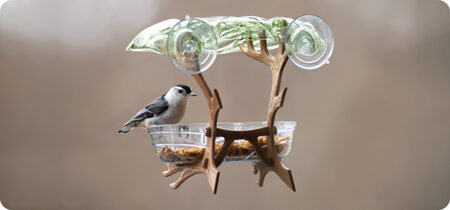
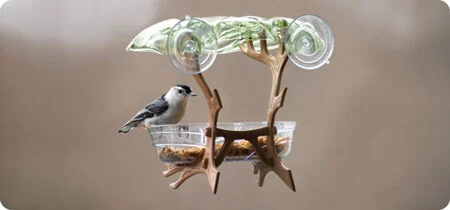
Furthermore, specialized diets cater to migratory and resident specialists during this period. Live or dried mealworms provide essential protein for bluebirds preparing for shifting weather patterns; fresh fruit and proprietary nectars or jellies appeal to late-season orioles; and high-sucrose nectars sustain lingering hummingbirds before their southward journeys.
Expert Insights and Educational Outreach
To help hobbyists navigate the nuances of autumn feeding, industry leaders have expanded educational programming. The WBU Nature Centered Podcast, hosted by ornithology and retail experts John and Brian, dedicated a feature episode titled Treats for Birds. No Tricks. The broadcast breaks down the biological science behind autumn foraging behaviors, debunking common myths regarding wildlife feeding and offering actionable advice for homeowners seeking to maximize biodiversity in their yards.
Industry representatives emphasize that responsible feeding practices require year-round commitment, but seasonal adjustments yield the most profound educational and ecological dividends during the autumn and winter transition. By maintaining clean feeding stations, providing reliable water sources, and supplementing natural diets with high-energy fats and proteins, homeowners can directly support regional bird populations while enhancing their own engagement with the natural world.

Broader Ecological Implications and Future Outlook
The growing popularity of specialized backyard bird feeding carries significant implications for urban and suburban conservation. As real estate development continues to fragment natural habitats, residential yards increasingly serve as crucial ecological stepping stones for migratory and resident wildlife.
Conservation biologists note that while supplemental feeding does not replace native plant habitats, it provides a critical buffer against the stresses of urbanization and seasonal food scarcity. Organizations like Wild Birds Unlimited continue to research and advocate for sustainable feeding practices, emphasizing the integration of native landscaping alongside commercial products.
As public interest in backyard ornithology expands, initiatives that gamify or seasonalize wildlife care—such as autumn-themed feeding guides—prove effective in engaging demographics that might otherwise not participate in conservation efforts. By reframing seasonal traditions through an ecological lens, communities can foster a deeper, lifelong appreciation for local biodiversity, ensuring that backyard habitats remain vibrant, supportive ecosystems for generations to come.
