
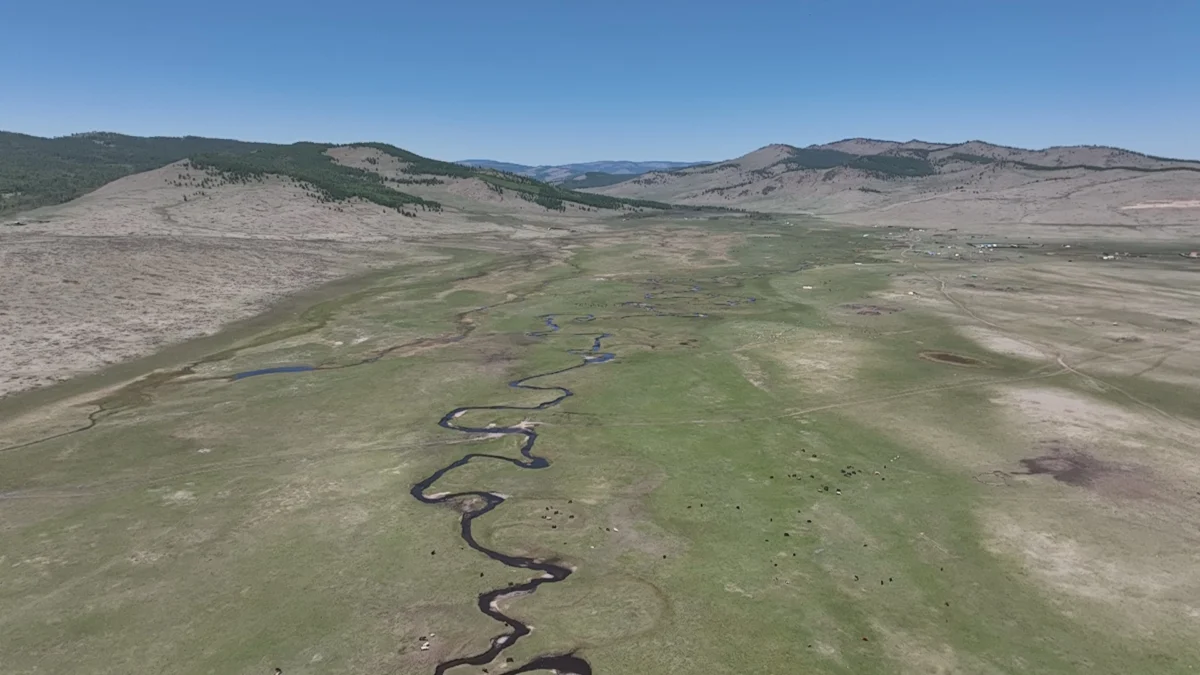
International delegates gathered in Ulaanbaatar, Mongolia, for the United Nations Convention to Combat Desertification (UNCCD) Conference of the Parties (COP17) have voted to defer definitive negotiations on global drought management strategies until the next summit in Egypt in 2028. The decision has drawn sharp criticism from environmental organizations, conservationists, and policy experts who point to escalating climate anomalies, worsening dryland degradation, and historic water shortages across multiple continents as evidence of an urgent need for immediate multilateral action.
The postponement comes at a time when cumulative climate pressures are intensifying globally. Rather than establishing a binding framework or unified roadmap for drought resilience, representatives from member states agreed to disagree, effectively tabling the matter for a minimum of two years. Conservation bodies, notably Wetlands International, have expressed profound disappointment, arguing that the delay demonstrates a dangerous disconnect between political negotiation cycles and the rapid pace of environmental degradation.
Background Context of the UNCCD COP17 and Global Drought Pressures
The UNCCD, established in 1994 following the United Nations Conference on Environment and Development in Rio de Janeiro, remains the sole legally binding international agreement linking environment and development to sustainable land management. COP17 convened in Mongolia to address the compounding crises of desertification, land degradation, and drought (DLDD). These phenomena disproportionately impact rural communities, indigenous populations, and agricultural economies across the Global South, though industrialized nations are increasingly vulnerable.
In recent years, the frequency and severity of droughts have accelerated due to anthropogenic climate change and erratic precipitation patterns. The convergence of rising global temperatures with cyclical phenomena such as El Niño has drastically altered hydrological balances worldwide. Southern Africa, the Amazon basin, parts of Central Asia, and Mediterranean Europe have all experienced severe agricultural and hydrological droughts, leading to crop failures, livestock mortality, energy shortages from depleted hydroelectric reservoirs, and heightened risks of localized resource conflicts.
Despite these cascading emergencies, consensus on how to finance, regulate, and implement cross-border drought mitigation measures has eluded delegates. Economic divisions between developed and developing nations regarding loss and damage funding, technology transfer, and adaptation finance have historically complicated UNCCD negotiations. The decision in Ulaanbaatar to push structural drought frameworks to COP18 in Egypt highlights the persistent difficulty of translating scientific warnings into binding geopolitical commitments.
Reactions from Environmental Advocates and Stakeholders
The decision to delay action has reverberated sharply through the conservation community. Richard Lee, Head of Communications for Wetlands International, condemned the outcome during the Mongolia summit, emphasizing the human and ecological toll of bureaucratic inaction.
"Incredibly, governments have failed to agree an approach to tackling drought despite the ever-growing list of drought disasters around the world," Lee stated. "Just this year, Europe has suffered a historic drought, while a strengthening El Niño could fuel devastating droughts from southern Africa to Amazonia. We believed that the world’s worsening droughts would force the world’s governments to act. We were wrong."

Lee further underscored that postponing policy decisions translates directly into compounding crises for vulnerable populations. "Delaying a decision on drought for at least another two years will cost more than time: communities and economies across the world will pay the price," he added. "This was an opportunity for governments to signal their commitment to combating drought and highlight the urgent need to scale up solutions—from reining in climate change to improving water infrastructure, from restoring drylands to investing in healthy freshwater wetlands. They failed."
While official state delegates opted for further debate, numerous national representatives at the Ulaanbaatar conference privately and publicly acknowledged the severity of the crisis. Ministers and high-level officials from nations heavily impacted by land degradation—including Mongolia, Brazil, Kenya, and Zimbabwe—championed alternative frameworks during side events. Many pointed directly to the Freshwater Challenge, currently recognized as the world’s largest freshwater protection and restoration initiative, as a vital operational blueprint for building regional climate resilience.
The Role of Freshwater Ecosystems in Drought Mitigation
With formal intergovernmental frameworks stalled, environmental NGOs and scientific coalitions are shifting their strategic focus toward localized and regional implementation. Wetlands International has announced plans to expand its operational footprint, collaborating directly with grassroots communities, private sector partners, municipal authorities, and national governments to safeguard and rehabilitate critical aquatic ecosystems. Particular priority will be given to ecologically fragile zones such as the Sahel and East Africa, where dryland expansion threatens food and water security for millions.
Scientific consensus increasingly supports the integration of natural infrastructure into national adaptation plans. Healthy freshwater wetlands—including rivers, lakes, floodplains, and peatlands—act as natural sponges. They absorb excess water during periods of heavy rainfall, recharge depleting subterranean aquifers, and slowly release stored water during prolonged dry spells.
Although conservationists stress that wetland restoration is not a standalone remedy for global climate change, it forms an indispensable pillar of comprehensive water resource management. Restoring degraded hydrological networks enhances soil moisture retention, stabilizes microclimates, and buffers agricultural landscapes against sudden meteorological shocks. The failure to embed these nature-based solutions into the final UNCCD COP17 text represents a missed opportunity to align international biodiversity targets with land degradation neutrality goals.
Implications for the Road to COP18 in Egypt
The deferral of drought negotiations to COP18 places heightened pressure on regional bodies, civil society networks, and individual states to advance mitigation strategies independently. Without a centralized UN mandate driving immediate financial mobilization and regulatory harmonization, local initiatives will bear the primary responsibility for drought adaptation.
Financial analysts note that the absence of a unified global drought framework could deter private investment in sustainable land management, as capital markets frequently look to UN-backed treaties for regulatory stability and risk assessment standards. Conversely, grassroots initiatives and multi-stakeholder coalitions may find greater agility in executing targeted conservation projects without the administrative gridlock typical of multilateral climate summits.
As the international community looks ahead to the 2028 conference in Egypt, the burden of proof rests heavily on state actors to demonstrate measurable progress in halting land degradation and enhancing community resilience. In the interim, escalating hydrological extremes will continue to test the adaptive capacity of global food systems, urban water supplies, and rural livelihoods, underscoring the high cost of diplomatic delay.
