
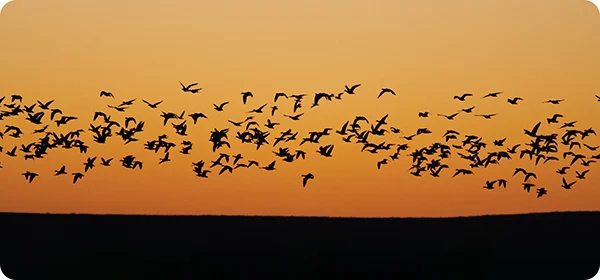
As the calendar turns toward September, North America undergoes a profound ecological transformation that signals the end of summer and the rigorous onset of autumn. This seasonal shift—characterized by cooling temperatures, shortening daylight hours, and changing foliage—not only impacts human routines and landscapes but also initiates one of the most demanding biological periods of the year for native bird populations. For ornithologists, wildlife rehabilitators, and backyard bird enthusiasts alike, early autumn represents a critical juncture where avian species must navigate the dual physiological strains of annual molting and preparation for long-distance migration.
According to observational data from wildlife management organizations and specialized nature networks such as Wild Birds Unlimited (WBU Inc.), the physiological demands placed on birds during this four-to-eight-week window are exceptionally high. Meeting these energetic demands requires distinct behavioral adaptations from wildlife and offers a unique opportunity for backyard conservationists to support local ecosystems through targeted feeding practices.
The Chronology of Autumnal Avian Stress
The transition period for North American birds follows a strict biological timeline dictated by photoperiods—the decreasing duration of daylight. As summer draws to a close, avian species finish their parental duties, concluding months of territorial defense, nest building, and chick-rearing. With breeding season in the rear-view mirror, birds immediately pivot to two simultaneous or sequential survival challenges: molting and migration.
By early September, many species begin the exhaustive process of replacing worn, damaged feathers accumulated over the spring and summer. Molting is a systemic biological undertaking that requires the shedding and regeneration of an entire body of plumage. Simultaneously, migratory species—ranging from warblers and thrushes to larger waterfowl—begin experiencing restless nocturnal activity known as Zugunruhe, an innate migratory restlessness triggered by declining daylight.
Throughout September and into October, these birds must prepare for journeys spanning hundreds or thousands of miles. For small migratory songbirds, this involves a rapid hyperphagic phase—a period of compulsive overeating designed to double their baseline body weight by accumulating dense layers of subcutaneous fat. This fat serves as the primary metabolic fuel source required to sustain hours of continuous, nonstop flight over varied terrain, including open water and urban expanses.

Physiological Demands: Protein and Lipid Deficits
The biological mechanisms driving both molting and migration leave very little margin for error. Ornithological studies emphasize that failure to secure proper nutrition during this narrow autumn window can severely compromise a bird’s chances of survival during the harsh winter months or jeopardize its migratory journey.
Feathers are composed almost entirely of keratin, a specialized structural protein. Consequently, during the peak weeks of the molt, a bird’s metabolic need for dietary protein increases exponentially. Without adequate protein intake, newly grown feathers may exhibit structural weaknesses, rendering them inefficient for flight insulation or waterproofing.
Concurrently, migratory species face a severe caloric deficit. To double their body weight in a matter of weeks, migrants must consume foods rich in lipids and complex carbohydrates. In natural settings, this coincides with the transition of summer flowers into autumn seed heads, wild berries, and mast crops such as acorns and beechnuts. However, habitat fragmentation, urbanization, and changing climate patterns increasingly disrupt the natural abundance and reliability of these wild food sources.
Backyard Conservation and Supplemental Feeding Strategies
As natural ecosystems face growing pressures from human development, wildlife experts and specialty retailers are placing increased emphasis on the role of private yards in supporting migratory and resident birds. Providing high-energy supplemental feeding stations has become a recognized conservation practice, helping bridge the nutritional gap for birds facing intense metabolic demands.
Avian nutritionists recommend shifting backyard offerings during the autumn transition to focus heavily on high-protein and high-lipid foods. Key nutritional components recommended for autumn feeding stations include:
- Specialized Seed Blends: Premium mixtures designed to provide dense caloric intake without empty filler grains.
- Peanuts and Sunflower Chips: High-fat, high-protein food sources that are easily digestible for smaller songbirds and woodpeckers alike.
- Nyjer® (African thistle seed): Valued by finches and smaller migratory species for its high oil content.
- Suet and Bark Butter® Products: Rendered animal fats mixed with proteins, insects, and seeds, offering an essential concentrated energy source for both molting residents and arriving migrants.
According to John and Brian, wildlife educators and hosts of the Nature Centered Podcast produced by WBU Inc., strategically stocking feeders with these high-grade provisions not only aids struggling wildlife but profoundly enhances the backyard observer’s engagement with nature. By aligning backyard offerings with the natural biological calendar of local wildlife, observers can attract a diverse array of species while witnessing firsthand the dramatic life cycles unfolding just outside their windows.

Broader Ecological Implications and Expert Analysis
The intersection of climate change, habitat loss, and seasonal avian transitions has drawn increasing attention from conservation scientists. As weather patterns become more erratic and autumn temperatures shift later into the year, the timing cues—or phenology—that trigger migration and molting can become desynchronized with natural food availability.
Ecological analysts note that dependable supplemental feeding stations act as vital stepping stones along major migratory flyways. While feeders should not be viewed as a replacement for natural habitats, they serve as crucial ecological buffers that help mitigate the stresses of habitat fragmentation and resource scarcity.
As communities across North America watch the leaves change color and prepare for the colder months ahead, the plight of the region’s bird population highlights a delicate interdependence between human environments and wild ecosystems. Through informed observation, habitat preservation, and targeted nutritional support during nature’s most intense transitional phase, backyard conservationists play a meaningful, measurable role in sustaining local avian biodiversity for generations to come.
