
The arrival of spring and summer brings a profound transformation to backyards across North America, marked most distinctly by the vibrant activity of nesting birds and the emergence of a new generation of wildlife. For millions of homeowners and amateur ornithologists, the seasonal shift is heralded by the sights and sounds of fledglings making their precarious first appearances near backyard habitats and feeding stations. Wildlife experts and conservation organizations, including Wild Birds Unlimited (WBU), emphasize that this annual cycle offers more than simple aesthetic pleasure; it provides a critical window into the complex ecological relationships between human-provided resources and avian survival rates.
Main Facts and Seasonal Overview
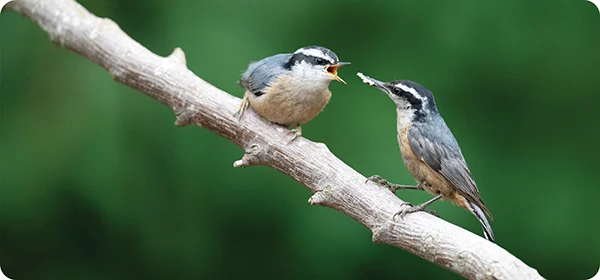
As temperatures rise, local bird populations enter their primary reproductive period. This phase is characterized by intense territorial establishment, nest construction, egg-laying, and the subsequent feeding of demanding young. Observers frequently witness the charming, if chaotic, interactions between adult birds and their offspring. Newly fledged bluebirds are often escorted to backyard feeders by their vigilant fathers, while juvenile chickadees and American goldfinches display persistent, energetic behaviors, relentlessly demanding food from exhausted parents. Meanwhile, local woodpecker populations offer unique entertainment, as clumsy juveniles attempt to master the mechanics of suspended bird feeders or wait patiently in nearby trees for adults to deliver high-energy morsels such as suet or specialty nut blends.
These observable moments represent the culmination of months of preparation and instinctual drives. However, the success of these broods is heavily influenced by environmental factors, food availability, and the intentional habitat management practices adopted by property owners.
Chronology of the Avian Breeding Season
Understanding the avian reproductive cycle requires examining the sequential stages that birds undergo from late winter through mid-summer. While exact timelines vary by geographic region, species, and climatic conditions, the broader chronological progression remains consistent:
- Pre-Breeding and Territory Establishment (Late Winter to Early Spring): As daylight hours increase, birds begin establishing territories and seeking mates. During this critical preparatory phase, access to reliable nutrition dictates physical condition. Scientific studies indicate that females with access to supplemental feeding sources achieve optimal body condition faster than those relying solely on foraging in natural landscapes.
- Nest Site Selection and Construction (Early to Mid-Spring): Once paired, breeding females dedicate substantial time to locating secure nesting sites and gathering construction materials. Supplemental food sources reduce the time required for daily foraging, allowing females to invest greater energy into building durable, well-insulated nests and carefully selecting predator-resistant locations.
- Egg-Laying and Incubation (Mid-Spring): Research demonstrates that birds utilizing reliable backyard feeders frequently initiate egg-laying earlier in the season compared to populations without access to supplemental resources. Early broods benefit significantly from reduced environmental competition and more favorable weather conditions.
- Hatching and Fledging (Late Spring to Summer): Upon hatching, nestlings experience rapid growth phases requiring high protein and calcium intake. Parent birds actively forage for a diverse array of insects, seeds, and specialized foods. Once fledglings leave the nest, they spend several weeks learning survival skills under parental supervision, frequently utilizing backyard feeding stations as predictable food sources while refining their foraging techniques.
Supporting Data and Ornithological Research
The impact of backyard conservation efforts on avian reproductive success is supported by extensive scientific literature. Ornithological studies consistently highlight the direct correlation between supplemental feeding, habitat quality, and fledgling survival rates.

Data compiled by wildlife researchers reveals several key findings regarding breeding birds:
- Advanced Laying Dates: Birds with consistent access to backyard feeders lay their clutches an average of several days to a week earlier than wild counterparts in unsupplemented control groups. Earlier nesting directly correlates with higher annual productivity and lower juvenile mortality.
- Enhanced Maternal Investment: With foraging time reduced by up to 30 percent near abundant feeding stations, breeding females allocate more time to territory defense, vigilance against avian and mammalian predators, and environmental monitoring.
- Nutritional Stability and Sibling Dynamics: Access to high-protein, energy-dense foods during the nestling phase directly reduces aggressive competition among nest siblings. Adequate nutrition promotes uniform growth rates, stronger immune systems, and higher overall mass at the time of fledging, which significantly increases long-term survival probability.
Habitat Management and Environmental Best Practices
While food provisioning plays a vital role in supporting breeding families, wildlife biologists stress that successful backyard conservation requires a holistic approach encompassing habitat diversity and protective infrastructure.
The Importance of Natural Habitats
Immaculately manicured lawns, while aesthetically pleasing to some human observers, often present biological deserts for native birds. Pristine yards frequently lack the structural diversity, native plant life, and decaying organic matter necessary to support robust insect populations—the primary food source for nestlings. Conservationists recommend adopting a slightly more relaxed approach to yard maintenance, often referred to as keeping a "messy yard." Leaving leaf litter, brush piles, and dead standing trees (snags) provides essential foraging grounds and natural building materials. Furthermore, planting native trees, shrubs, and wildflowers ensures that specialized insects and seasonal berries are readily available to local fauna.
Nesting Infrastructure and Weather Protection
Beyond foraging habitat, the installation of properly designed and scientifically positioned nesting boxes can dramatically improve nesting success rates. Nest boxes offer critical protection against extreme weather events, such as unseasonal cold snaps, heavy spring rains, and high winds, which frequently decimate early broods. Proper box placement, appropriate hole sizing, and predator guards are essential components of responsible backyard wildlife management.
Specialized Nutritional Requirements
During the demanding reproductive season, standard mixed seeds may not fulfill the elevated physiological requirements of breeding birds. Avian nutritionists note that nesting parents and growing fledglings require substantial amounts of protein and calcium for feather development and bone growth. Specialty blends, such as WBU’s Nesting SuperBlend—formulated with sunflower chips, peanuts, mealworms, calcium-rich ingredients, and specialized nut bits—are designed to meet these exact biological demands. Similarly, high-fat supplements like Bark Butter provide immediate, easily digestible energy for foraging parents managing multiple broods.
Broader Impact and Implications for Urban Conservation
The collective efforts of backyard bird enthusiasts contribute meaningfully to broader avian conservation initiatives. As natural habitats face increasing fragmentation due to urbanization, agricultural expansion, and climate change, suburban and rural backyards serve as critical ecological stepping stones.

Ornithologists point out that localized feeding and habitat enhancement programs help stabilize populations of migratory and resident species alike. By maintaining supportive environments, property owners actively mitigate some of the pressures associated with habitat loss. Furthermore, public participation in backyard bird watching fosters a deeper appreciation for biodiversity and environmental stewardship. Educational platforms, such as the Nature Centered Podcast and community science projects like the Great Backyard Bird Count, leverage public engagement to gather valuable data on population trends and seasonal behaviors.
Ultimately, the seasonal influx of fledgling birds serves as a visible indicator of a healthy local ecosystem. The interplay between thoughtful human intervention—through targeted feeding, native landscaping, and protective housing—and natural avian resilience creates a symbiotic relationship that enriches both the natural world and the human experience. As conservation science continues to evolve, the backyard remains a frontline venue for grassroots wildlife preservation, proving that individual actions, when multiplied across millions of households, can exert a profoundly positive influence on the natural world.
