
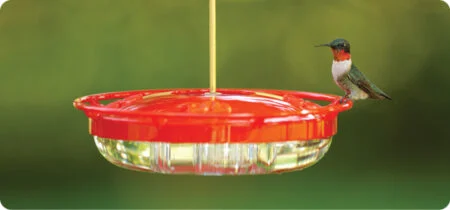
The arrival of spring heralds one of the most anticipated events in the North American natural calendar: the northward migration of hummingbirds. For millions of backyard bird enthusiasts, the appearance of the season’s first hummer signals the vibrant return of biodiversity after the dormant winter months. According to wildlife experts at Wild Birds Unlimited (WBU), this annual migration is the culmination of an arduous, thousands-of-mile journey that spans from Central America and Mexico into the United States and Canada. While the wait can test the patience of nature lovers, ornithologists and backyard habitat specialists emphasize that preparing yards early yields immense rewards, transforming ordinary outdoor spaces into bustling avian sanctuaries that thrive until the end of summer.
Geographic Variations in Migration and Breeding Patterns
The timing and species of hummingbirds encountered vary significantly by region, reflecting the complex ecological corridors these tiny birds navigate. In the eastern half of the North American continent, the Ruby-throated Hummingbird (Archilochus colubris) reigns supreme as the primary migratory visitor. These resilient flyers cross the Gulf of Mexico in a non-stop, 500-mile endurance test over open water, a feat made possible by doubling their body weight in fat prior to departure.
Meanwhile, western regions experience a more diverse array of species, including the Black-chinned, Rufous, and Broad-tailed hummingbirds. Each species adheres to finely tuned evolutionary timelines, arriving in specific locales as native wildflowers begin to bloom and insect populations surge to provide necessary protein.
In stark contrast to their migratory counterparts, some populations on the Pacific Coast remain sedentary year-round or initiate their breeding cycles much earlier. Residents in far western states—such as California, Oregon, and Washington—frequently host year-round or early-nesting species, including Anna’s, Costa’s, and Allen’s hummingbirds. In these microclimates, nesting often begins as early as January or February. By the time spring arrives in the rest of the country, these western residents are already busy rearing their second generation of young, shifting the local focus from migration watch to observing newly fledged juveniles making their inaugural trips to backyard feeders.
The Physiological Marvel of Hummingbirds
Beyond their aesthetic appeal, hummingbirds represent extraordinary feats of avian physiology, making close observation at backyard feeders a fascinating study in biology. Weighing typically between two and four grams—less than a standard nickel—these birds possess metabolic rates that are among the highest in the vertebrate kingdom. Their hearts can beat upwards of 1,200 beats per minute during flight, and their wings can flap at frequencies ranging from 50 to 80 beats per second, creating the characteristic audible hum.
A common misconception among casual observers is that hummingbirds feed by using their bills like a straw to suction up nectar. In reality, scientific studies utilizing high-speed videography have revealed a far more complex mechanism. Hummingbirds lap up nectar using a specialized, forked tongue equipped with tiny, hair-like structures called lamellae. As the tongue enters the fluid, these microscopic grooves open to trap the nectar and then snap shut as the tongue retracts into the bill. This rapid lapping action occurs at a staggering rate of up to 12 to 20 times per second.
Observing this phenomenon requires specialized equipment, as the speed of the action renders it nearly invisible to the naked eye. Wildlife conservationists and feeder manufacturers have responded by designing specialized equipment, such as clear-plastic-based window feeders, which allow naturalists to view the mechanics of feeding from underneath or through glass panes. Seeing the rapid, darting movement of the tongue provides backyard observers with a rare glimpse into the specialized adaptations that allow these creatures to survive.

Ecological Importance and Habitat Integration
Ornithologists stress that hummingbirds are not merely backyard novelties; they play a critical ecological role as pollinators. As they hover from flower to flower in search of high-energy sucrose, pollen grains adhere to their foreheads, feathers, and bills. This pollen is subsequently transferred to other plants, facilitating cross-pollination for a wide variety of native flora, including tubular wildflowers, shrubs, and trees.
To successfully attract and sustain hummingbird populations throughout the spring and summer, wildlife experts recommend a dual approach: installing clean, well-maintained nectar feeders and cultivating a landscape rich in native plants. While commercial nectar—a simple mixture of four parts water to one part refined white sugar—provides immediate caloric energy, native flowering plants supply essential supplemental nutrients, including small insects and spiders that furnish necessary proteins and amino acids for nesting females and growing chicks.
Conservationists advise against the use of red food coloring in homemade nectar solutions, noting that clear sugar water is entirely sufficient and safer for the birds’ delicate digestive systems. Furthermore, regular cleaning of feeders—ideally every three to five days, or more frequently during periods of high heat—is paramount to prevent the growth of harmful molds and bacteria that can prove fatal to visiting wildlife.
Expert Insights and Community Engagement
As public interest in backyard conservation continues to surge, organizations like Wild Birds Unlimited leverage educational platforms to deepen the public’s understanding of avian species. Through initiatives such as the Nature Centered Podcast—featuring discussions hosted by natural science educators like John and Brian—experts delve into the nuances of bird behavior, habitat creation, and seasonal migration tracking.
According to WBU representatives, engaging the community in citizen science projects, such as reporting the first local sighting of a migrating hummingbird through platforms like Journey North, provides vital data to researchers tracking the impacts of climate change on avian migration patterns. Shifts in spring temperatures and blooming cycles can disrupt the delicate synchronization between a hummingbird’s arrival and the availability of its natural food sources, making backyard feeding stations an increasingly important supplemental resource for weary travelers.
Broader Environmental Implications and Future Outlook
The journey of the hummingbird serves as a microcosm of broader environmental challenges facing migratory wildlife across the globe. Habitat fragmentation, deforestation along wintering grounds in Central and South America, pesticide use, and the impacts of shifting weather patterns pose ongoing threats to the survival of these migratory species.
Environmental scientists emphasize that residential yards, when managed with wildlife in mind, can function as vital stepping stones or micro-habitats within increasingly urbanized landscapes. By planting native species, eliminating harmful chemical pesticides, and maintaining reliable food and water sources, homeowners contribute directly to the resilience of local ecosystems.

Ultimately, the arrival of the first hummingbird of the season is more than a welcome sight for backyard enthusiasts; it is a powerful reminder of the interconnectedness of hemispheric ecosystems. As these tiny ambassadors complete their monumental migration, they bring with them a renewed appreciation for the natural world, inspiring communities to foster environments where both wildlife and humans can thrive together through the changing seasons.
