
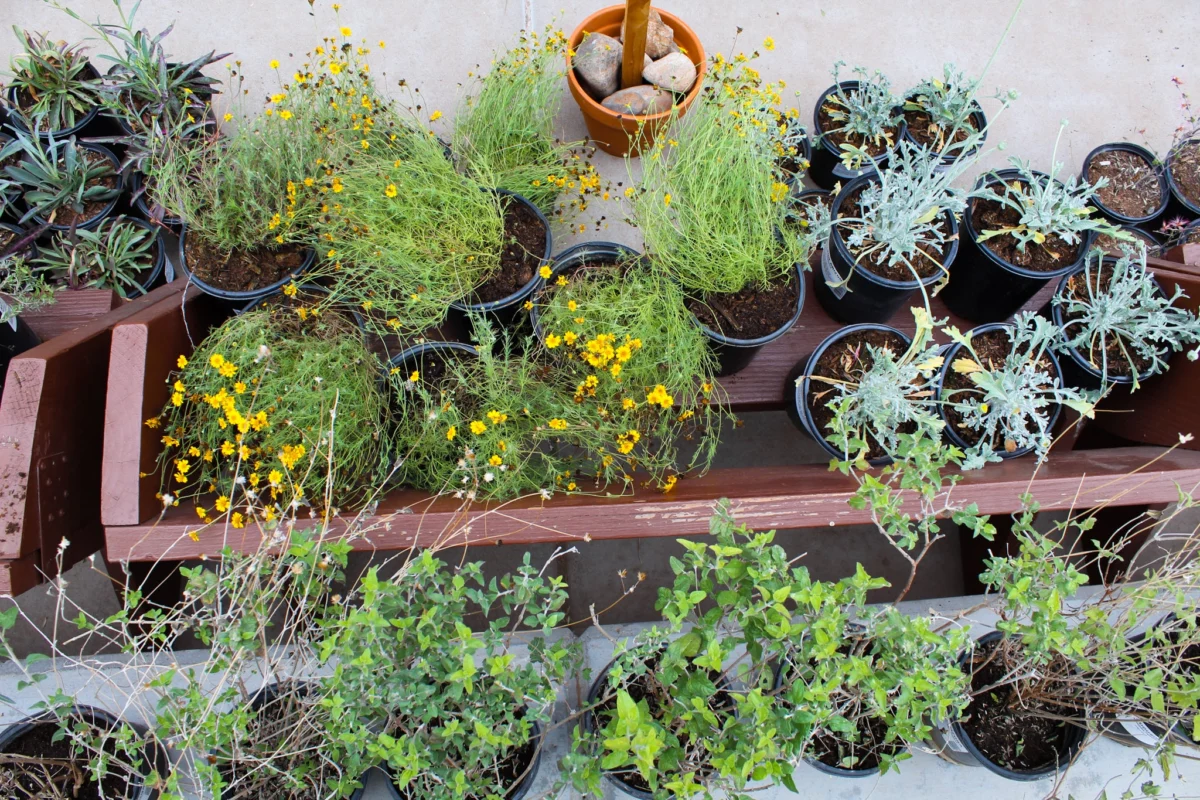
The movement toward urban rewilding has gained significant momentum as residents of the American Southwest look to integrate biodiversity into increasingly dense living environments. While balconies, patios, and small courtyards are often viewed as restrictive, horticultural experts and conservationists suggest these micro-environments serve as critical "stepping stones" for migratory birds and local pollinators. By leveraging native plant species and climate-appropriate container gardening techniques, urban dwellers are successfully mitigating the "heat island" effect while fostering ecological corridors that support regional wildlife populations.
The Challenge of the Arid Urban Landscape
The Southwest presents a unique set of challenges for the amateur gardener, characterized by extreme diurnal temperature fluctuations, intense UV radiation, and chronic water scarcity. In an urban setting, these conditions are amplified by heat-retaining concrete and reflective glass surfaces. Data from the National Weather Service indicates that urban centers in regions like Arizona and New Mexico frequently experience temperatures five to ten degrees higher than surrounding rural areas due to the prevalence of non-porous surfaces.
Despite these environmental stressors, the push to green small urban spaces is rooted in a growing body of ecological research. According to studies conducted by conservation organizations such as the National Audubon Society, local ecosystems are often fragmented by urban development. By introducing native flora, individuals can provide essential resources for bird species that rely on specific nectar and seed sources, which are often absent in conventional, non-native landscaping.
Chronology and Evolution of Container Gardening
Historically, gardening in the arid Southwest was dominated by water-intensive, non-native aesthetics. However, a significant shift in public policy and personal environmental stewardship began in the early 2000s, coinciding with prolonged regional droughts. Local water authorities and university extension programs began promoting "Xeriscaping"—a method of landscaping that reduces or eliminates the need for irrigation.
The transition toward container-based native gardening occurred in phases:
- 2005–2012: Initial focus on public education regarding water conservation and the replacement of lawns with gravel or drought-tolerant ground covers.
- 2013–2018: The emergence of "vertical gardening" as a solution for urban apartment dwellers, with a focus on modular systems and wall-mounted planters.
- 2019–Present: A surge in interest regarding biodiversity, with a specific focus on "pollinator pathways" and the use of native, container-friendly plants to support migratory species like hummingbirds and various finch populations.
Strategic Infrastructure: Beyond the Potted Plant
For those operating within limited square footage, the success of a native garden depends heavily on infrastructure choices. Agricultural extension experts emphasize that the material and size of containers play a pivotal role in plant survival.
"When gardening in a desert climate, the container is not just a vessel; it is a life-support system," says a horticultural consultant familiar with regional extension programs. "Plastic containers, while lightweight, often heat up rapidly, potentially cooking root systems. Terracotta provides better breathability but requires more frequent watering. The consensus among professionals is the use of larger-volume pots, which offer thermal mass, helping to insulate roots against the extreme heat of the afternoon sun."
Furthermore, the implementation of "sail shades" or specialized agricultural cloth has become a standard practice for balcony gardeners. These materials reduce the intensity of direct sunlight by 30 to 50 percent, allowing shade-sensitive native species to thrive in environments that would otherwise result in desiccation.
Native Plant Selection and Ecological Impact
The selection of flora is the most critical variable in the success of an urban garden. Native plants have evolved over millennia to withstand the specific stressors of the Southwest, including low humidity and periodic drought.
Key species identified by conservationists for container cultivation include:
- Agave and Aloe Vera: These succulents are highly drought-tolerant and provide nectar for hummingbirds.
- Desert Willow (Chilopsis linearis): A shrub that thrives in pots and attracts a variety of pollinators.
- Penstemon: Known for its vibrant tubular flowers, it is a primary resource for nectar-feeding birds.
- Desert Marigold and Sunflowers: These species provide essential seeds for granivorous birds such as Goldfinches and Sparrows.
Research suggests that by prioritizing these native plants, urban gardeners can create "micro-habitats" that help compensate for the loss of native scrubland. A report by the Xerces Society notes that even a small collection of native plants on a balcony can significantly increase the presence of native bee species, which are essential for the pollination of both wild and cultivated plant life in the region.
Soil Health and Maintenance Protocols
The success of a small-space garden is inextricably linked to the quality of the growing medium. Standard potting soils often lack the necessary drainage properties required for native desert species, which are accustomed to rocky, well-draining soils.
"The objective is to simulate the natural drainage found in the native environment," notes an expert from an arid-lands university research center. "Adding perlite or pumice to a high-quality organic compost mix is essential. It prevents the soil from becoming compacted, allowing oxygen to reach the roots, which is a common failure point for novice gardeners."
Furthermore, the practice of mulching—applying a layer of organic material or inorganic gravel to the surface of the soil—is essential for water retention. By reducing evaporation, gardeners can maintain stable soil moisture levels even during the hottest months, significantly reducing the total water demand of the garden.
Economic and Environmental Implications
The movement toward small-space native gardening carries broader implications for urban sustainability. As cities continue to densify, the "greening" of balconies and patios serves as a form of private-sector climate adaptation.
From an economic perspective, there is a clear benefit to utilizing native, drought-tolerant plants. They require fewer chemical fertilizers and pesticides, as they have evolved to manage local pests and soil conditions. This reduces the household expenditure on maintenance and limits the runoff of chemicals into the municipal water system.
From an environmental standpoint, the collective impact of thousands of small, native-planted balconies can create a "soft" urban canopy. This canopy helps to trap particulate matter, improve air quality, and provide essential waypoints for urban wildlife. The integration of these spaces is increasingly viewed by urban planners as a key component of sustainable city design, shifting the paradigm from viewing urban centers as "nature-less" zones to seeing them as potential hubs for biodiversity.
Future Outlook and Conclusion
The transition toward thriving urban gardens in the Southwest is a long-term process that requires a departure from traditional, high-maintenance gardening habits. The data is clear: starting small, selecting appropriate native species, and investing in high-quality infrastructure are the cornerstones of a successful balcony or patio oasis.
As more residents adopt these practices, the potential for building resilient urban environments grows. While individual efforts may seem modest in scale, the cumulative effect of these micro-gardens acts as a vital counterweight to the encroachment of urban development on natural habitats. Through patience, seasonal planning, and a commitment to native biodiversity, the arid urban environment is slowly being reclaimed, one container at a time, creating a more sustainable and vibrant future for both human and animal residents alike.
