
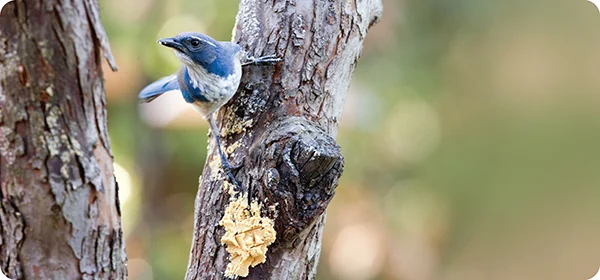
The traditions of harvest celebrations and Thanksgiving have long centered on gathering loved ones around an abundant table filled with seasonal delicacies, entertainment, and reflection. However, a growing movement among conservationists, ornithologists, and backyard hobbyists has expanded the guest list of these holiday feasts to include local wildlife. As households across North America prepare for annual holiday gatherings, wildlife experts are advocating for backyard bird enthusiasts to extend their hospitality to avian populations. By upgrading feeding stations with nutrient-rich foods and maintaining clean watering holes, citizens can support overwintering migratory songbirds while creating a dynamic, natural form of holiday entertainment for family and friends.
Background Context of Backyard Bird Feeding Traditions
The practice of feeding backyard birds has evolved significantly over the past century, transitioning from a casual winter hobby into a scientifically supported conservation effort. Historically, supplemental feeding began as a charitable act by homeowners seeking to help local birds survive harsh winter conditions when natural food sources became scarce under snow and ice. Over decades, ornithological research conducted by institutions such as the Cornell Lab of Ornithology and organizations like Wild Birds Unlimited (WBU) has illuminated the critical ecological role that backyard habitats play in supporting biodiversity.
Urbanization, agricultural expansion, and habitat fragmentation have steadily reduced the availability of native seed-bearing plants, insects, and protective cover. Consequently, residential yards have transformed into vital urban wildlife corridors. Providing reliable sources of high-energy foods during the autumn and winter months helps mitigate the metabolic challenges faced by small birds, which must expend significant energy just to maintain core body temperatures during freezing nights. Integrating these feeding stations into holiday routines aligns human celebration with environmental stewardship, transforming the backyard into an interactive sanctuary.
Crafting the Ultimate Avian Menu
Just as human hosts meticulously plan Thanksgiving menus featuring roasted meats, seasonal vegetables, and decadent desserts, avian specialists recommend curating a diverse menu tailored to the nutritional needs of various bird species. A standard foundational offering typically includes a high-quality seed blend containing millet, sunflower seeds, and cracked corn, which attracts ground-feeding species such as juncos, sparrows, and doves.
To elevate the seasonal offering to a true feast, experts suggest incorporating specialized high-fat items that provide essential caloric density. Suet cakes, mealworms, and peanut-based products offer the rapid energy reserves that insectivorous and omnivorous birds require. Furthermore, specialized offerings such as Nyjer® seed—favored by small finches—and proprietary winter seed blends formulated with elevated fat and protein contents ensure that visiting species receive optimal nourishment.
Equally important to the menu is the presentation. Wildlife biologists emphasize the necessity of maintaining impeccable feeding hygiene. Just as human hosts sanitize dining ware and serve fresh provisions, backyard bird enthusiasts must routinely clean feeders and supply fresh, unfrozen water. Neglected feeders can harbor pathogens, bacteria, and mold that pose severe health risks to avian populations, turning a well-intentioned gesture into a hazard. Clean feeding stations prevent the spread of diseases such as avian pox and salmonellosis, safeguarding the very populations homeowners wish to support.
The Broader Ecological Impact of Consumer Choices
The intersection of holiday traditions and wildlife conservation extends far beyond the backyard boundary. Consumer habits during the holiday season—particularly regarding food and beverage procurement—have profound global implications for migratory songbirds that spend their winters in tropical climates.

Coffee, a staple of post-feast gatherings and holiday desserts, plays a pivotal role in the survival of dozens of North American migratory bird species. Traditional coffee farming methods often involve clear-cutting tropical rainforests to plant coffee bushes in direct sunlight, a practice known as sun-grown farming. This deforestation destroys critical winter habitats for more than 42 species of North American migratory songbirds, including various warblers, thrushes, and tanagers, which depend on complex forest canopies for shelter and food during the non-breeding season.
Conversely, shade-grown, bird-friendly coffee cultivation preserves the native forest canopy, allowing migratory birds to coexist within agricultural landscapes. By consciously choosing certified shade-grown coffee, consumers actively contribute to international conservation efforts. Environmental economists and agricultural scientists note that shifting consumer demand toward sustainable, bird-friendly products creates vital economic incentives for tropical farmers to preserve forest canopies, directly linking a slice of holiday pie in North America to the preservation of ecosystems thousands of miles away.
Expert Insights and Official Responses
Industry leaders and ornithological researchers stress that engaging with backyard nature offers measurable psychological and educational benefits for humans, particularly during high-stress holiday periods. According to behavioral studies referenced by nature and hobby organizations, observing wildlife reduces cortisol levels, fosters a sense of calm, and encourages children to develop an early appreciation for natural sciences.
John and Brian, hosts of the WBU Nature Centered Podcast, have extensively explored the dynamics of backyard bird feeding during seasonal transitions. In their specialized programming, including episodes dedicated to holiday wildlife engagement, the experts emphasize that attracting a diverse array of species requires understanding natural foraging behaviors and seasonal dietary shifts.
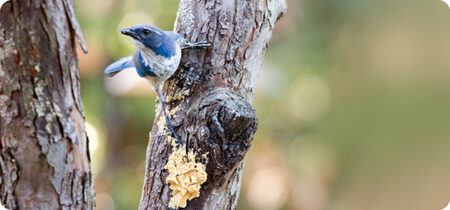
"When people invest time in curating their backyard habitats, they are not merely feeding birds; they are creating an immersive, living classroom," notes commentary from wildlife education advocates. "The backyard becomes a focal point for family engagement, where generations can share observations, identify unfamiliar visitors, and discuss the broader interconnectedness of local ecosystems."
Furthermore, conservation groups continue to promote foundational guidelines for wildlife stewardship. Initiatives such as the Cornell Lab of Ornithology’s Seven Simple Actions campaign provide actionable frameworks for homeowners to maximize their positive impact. These recommendations extend beyond feeding to include keeping cats indoors, preventing window collisions, eliminating pesticide use, and planting native vegetation that sustains local insect and avian webs throughout the year.
Broader Implications and Future Outlook
As suburban sprawl continues to encroach upon natural habitats, the role of private residential properties in wildlife conservation will only grow in significance. Urban ecologists project that backyard feeding stations and native plant landscaping will serve as critical life-support systems for stabilizing populations of declining migratory and resident bird species.
The convergence of holiday feasting traditions and backyard conservation highlights a cultural shift toward more mindful, ecologically conscious celebrations. By viewing wildlife not as passive backdrop scenery, but as valued participants in seasonal gatherings, communities can foster a deeper ethos of environmental responsibility. Whether through the meticulous cleaning of a tube feeder, the selection of shade-grown coffee, or the implementation of comprehensive backyard habitat improvements, individuals possess the capacity to influence local biodiversity positively while enriching their own holiday experiences. Ultimately, combining human celebration with active avian stewardship demonstrates that the spirit of gratitude and sharing can successfully transcend species lines.
