
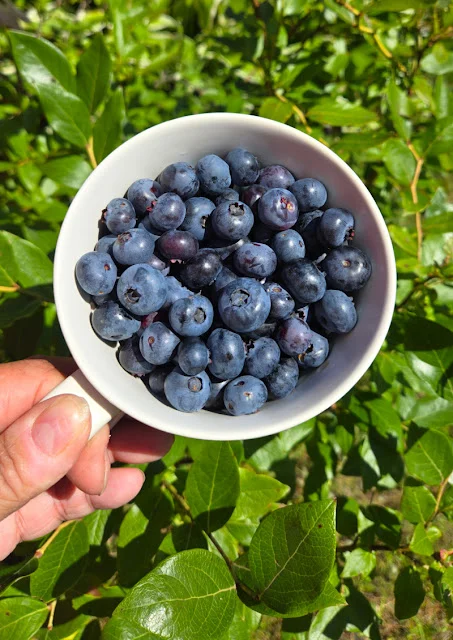
The inclusion of supplemental produce in the diet of backyard poultry has become a focal point of modern small-scale agricultural management. Among the various fruits and vegetables commonly offered to domesticated birds, blueberries (Vaccinium corymbosum and Vaccinium angustifolium) have emerged as a premier dietary addition. As backyard chicken keeping continues to grow in popularity across North America and Europe, poultry enthusiasts and animal nutritionists alike have increasingly focused on the specific physiological benefits that these nutrient-dense berries provide to avian health.
Nutritional Profile and Avian Physiology
Blueberries are frequently categorized as a "superfood" due to their high concentration of bioactive compounds. From a biochemical perspective, these berries provide a complex array of micronutrients that directly influence the metabolic and immune functions of chickens.

Key nutritional components include:
- Vitamins C and K: Vitamin C serves as a potent antioxidant, helping to mitigate heat stress—a significant concern for poultry keepers during summer months—while Vitamin K is essential for proper blood coagulation and bone metabolism.
- Anthocyanins: These flavonoids are responsible for the deep blue pigment of the fruit. In avian research, anthocyanins have been linked to reduced oxidative stress and systemic inflammation, potentially protecting heart health and neurological function in aging birds.
- Manganese and Potassium: Essential minerals that support skeletal integrity and fluid balance within the cellular structure of the bird.
- Prebiotic Content: Blueberries contain natural fibers that serve as substrates for beneficial gut microbiota. By promoting a healthy microbiome, these berries assist in the efficiency of nutrient absorption and provide a defense against pathogenic colonization in the digestive tract.
A Chronology of Dietary Integration in Poultry Husbandry
The historical transition of backyard poultry keeping from a purely utilitarian enterprise to a more holistic, wellness-focused hobby has influenced dietary trends. In the early 20th century, poultry diets were primarily restricted to cereal grains and kitchen scraps of varying quality. However, the last two decades have seen a paradigm shift.
By the early 2010s, veterinary nutritionists began documenting the effects of high-antioxidant diets on laying hens. Studies indicated that birds provided with varied, nutrient-dense treats showed lower rates of sub-clinical deficiencies. The adoption of blueberries into these regimens mirrored the human "superfood" trend, moving from anecdotal evidence among small-scale farmers to broader recognition as a safe, highly beneficial treat. Today, integrated farm management systems frequently include seasonal fruit distribution as part of a comprehensive enrichment strategy designed to improve both the physical health of the bird and the quality of the eggs produced.

Data-Driven Feeding Guidelines
While the health benefits are well-documented, professional poultry management requires strict adherence to feeding ratios. According to nutritional guidelines established by avian experts, treats—including fruits like blueberries—should never constitute more than 10% of a chicken’s total caloric intake.
For an average-sized hen, this translates to approximately one to two tablespoons of blueberries per day. Exceeding this limit can result in nutritional dilution, where the bird consumes fewer essential proteins and amino acids provided by their primary layer feed. This displacement of nutrient-dense feed can negatively impact egg production and overall growth rates. Consequently, while blueberries are healthy, they must be treated as a supplement rather than a primary food source.
Handling and Safety Considerations
From a food safety and mechanical standpoint, owners must consider the physical size of the fruit in relation to the bird. While adult chickens are generally capable of consuming whole blueberries, younger pullets or smaller ornamental breeds may face a choking hazard if the fruit is particularly large or firm.

Standard industry practice recommends:
- Sizing: Slicing or halving larger berries to ensure easier ingestion.
- Cleanliness: Ensuring that any produce provided is free from pesticides, fungicides, or mold. Washing store-bought berries is mandatory to remove chemical residues, while home-grown berries should be inspected for rot.
- Temperature: During extreme heat, some keepers opt to freeze blueberries before serving them. This not only provides a refreshing treat that helps regulate the bird’s body temperature but also encourages "pecking" behavior, which serves as a form of environmental enrichment.
Comparative Analysis: Domesticated vs. Wild Varieties
There is often debate among poultry keepers regarding the merits of high-bush versus low-bush blueberries. Cultivated high-bush berries, often larger and more water-rich, provide excellent hydration. Native low-bush varieties, frequently found in wild landscapes, are often more concentrated in their phytochemical profiles due to the environmental stressors of their natural habitat.
From an nutritional standpoint, both varieties are equally suitable for avian consumption. The choice between them usually rests on accessibility and cost. The primary objective for the poultry keeper should be the consistency of quality; regardless of the variety, the fruit must be fresh and free from biological contaminants.

Broader Implications for Flock Management
The strategic use of blueberries represents a broader trend in animal husbandry: the move toward preventative health. By utilizing food as medicine, keepers can bolster the immune systems of their flocks, potentially reducing the need for pharmaceutical interventions. The presence of prebiotics in blueberries, for example, helps maintain a robust gut wall, which is the first line of defense against common poultry pathogens like E. coli and Salmonella.
Furthermore, the act of foraging for treats like blueberries provides cognitive stimulation. Poultry are naturally inquisitive, intelligent animals; providing varied food sources prevents the behavioral issues associated with boredom, such as feather picking or aggressive posturing.
Conclusion and Best Practices
The consensus among modern poultry experts is that blueberries are an exemplary addition to a well-rounded diet for both chickens and ducks. They offer a density of vitamins, minerals, and antioxidants that are rarely found in standard commercial feed mixtures.

However, success with this dietary inclusion relies on moderation and safety. Keepers should adhere to the following protocols:
- Treats are supplementary: Maintain the 10% rule to ensure the base diet remains balanced.
- Monitor ingestion: Observe the flock to ensure the size of the berries is appropriate for the individual birds.
- Maintain diversity: While blueberries are excellent, they should be part of a broader, varied diet that includes other healthy greens and grains.
- Consult lists: Always cross-reference any new food item with established databases regarding toxic plants and foods to avoid, such as nightshades or raw, dried beans, which can be detrimental to avian health.
By integrating blueberries into a managed diet, backyard keepers can significantly contribute to the long-term vitality, productivity, and general welfare of their flocks. As the industry continues to evolve, the emphasis will undoubtedly remain on the marriage of natural, nutrient-rich inputs and evidence-based management techniques.
