
Every year on the fourth Sunday of September, the global community observes World Rivers Day, a significant occasion dedicated to acknowledging the ecological, social, and economic value of Earth’s waterways. As part of this year’s commemoration, conservationists are turning their focus toward the Magpie River in northern Quebec—a waterway internationally recognized not only for its world-class whitewater rapids but for its groundbreaking legal status and its role as a vital corridor for migratory birds. Known traditionally as Mutehekau Shipu, the river serves as a powerful symbol of the intersection between Indigenous stewardship, legal innovation, and scientific inquiry.
The Geography and Significance of the Magpie River
The Magpie River, stretching 280 kilometers (174 miles) through the rugged landscape of northern Quebec, is one of the region’s most significant wild rivers. Its watershed is situated on the ancestral territory, or Nitassinan, of two Innu communities: Ekuanitshit and Uashat mak Mani-utenam. For these communities, the river is more than a geographic feature; it is an ancestral artery that has sustained their culture and way of life for generations.
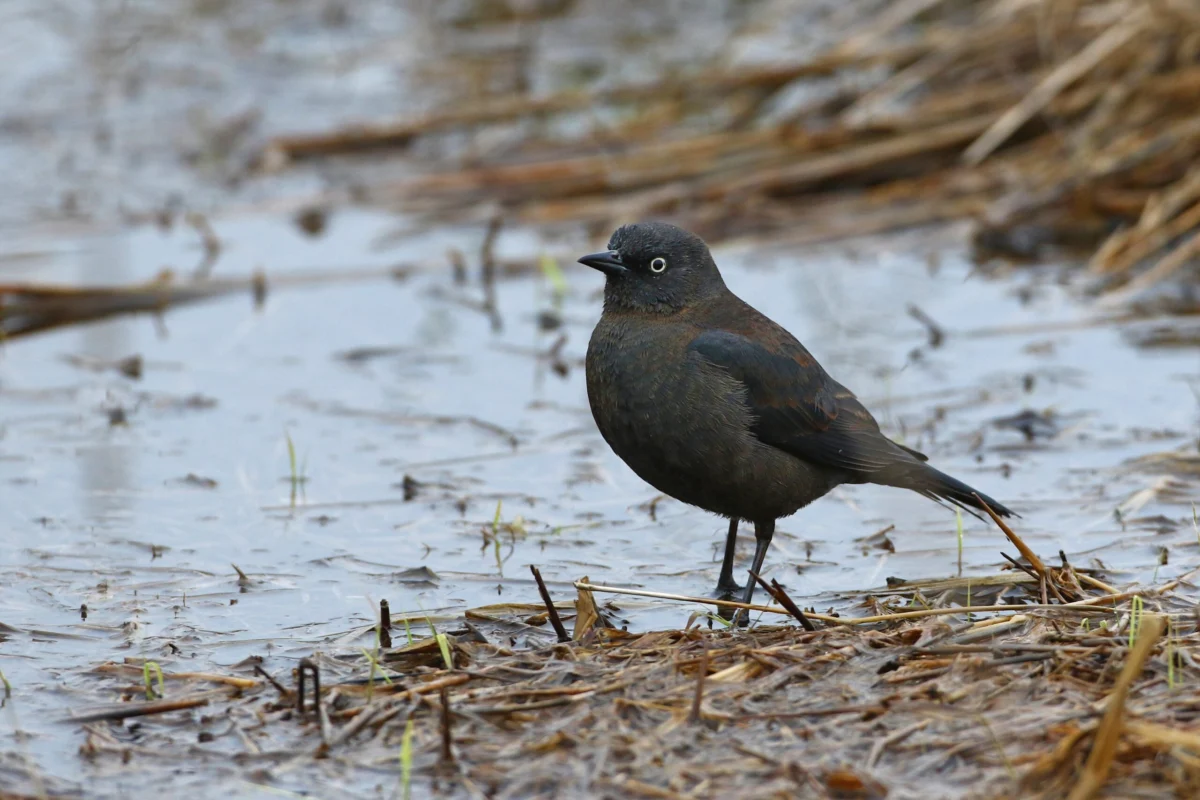
Beyond its cultural importance, the Magpie has achieved global renown among outdoor enthusiasts. It is consistently ranked among the top ten whitewater rivers in the world, attracting paddlers from across the globe to navigate its challenging rapids and pristine wilderness. However, its ecological significance extends far beyond tourism. The watershed acts as a critical biological refuge, supporting a complex array of wildlife species. Among the most notable inhabitants are migratory birds, such as the Common Merganser and the increasingly vulnerable Rusty Blackbird. These species rely on the riparian corridors for nesting, feeding, and resting during their arduous seasonal migrations.
A Legal Landmark: The River as a Person
In a landmark decision that sent ripples through international environmental law, the Magpie River became the first river in Canada to be granted legal personhood in 2021. This move was the result of a collaborative effort between the Innu Council of Ekuanitshit and the regional municipality of Minganie.
By establishing the river as a legal entity, the community effectively codified the river’s right to flow, to exist, and to be protected from environmental degradation. Under this legal framework, the river is represented by guardians—appointed individuals tasked with acting in the best interest of the waterway. This shift from viewing the river as "property" to viewing it as a "legal person" represents a fundamental change in the management of natural resources, aligning Canadian conservation efforts more closely with the traditional ecological knowledge of the Innu people.
Bridging Science and Indigenous Knowledge
To ensure the long-term health of the Magpie and the nearby Moisie River, a new collaborative initiative has been launched. Audubon and SNAP Quebec (Société pour la nature et les parcs du Canada) are working in partnership with the Innu of Ekuanitshit and Uashat mak Mani-utenam to conduct a comprehensive avian census.
The core of this research involves the deployment of autonomous recording units (ARUs) strategically placed along the shores of both river systems. These high-fidelity devices are programmed to activate during specific hours of the day throughout the migration seasons. By capturing the acoustic landscape of the watershed, researchers can document the presence and density of various bird species without the human disturbance that might otherwise skew the data.
This project is not merely an academic exercise; it is an effort to gather the empirical evidence needed to bolster environmental protection policies. By understanding which species utilize these habitats and at what times of the year, conservationists can better advocate for land-use regulations that prioritize the preservation of nesting sites and migratory stopovers.
Chronology of Conservation Efforts
The path to the current status of the Magpie River was not instantaneous. It is the result of years of advocacy and careful negotiation:
- Pre-2010s: The Magpie River faced repeated threats from potential hydroelectric development, which risked altering the river’s flow and destroying the delicate riparian habitat.
- 2018–2020: The Innu of Ekuanitshit and environmental organizations intensified their campaign to protect the watershed, emphasizing that the river’s value as a wild, free-flowing waterway far exceeded its potential as a power source.
- February 2021: The Innu Council of Ekuanitshit and the Minganie Regional County Municipality formally declared the Magpie River a legal entity, marking a historic first in Canada.
- 2023–2024: Scientific initiatives, such as the ARU deployment project, were established to provide a data-driven foundation for the legal status of the river, ensuring that the protection of the waterway is backed by biological evidence.
Supporting Data and Avian Trends
The focus on the Common Merganser and the Rusty Blackbird is deliberate. The Rusty Blackbird, in particular, has seen a dramatic population decline across North America over the past several decades—estimates suggest a decrease of up to 90% since the mid-20th century. Habitat loss, particularly in northern wetlands and riverine corridors, is cited as a primary driver of this decline.
By monitoring these species, researchers hope to create a "canary in the coal mine" scenario. If the populations of these birds remain stable or increase within the Magpie and Moisie watersheds, it indicates that the current protection measures are working. Conversely, any downward trend in the acoustic data will provide an early warning, allowing for adaptive management strategies.
Furthermore, the data collected from the ARUs will be cross-referenced with regional climate data. As northern climates warm, the timing of migration is shifting. Understanding how these shifts correlate with the availability of resources along the Magpie River is vital for predicting how climate change will impact biodiversity in the boreal forest.
Perspectives from Stakeholders
The collaboration between Audubon, SNAP Quebec, and the Innu communities highlights a growing trend in conservation: the integration of Western science with Indigenous land management.
"The protection of the Magpie River is a commitment to the future," noted a representative involved in the project. "By working alongside the Innu, we are learning to see the river not as a resource to be exploited, but as a partner in our shared ecosystem."
From the perspective of the Innu communities, the river is the lifeblood of their territory. The use of modern technology, such as the ARUs, is viewed as a complementary tool that reinforces their long-standing responsibility to steward the land. For the scientific community, the project provides a rare opportunity to study a relatively undisturbed watershed, offering a baseline that is increasingly difficult to find elsewhere in North America.
Implications for Future Conservation
The Magpie River initiative serves as a model for how rivers elsewhere in Canada—and indeed the world—might be protected. The "legal entity" status provides a framework for litigation and policy advocacy that is significantly more robust than traditional conservation easements.
If this model proves successful in protecting the biodiversity of the Magpie and Moisie rivers, it could lead to the replication of this status for other threatened waterways. The implications are significant:
- Policy Shifts: The success of this model could encourage provincial and federal governments to adopt "rights of nature" legislation, moving away from purely economic valuations of natural resources.
- Increased Funding: Clear, data-backed evidence of the ecological importance of a region is more likely to secure funding for further conservation projects.
- Community Empowerment: The success of the Ekuanitshit and Uashat mak Mani-utenam communities demonstrates that Indigenous-led conservation efforts are among the most effective tools for maintaining global biodiversity.
Conclusion
As the world continues to grapple with the dual crises of biodiversity loss and climate change, the Magpie River stands as a beacon of what is possible. Through the combination of legal innovation, rigorous scientific research, and the enduring stewardship of the Innu people, the Magpie is protected not just for the sake of the river itself, but for the countless species that depend on its waters.
As the ARUs continue to record the songs of the Rusty Blackbird and the Common Merganser, they are capturing more than just bird calls; they are recording the success of a new conservation paradigm. The Magpie River serves as a reminder that the health of our waterways is intrinsically linked to our own survival, and that by defending the rights of the river, we are ultimately defending the future of our planet. The data gathered today will form the basis of the conservation strategies of tomorrow, ensuring that the Magpie remains a wild, free-flowing, and vibrant home for the wildlife of northern Quebec.
