
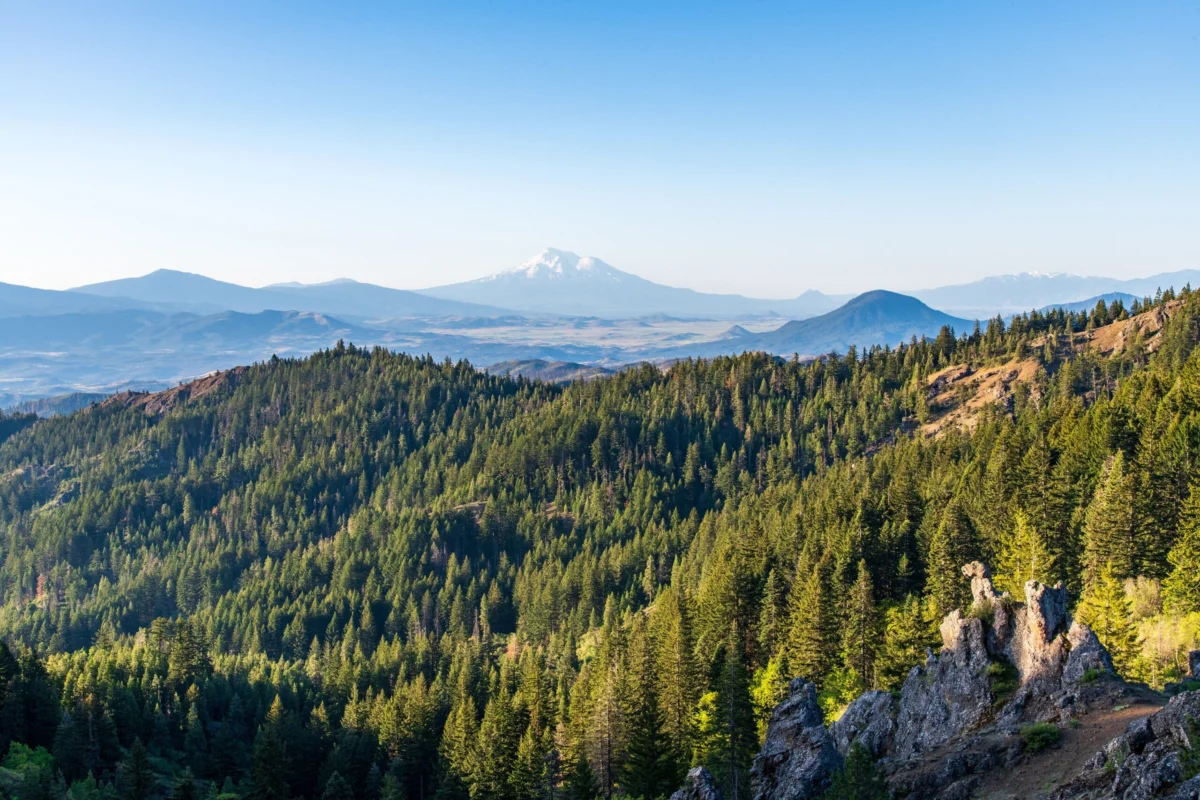
While America’s iconic national parks—such as Yosemite, Yellowstone, and the Grand Canyon—command global recognition and draw millions of tourists annually, a quieter but equally vital network of protected lands plays an arguably more critical role in the country’s ecological health: the 138 national monuments. Often overshadowed, these sites act as essential anchors for biodiversity, cultural heritage, and regional economic stability. Stretching from the rugged, mist-shrouded rainforests of Alaska to the sun-baked, ochre-hued canyons of the American Southwest, these monuments represent a diverse tapestry of landscapes that provide refuge for both humans and an increasingly threatened avian population.
The Antiquities Act: A Century of Protection
The legal foundation for this network is the Antiquities Act of 1906, a landmark piece of legislation signed into law by President Theodore Roosevelt. At a time when the American West was undergoing rapid industrial expansion and development, the Act provided the executive branch with the authority to protect public lands containing significant natural, cultural, historical, or scientific features.
The chronology of these designations reveals a shifting national priority. In the early 20th century, the focus was primarily on archaeological sites and geologic marvels, such as the first designated monument, Devils Tower in Wyoming. By the mid-to-late 20th century, and increasingly into the 21st, the scope expanded to include large-scale ecosystems, marine environments, and landscapes of profound Indigenous significance. Today, these monuments are managed by a consortium of federal agencies, including the National Park Service, the U.S. Forest Service, the Bureau of Land Management, the U.S. Fish and Wildlife Service, and the National Oceanic and Atmospheric Administration. Each agency balances its specific mission—ranging from land conservation to resource management—with the mandate to preserve the integrity of these public assets for future generations.
The Avian Crisis: A Signal of Ecosystem Collapse
The urgency behind the preservation of these lands is underscored by alarming biological data. A landmark study published by the Cornell Lab of Ornithology revealed that North America has lost nearly three billion birds since 1970, representing a 29 percent decline in the continent’s total avian population. This biological erosion is not limited to a single species; it spans grassland birds, shorebirds, arid-land inhabitants, and migratory songbirds.
Habitat fragmentation is the primary driver of this decline. National monuments serve as vital, unfragmented "islands" of safety within a sea of development. For example, the Cascade-Siskiyou National Monument on the California-Oregon border is critical for the survival of the Northern Spotted Owl, while Idaho’s Craters of the Moon provides essential sanctuary for the Greater Sage-Grouse. For migratory species that traverse thousands of miles annually, these monuments serve as crucial "refueling stations." The loss of even one of these stopovers can dictate the difference between the survival and the localized extinction of a species.
Birds function as "canaries in the coal mine" for the broader environment. Their decline is a diagnostic indicator of systemic environmental health issues. As birds disappear, the ecological services they provide—pollination, seed dispersal, and insect population control—also diminish. This creates a feedback loop that degrades forests, wetlands, and agricultural yields, ultimately impacting human food security and water quality.
Economic Impact and the Outdoor Recreation Sector
Beyond their ecological functions, national monuments are significant engines of economic growth. According to the U.S. Bureau of Economic Analysis (BEA), the outdoor recreation sector is a pillar of the national economy, contributing roughly $697 billion to the Gross Domestic Product (GDP) in 2024. This sector supports millions of jobs, particularly in rural communities adjacent to public lands.
Birdwatching, often termed "birding," has surged in popularity, evolving from a niche hobby into one of the fastest-growing outdoor activities in the United States. Millions of participants now travel to national monuments to observe rare species, directly fueling local hospitality sectors, including hotels, guide services, outdoor equipment retailers, and regional restaurants. When landscapes are protected as national monuments, they provide a reliable, long-term asset that communities can leverage for sustainable tourism, distinct from the boom-and-bust cycles associated with extractive industries like mining or logging.
Cultural Stewardship and Indigenous Connections
A modern understanding of national monuments must also account for their role in honoring Indigenous heritage. Many of these sites, such as Canyon de Chelly in Arizona, are not merely wilderness areas; they are ancestral homelands, sacred sites, and places of ongoing cultural practice. For generations, Tribal nations have acted as the primary stewards of these lands.
Current conservation strategies are increasingly moving toward a model of "co-management" or collaborative stewardship. This approach recognizes that ecological conservation is most effective when it acknowledges the deep, historical relationship between Indigenous peoples and their traditional territories. By integrating traditional ecological knowledge with contemporary scientific monitoring, federal agencies are finding that they can better preserve the biodiversity of these monuments while simultaneously respecting the sovereignty and cultural rights of Tribal nations.
Climate Resilience and Biodiversity Conservation
In the face of a warming planet, the role of national monuments has expanded to include climate mitigation. These lands function as natural carbon sinks, sequestering emissions within their forests, wetlands, and grasslands. Furthermore, they maintain essential wildlife corridors that allow species to migrate as climate zones shift. Scientists warn that approximately one million species worldwide are at risk of extinction due to habitat destruction and climate-driven ecosystem degradation. In this context, the protection of large, connected landscapes—the core mission of the national monument system—is one of the most effective strategies for building resilience.
Challenges and Future Outlook
Despite their benefits, the designation and management of national monuments remain subjects of intense political debate. Critics often raise concerns about the restrictions placed on mining, grazing, and logging within these areas, arguing that such designations hinder local economic autonomy. Conversely, environmental advocates argue that the long-term benefits of ecosystem services, climate resilience, and sustainable tourism far outweigh the short-term profits of resource extraction.
The administrative process of creating a monument via the Antiquities Act is designed to be swift to prevent irreparable damage to a site, yet this power has often been tested in the courts. Legal challenges to monument designations have become a recurring feature of the American political landscape, highlighting the friction between federal land-use authority and local land-management preferences.
However, the consensus among conservation scientists is clear: the current rate of habitat loss is unsustainable. To reverse the trends observed since the 1970s, the U.S. must prioritize the protection of large, intact, and connected ecosystems. This requires not only the maintenance of existing monuments but also the strategic identification of new areas that offer high biodiversity value.
Conclusion
America’s national monuments represent an investment in the nation’s biological and economic future. They are not merely "museums of landscape" to be observed from a distance; they are dynamic, functioning ecosystems that provide clean air, water, and essential resources for wildlife and humans alike. As the nation confronts the twin crises of biodiversity loss and climate change, the role of these public lands will only become more critical. By maintaining these spaces, the United States secures a legacy of ecological health and resilience, ensuring that the country’s natural heritage remains intact for the generations that follow. Protecting these monuments is, in effect, protecting the infrastructure of life itself.
