
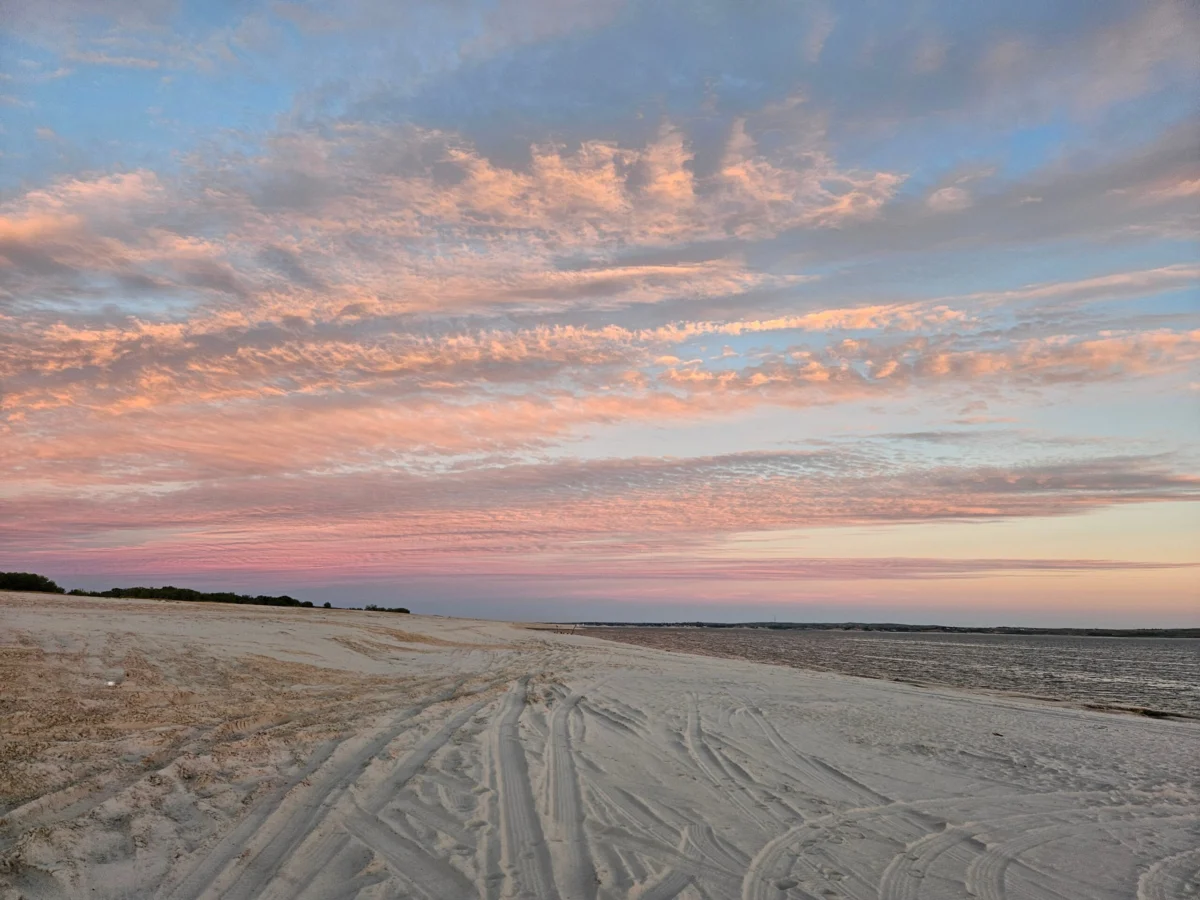
The Platte River, a vital artery for Nebraska’s agricultural, economic, and ecological health, is currently facing a period of severe water stress that mirrors historical lows not seen in two decades. As Lake McConaughy, the state’s largest reservoir and the primary regulator of the North Platte River’s flow, dips to approximately 25 percent capacity, stakeholders across the basin are confronting the realities of climate-induced scarcity. This critical reduction in volume—reminiscent of the 2004 drought cycle—has prompted a renewed focus on the collaborative management strategies required to sustain both human demand and the fragile riverine ecosystems that define the region’s biodiversity.
The Role of Lake McConaughy in the Basin Ecosystem
Lake McConaughy was engineered in the 1940s to function as a hydro-mechanical buffer against the volatility of the North Platte River. By capturing high-volume spring runoff originating from the snowpack in the Rocky Mountains of Colorado and Wyoming, the reservoir provides a predictable, managed supply for downstream irrigation, hydroelectric power generation, and municipal needs. However, the reservoir is more than a commercial utility; it is a linchpin for the Central Platte’s environmental health.
The reservoir’s operations are governed by a complex framework of historic interstate compacts, federal regulations, and state water laws. Yet, the current drought conditions have highlighted the limitations of these static agreements in the face of dynamic climate shifts. With water levels approaching historic lows, the margin for error in release schedules has vanished, necessitating a high-stakes balancing act between the immediate requirements of farmers and the long-term survival of threatened and endangered species.
Environmental Stewardship and the Economic Stakes
A significant component of the water managed within the Platte system is the Environmental Account. This specialized allocation is reserved specifically to support the river’s biodiversity, providing essential habitat for migratory species. The importance of this water is most visible during the annual spring migration of Sandhill Cranes.
Beyond the migration season, consistent releases from the reservoir maintain the river’s food web, ensuring that the aquatic life, macroinvertebrates, and riparian vegetation remain healthy. When the river flows are optimized, they create open, sandy channels that serve as nocturnal roosting sites for cranes. These channels are crucial; they act as a natural defense against terrestrial predators, allowing the birds to conserve the energy necessary to complete their arduous journey.
The economic implications of this environmental health are significant. A recent economic impact analysis indicates that the Sandhill Crane migration drives a $28 million ecotourism industry in the Central Platte region. This figure represents a vital infusion of capital into local communities, reinforcing the argument that water conservation is not merely an ecological priority, but an economic imperative. When the river dries up, the ripple effects are felt in hotel bookings, retail spending, and the broader regional service economy.
Chronology of Water Stress and Management
The current crisis did not emerge overnight; it is the culmination of shifting weather patterns and sustained dry periods in the western Platte River Basin.
- 1940s: Construction of Lake McConaughy is completed, establishing a new paradigm for water management in Nebraska.
- 2004: The reservoir hits record-low levels, serving as a benchmark for severe drought management.
- 2023–2024: Persistent drought conditions in the Rockies result in diminished mountain snowpack, leading to reduced spring inflow into Lake McConaughy.
- Late 2026 (Scheduled): Launch of the climate-focused scenario planning process by Audubon and the VESPR (Vision for an Ecologically Sound Platte River) partners.
- Spring 2027 (Scheduled): Conclusion of the initial phase of scenario modeling to develop resilient water management strategies.
Addressing the Complexity of Climate Change
Climate change has introduced an unprecedented layer of complexity to water management. Predictive models suggest that the western Platte River Basin will face longer, more intense, and more frequent drought events. This shift threatens to push the river system past critical ecological and socioeconomic thresholds. Once these thresholds are breached, the cost and difficulty of restoring the river to a functional state increase exponentially.
"We are essentially operating in an era of ‘new normal’ volatility," noted water policy experts familiar with the region. "Traditional models based on 20th-century hydrology are becoming less reliable as indicators of future availability. We must transition toward more agile, data-driven adaptive management."
Strategic Collaboration: The VESPR Initiative
To mitigate the risks associated with this uncertainty, organizations such as the National Audubon Society and its partners in the Vision for an Ecologically Sound Platte River (VESPR) initiative are preparing a multi-year collaborative planning process. Beginning in late 2026, this initiative will bring together a diverse cohort of stakeholders—including representatives from the agricultural sector, hydroelectric power producers, municipal water managers, and wildlife conservationists.
The core objective of this process is scenario planning. Unlike traditional forecasting, which seeks to predict a single likely future, scenario planning involves modeling a range of plausible futures. By examining how the river system might respond to various climate and usage variables, participants can identify “no-regret” strategies—actions that provide benefits regardless of which specific future scenario comes to pass. This approach aims to bring clarity to the decision-making process, replacing uncertainty with structured risk management.
Implications for Policy and Future Management
The immediate challenge for Platte River managers is to maintain a precarious equilibrium. If the reservoir levels continue to drop, the state may face pressure to implement more stringent water use restrictions, which could have significant impacts on agricultural yields. However, failing to protect the river’s environmental baseline could result in the loss of endangered species habitat, potentially triggering federal interventions under the Endangered Species Act.
The success of the upcoming scenario planning efforts will depend on the willingness of all parties to recognize the river as a shared asset. The interdependence between the irrigation-heavy economy and the wildlife-dependent tourism sector is absolute. If the reservoir serves one group at the total expense of the other, the resulting systemic instability would ultimately harm both.
As the region looks toward the 2027 planning horizon, the consensus among scientists and policy makers is clear: the era of reactive water management is ending. The future of the Platte River will be defined by the proactive, collaborative, and evidence-based strategies that prioritize long-term resilience over short-term gain. By integrating ecological needs into the foundational logic of water distribution, Nebraska has the opportunity to lead in the development of a sustainable water future, ensuring that the river continues to support its human and wild inhabitants alike, even in the face of a changing climate.
