
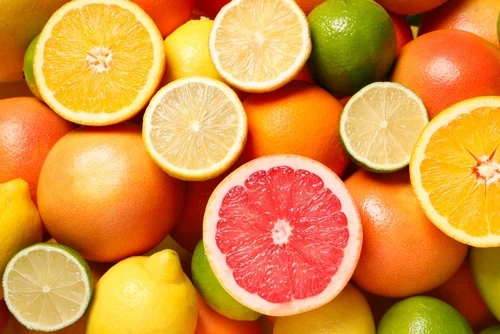
The management of backyard poultry flocks often involves the integration of kitchen scraps into a daily feeding regimen, a practice championed by sustainability advocates and urban farmers alike. However, the nutritional requirements of Gallus gallus domesticus are distinct from those of humans and other mammals, leading to ongoing debates regarding the safety and efficacy of providing citrus fruits—such as oranges, lemons, limes, and grapefruits—as part of a standard diet. While the occasional ingestion of citrus does not pose an immediate lethal threat to chickens, avian nutritionists and agricultural experts emphasize that these fruits offer negligible nutritional value and potential metabolic disadvantages when consumed in excess.
Nutritional Physiology and the Role of Vitamin C
To understand the dietary implications of citrus for poultry, one must first consider the unique metabolic capabilities of the chicken. Unlike humans, guinea pigs, and certain species of primates, chickens possess the physiological ability to synthesize their own Vitamin C (ascorbic acid) within their livers. This biological trait renders the high Vitamin C content found in citrus fruits redundant for avian health. Consequently, providing oranges or grapefruits for the purpose of boosting a chicken’s immune system through Vitamin C intake is fundamentally unnecessary and biologically inefficient.
The nutritional profile of an egg is often cited as a testament to the comprehensive biological needs of a developing embryo. Interestingly, an egg contains every essential nutrient required to support life with one notable exception: Vitamin C. This evolutionary gap is filled by the hen’s internal production, further highlighting that dietary supplementation of this vitamin is not a requirement for flock health.

The Mechanism of Calcium Interference
The primary concern regarding the regular consumption of citrus fruits in poultry is not the presence of acids or Vitamin C, but rather the potential for metabolic interference with calcium absorption. Calcium is the cornerstone of poultry health, critical for two primary functions: the maintenance of skeletal structural integrity and the synthesis of high-quality eggshells.
When a hen prepares to lay an egg, her body requires a significant influx of calcium. If the dietary intake of calcium is insufficient, or if the absorption process is compromised, the hen’s endocrine system triggers a biological fail-safe: the mobilization of calcium reserves from her own medullary bones. While this mechanism allows for the production of an egg even during periods of nutritional deficit, the cost to the bird is significant. Prolonged reliance on this process leads to several adverse outcomes:
- Skeletal Degradation: The leaching of calcium results in osteoporosis, manifesting as brittle, fragile bones prone to fractures.
- Reproductive Complications: Deficiencies frequently present as soft-shelled, rubbery, or thin-shelled eggs, which are more susceptible to breakage within the nesting box and increase the risk of bacterial contamination.
- Production Declines: Chronic metabolic stress often leads to a decrease in the overall rate of oviposition, impacting the long-term productivity of the flock.
Research indicates that the high acidity of citrus fruits, when consumed in large quantities, may alter the pH balance of the digestive tract, potentially hindering the efficient uptake of minerals. In a balanced agricultural system, it is recommended that the dietary intake of calcium be strictly managed through high-quality commercial layer feed and supplemental grit, rather than through inconsistent dietary variables like citrus scraps.
Historical Context and Modern Management Practices
The practice of feeding kitchen scraps to chickens dates back centuries, serving as a primary method for reducing waste and supplementing feed costs in agrarian societies. However, modern poultry science has refined these practices by identifying specific "no-go" foods that may cause gastrointestinal distress or long-term health issues.

Throughout the 20th century, as backyard chicken keeping moved from necessity to a popular hobby, veterinarians and agricultural extension services began to categorize food scraps based on digestibility. Citrus fruits were early additions to the "avoid" list, not due to acute toxicity—as is the case with items like dried beans, raw potatoes, or avocado skins—but due to the lack of nutritional synergy.
In recent years, the rise of the "Farm-to-Table" movement has prompted a renewed interest in sustainable feeding. However, experts warn that "zero-waste" initiatives must be tempered by a responsible understanding of animal health. A 2022 survey of veterinary nutritionists noted that while many owners view fruit as a "treat," the cumulative effect of daily acidic fruit consumption can lead to sub-clinical health issues that often go unnoticed until production drops or a bone fracture occurs.
Behavioral Patterns and Foraging Instincts
Observation of domestic flock behavior reveals an interesting evolutionary defense mechanism. When offered a variety of food scraps, chickens generally exhibit selective foraging habits. Most healthy chickens will bypass citrus rinds or pulp if more appropriate, nutrient-dense food sources are available. This behavioral inclination suggests an innate ability to avoid items that do not align with their nutritional requirements.
However, in confined spaces where foraging options are limited, birds may consume whatever is provided out of boredom or hunger. This highlights the importance of the keeper’s role in curating the diet. If a chicken is seen avoiding citrus, it is an indicator that the keeper should refrain from forcing the issue, as the bird is likely demonstrating a natural avoidance of an non-beneficial food source.

Broader Implications for Flock Health
The decision to exclude citrus from a chicken’s diet is a matter of optimizing health rather than avoiding a poison. When managing a backyard flock, the objective is to maximize the efficiency of feed-to-egg conversion while minimizing the metabolic burden on the hen.
- Feed Efficiency: Commercial layer feeds are formulated with precise ratios of calcium, phosphorus, and Vitamin D3. Introducing high-moisture, acidic fruits dilutes the nutritional density of the primary diet.
- Environmental Sanitation: Citrus peels, if left to decompose in a coop or run, can attract unwanted pests, including fruit flies and rodents, which are common vectors for poultry diseases.
- Metabolic Consistency: A stable diet is the best defense against health fluctuations. By standardizing the input, keepers ensure that the minerals needed for bone and shell formation are consistently available.
Expert Recommendations and Conclusion
For those committed to reducing kitchen waste, it is recommended that citrus remains in the compost pile rather than the feeder. Composting citrus peels allows the gardener to benefit from the organic matter and nutrients without risking the long-term health of the flock.
The consensus among avian experts remains clear: there is no nutritional justification for providing citrus to chickens. The risk of even minor interference with calcium absorption—a vital component of a hen’s reproductive and skeletal health—outweighs any perceived benefit of using the fruit as a low-cost treat.
Ultimately, the health of a backyard flock depends on the keeper’s commitment to evidence-based nutrition. By prioritizing formulated feeds and providing healthy, species-appropriate treats—such as leafy greens, grains, and high-protein insects—keepers can ensure their birds maintain optimal health, high egg production, and long-term vitality. The practice of "when in doubt, leave it out" remains the safest protocol for maintaining a productive and healthy flock in any backyard setting. Owners are encouraged to consult local agricultural extension resources for updated lists of safe, nutritious treats to supplement their chickens’ diets effectively.
