
As households across North America prepare for traditional Thanksgiving celebrations characterized by elaborate meals, family gatherings, and seasonal entertainment, wildlife conservationists and backyard hobbyists are increasingly turning their attention to a parallel tradition: expanding holiday hospitality to local wildlife. Backyard bird feeding has evolved from a simple cold-weather pastime into a significant hobby that engages millions of households across the United States and Canada. According to industry data compiled by organizations such as Wild Birds Unlimited (WBU) and the U.S. Fish and Wildlife Service, feeding wild birds has grown into a multi-billion-dollar economic sector involving tens of millions of participants who invest heavily in seed blends, specialized feeders, and habitat enhancement.
The intersection of human holiday traditions and wildlife support highlights a growing movement among environmentalists and backyard enthusiasts who view the autumn and winter months as critical periods for supplemental avian feeding. As natural food sources dwindle due to seasonal changes, temperature drops, and the harvesting of agricultural fields, residential bird feeders play a vital role in helping local and migratory bird species maintain their energy reserves.
Main Facts and Current Landscape of Backyard Bird Feeding
The practice of feeding backyard birds reaches its peak during the late autumn and winter months. Industry experts note that holiday hosts are increasingly incorporating their backyard setups into their overall celebration plans. This involves not only ensuring that feeders are thoroughly cleaned and stocked ahead of holiday gatherings but also upgrading menu options to attract a wider diversity of avian species.
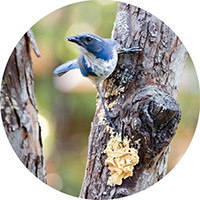
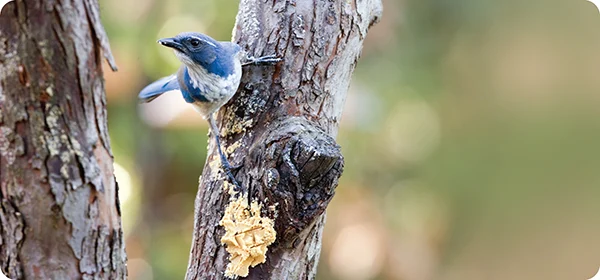
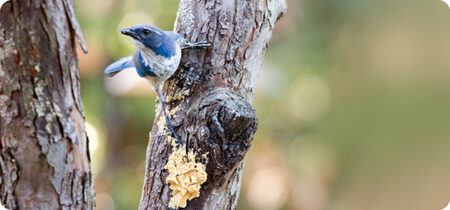
Standard foundational offerings typically include high-quality seed blends consisting of millet, sunflower seeds, and cracked corn. However, during periods of peak cold weather, hobbyists often upgrade to energy-dense options such as suet cakes, mealworms, and specialized formulations like winter superblends. Additional treats, including peanuts and proprietary products like Bark Butter, provide essential fats and proteins that smaller birds require to survive sub-freezing temperatures.
Beyond direct feeding, consumer habits during the holidays are increasingly tied to broader ecological awareness. A notable example is the growing market preference for shade-grown, bird-friendly coffee. Unlike sun-grown coffee plantations—which often require the clear-cutting of tropical rainforests—shade-grown coffee is cultivated beneath a diverse forest canopy. Environmental organizations emphasize that these preserved canopies serve as vital wintering grounds for more than 40 species of North American migratory songbirds. By consciously choosing bird-friendly coffee to accompany their holiday desserts, consumers directly support the preservation of critical habitats thousands of miles away.
Chronology and Evolution of the Backyard Bird Feeding Movement
The commercialization and widespread adoption of backyard bird feeding have a rich history rooted in mid-20th-century conservation efforts.
In the decades following World War II, suburban expansion led to a growing disconnect between urban populations and local wildlife. Concurrently, ornithologists and early conservation groups began noticing declines in specific songbird populations due to habitat fragmentation and pesticide use.

During the 1960s and 1970s, pioneering enterprises recognized the potential for commercializing wild bird products. The establishment of specialty retail chains—most notably Wild Birds Unlimited, founded in 1981—transformed bird feeding from a scattered hobby involving leftover kitchen scraps into a science-backed discipline. Retailers introduced specialized seed blends designed to attract specific target species while deterring common pests, along with predator-resistant feeder designs.
By the 1990s and 2000s, academic institutions and ornithological societies began conducting formal studies on the ecological impacts of residential bird feeding. Research from institutions such as the Cornell Lab of Ornithology demonstrated that supplemental feeding could significantly enhance winter survival rates for resident birds, provided that feeding stations were properly maintained to prevent disease transmission.
In recent years, the movement has embraced digital platforms, podcasts, and community science initiatives. Programs such as the Great Backyard Bird Count, co-administered by the Cornell Lab of Ornithology and the National Audubon Society, have mobilized millions of citizens to log observational data from their feeders, contributing to massive databases utilized by professional researchers to track avian population shifts and climate change impacts.
Supporting Data and Economic Impact
The economic and ecological footprint of backyard bird feeding is substantial. According to economic surveys conducted by the U.S. Fish and Wildlife Service, Americans spend billions of dollars annually on birdseed, feeders, bird baths, and binoculars.
- Market Scale: The wild bird feeding industry generates an estimated $4 billion to $5 billion annually in retail sales across North America.
- Participation Rates: Approximately one-third of the adult population in the United States engages in backyard bird feeding or wildlife observation around their homes, making it one of the nation’s most popular outdoor hobbies.
- Ecological Reach: North American backyard feeding stations collectively provide millions of pounds of supplemental nutrition annually, helping resident species such as cardinals, titmice, chickadees, and finches endure severe weather events.
- Conservation Partnerships: Major franchise networks and independent retailers collaborate regularly with academic researchers and conservation nonprofits, disseminating educational resources such as the Cornell Lab’s "Seven Simple Actions to Help Birds."
Official Responses and Expert Perspectives
Wildlife biologists and avian conservation experts emphasize that while supplemental feeding provides clear benefits, responsible management is essential to prevent unintended negative consequences.
"Feeding birds is one of the most direct, impactful ways individuals can connect with nature right outside their windows," said John and Brian, hosts of the WBU Nature Centered Podcast, in recent educational programming addressing seasonal feeding strategies. "When you provide clean water, high-calorie foods, and safe habitat structures, you aren’t just observing wildlife—you are actively participating in local ecosystem support."
However, public health agencies and wildlife veterinarians caution that poorly maintained feeding stations can become vectors for avian diseases, such as salmonellosis and trichomoniasis. Officials strongly recommend regular sanitation of all tube feeders, platform feeders, and suet cages using a diluted bleach solution, particularly during high-traffic migration seasons and winter months.
Furthermore, ornithologists advocate for window collision prevention, noting that millions of birds perish annually due to strikes against residential glass. Integrating decals, exterior screens, or specialized UV-reflective glass near feeding stations is widely recommended as a necessary complement to food provisioning.

Broader Impact and Environmental Implications
The modern practice of feasting alongside backyard wildlife carries profound implications for urban ecology, climate resilience, and public conservation literacy. As metropolitan areas continue to expand, traditional natural habitats are increasingly fragmented. Residential yards, when managed with wildlife in mind, can function as critical stepping stones or micro-corridors that allow migratory and resident species to navigate urban landscapes safely.
Moreover, the psychological and educational benefits of backyard wildlife observation are well-documented. Studies in environmental psychology suggest that regular engagement with backyard birds reduces stress, fosters a deeper appreciation for local biodiversity, and encourages pro-environmental behaviors among younger generations. When families involve children in maintaining clean feeders and selecting quality seed blends during holiday gatherings, they instill foundational values of stewardship and empathy for the natural world.
As the wild bird feeding community continues to innovate—incorporating sustainable sourcing, data-driven conservation outreach, and podcast-based education—the bond between humans and their feathered neighbors remains stronger than ever. By combining holiday festivities with conscientious wildlife support, millions of households demonstrate that human celebration and ecological responsibility can coexist seamlessly in the modern backyard.
