
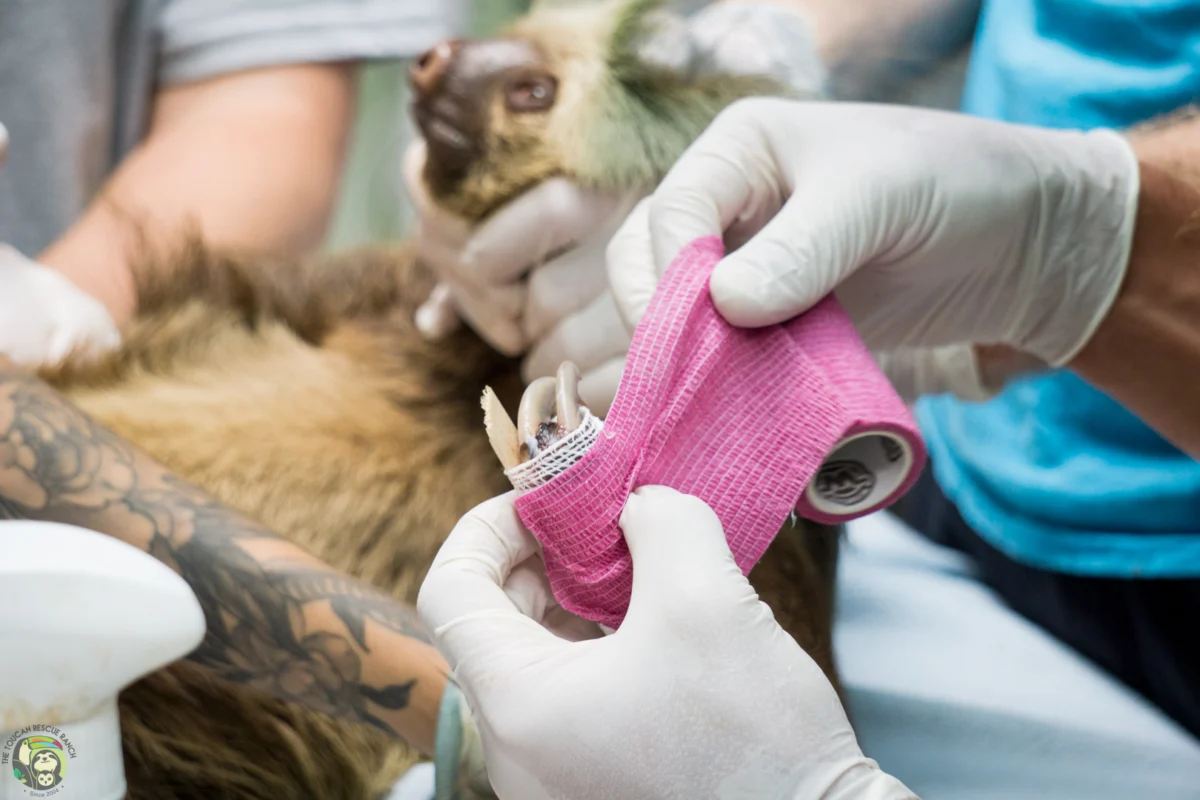
The ongoing conservation of vulnerable tropical ecosystems relies heavily on sustained international support, a reality highlighted by the latest operational guidelines issued by the Toucan Rescue Ranch (TRR). Located in the lush landscapes of Costa Rica, this renowned wildlife sanctuary has long served as a beacon of hope for injured, orphaned, and displaced native fauna, including sloths, toucans, monkeys, and a myriad of other species. However, maintaining the rigorous standards required for modern veterinary care, rehabilitation, and eventual reintroduction into the wild demands an immense volume of supplies. To bridge the gap between compassionate global donors and the frontline animal care teams, TRR has restructured its donation pathways, providing clear directives on how supporters can contribute critical items while navigating the complex logistics of international shipping.
At the core of the sanctuary’s daily operations is a dedicated network of veterinarians, animal handlers, and administrative personnel working around the clock. The facility operates multiple specialized departments, ranging from intensive care clinical units to expansive pre-release enclosures designed to teach recovering animals essential survival skills. Every facet of this mission—from specialized infant formula for orphaned sloths to surgical instruments for injured toucans—depends on the steady influx of resources. Recognizing that monetary contributions are only one part of the equation, TRR maintains curated registries via the Amazon Wish List and the Cuddly Wish List. These platforms are updated dynamically to reflect the most pressing operational needs, ensuring that every item purchased directly addresses an active requirement within the sanctuary.
Yet, the logistical realities of transporting goods across international borders present significant hurdles for conservation organizations operating in Central America. Costa Rica’s national postal system, while functional for local correspondence, is frequently unreliable for international parcels, often resulting in severe delivery delays, customs complications, or the permanent loss of valuable packages. Consequently, TRR has formally advised donors to bypass standard international postal services and instead utilize a series of carefully vetted alternative delivery mechanisms designed to maximize efficiency and minimize loss.
Understanding the Logistics: The Best Ways to Transport Donations to Costa Rica
For supporters preparing to visit Costa Rica firsthand, the most efficient, cost-effective, and secure method of delivering supplies is through checked luggage. Whether individuals are arriving as registered interns, long-term volunteers, guesthouse guests, or ecotourists taking part in a guided sanctuary tour, packing designated wish-list items into personal suitcases entirely circumvents international shipping bottlenecks, customs tariffs, and delivery fees. This grassroots approach ensures that high-priority medical supplies, specialized tools, and enrichment items arrive intact and ready for immediate deployment within the facility.
For those unable to travel to Central America personally but still wishing to contribute physical goods, TRR has established a strategic domestic collection point within the United States. Through a collaborative arrangement with a designated TRR board member, the organization maintains a secure storage warehouse in Knoxville, Tennessee. This U.S. depot serves as a staging ground where bulk donations can be consolidated. While shipping items to the Knoxville address offers a reliable domestic shipping option, sanctuary administrators emphasize that this method still requires a secondary logistical step—specifically, coordination with travelers heading directly to Costa Rica who are willing to transport the collected items in their baggage.
When direct international shipping is the only viable option, TRR strongly advises the exclusive use of established private couriers, most notably DHL. Unlike standard postal networks, private courier services offer tracking, accountability, and expedited customs clearance, drastically reducing the likelihood of lost or damaged shipments. Nevertheless, organizational representatives caution that commercial courier fees to Central America can be substantial, reinforcing the reality that personal transport via checked luggage remains the gold standard for material donations.
A System of Prioritization: Identifying the Sanctuary’s Most Urgent Needs
The operational demands of running a comprehensive wildlife rescue and rehabilitation center require a meticulous approach to inventory management. TRR’s administrative and veterinary teams categorize requested supplies into distinct priority levels, ensuring that donors can target their generosity where it is needed most. High-priority items typically encompass specialized veterinary pharmaceuticals, advanced wound-care products, specialized milk formulas for neonatal mammals, and specific hardware required for enclosure maintenance and behavioral enrichment.
Medium-priority goods often include durable husbandry equipment, cleaning agents that meet strict biosecurity standards, and office supplies necessary for the daily administration of the non-profit foundation. Lower-priority items, while still valuable to the overall ecosystem of the ranch, generally consist of non-essential comforts, general-use textiles, and secondary operational tools. By organizing the Amazon and Cuddly wish lists according to these precise tiers, TRR empowers donors to make informed decisions that directly alleviate the operational pressures faced by the clinic, the animal care staff, the administrative offices, and the remote release sites.
Financial Transparency and Legal Compliance for International Donors
Beyond the physical transfer of goods, international philanthropy is deeply intertwined with regulatory compliance and tax incentives. For contributors residing in the United States, transparency and accountability are paramount. TRR operates as a legally recognized U.S. 501(c)(3) nonprofit organization, holding the official Employer Identification Number (EIN) 80-0516453. Additionally, the organization maintains full standing as a registered Costa Rican foundation under registry number 300667701803.
This dual legal status carries profound implications for donors, ensuring that all financial contributions and eligible material donations are fully tax-deductible under applicable U.S. tax laws. By maintaining rigorous financial and administrative standards, the organization provides reassurance to major donors, corporate sponsors, and grassroots supporters alike that their contributions are managed with the highest degree of ethical oversight and fiduciary responsibility.
Broader Economic and Environmental Implications of Wildlife Rehabilitation
The necessity for continuous material support underscores the broader economic and ecological challenges facing modern conservation in the Neotropics. Costa Rica is globally celebrated for its pioneering environmental policies and rich biodiversity, hosting roughly five percent of the world’s total biodiversity within a relatively small geographic footprint. However, rapid urban expansion, habitat fragmentation, vehicular collisions, illegal wildlife trafficking, and domestic animal attacks place immense pressure on native populations of sloths, monkeys, birds, and reptiles.
Sanctuaries like the Toucan Rescue Ranch function as a vital ecological safety net, mitigating the anthropogenic pressures that threaten regional wildlife. When an injured or orphaned animal is successfully rescued, medically stabilized, rehabilitated, and ultimately returned to its natural habitat, the intervention contributes directly to the genetic diversity and demographic stability of wild populations. The economic model of these rescue efforts, however, relies heavily on a hybrid ecosystem of ecotourism, educational outreach, and philanthropic donations.
Analyses of non-profit wildlife conservation models indicate that organizations heavily dependent on public donations are particularly vulnerable to global economic fluctuations. During periods of economic uncertainty, discretionary spending on international charities often contracts, even as the intake rates of injured and displaced wildlife remain steady or increase due to ongoing habitat degradation. Consequently, initiatives that streamline the donation process—such as curated wish lists and clear logistical guidelines—play an indispensable role in maintaining institutional resilience. By removing the friction traditionally associated with international giving, TRR ensures a more predictable and steady stream of vital supplies.
Looking Forward: The Continuing Mission of the TRR Family
As the Toucan Rescue Ranch looks toward the future, the leadership emphasizes that the success of its conservation mandate is fundamentally a collective endeavor. The network of supporters affectionately known as the "TRR family" encompasses everyone from local volunteers and international interns to corporate partners and remote donors who purchase a single item from an online wish list.
The ongoing evolution of the sanctuary’s donation protocols reflects a broader maturation within the wildlife rescue sector, where transparency, logistical efficiency, and regulatory compliance are recognized as essential pillars of sustainable conservation management. By adapting to the unique geographical and bureaucratic challenges of international shipping, TRR continues to safeguard its capacity to heal Costa Rica’s most vulnerable wildlife. Through the sustained generosity of the global community, the sanctuary remains fully equipped to confront the daily emergencies of tropical conservation, ensuring that injured and orphaned animals are given a second chance at life in the wild.
