
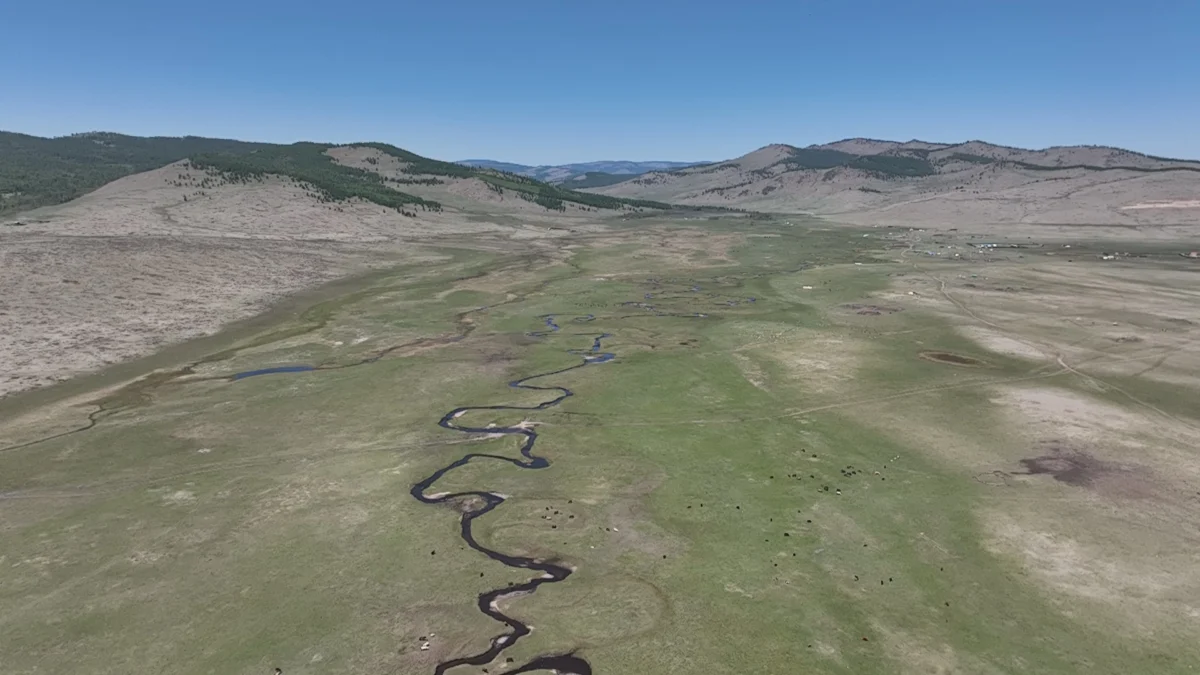
Delegates attending the United Nations Convention to Combat Desertification (UNCCD) Conference of the Parties (COP17) in Ulaanbaatar, Mongolia, have reached a controversial impasse, voting to postpone binding negotiations and decisions regarding global drought management until the subsequent COP summit in Egypt in 2028. The decision has drawn sharp rebukes from environmental organizations, civil society groups, and policy analysts who argue that shelving actionable commitments on drought for another two years ignores escalating climate realities.
The announcement comes during a critical juncture for international environmental policy. As extreme weather events increase in frequency and severity, the delay sidelines a unified global framework designed to address aridification, land degradation, and the crippling socio-economic impacts of severe water scarcity. While high-level officials from nations such as Mongolia, Brazil, Kenya, and Zimbabwe emphasized the necessity of scaling up natural solutions—pointing specifically to the Freshwater Challenge as a vital mechanism—consensus on a comprehensive global drought strategy ultimately collapsed.
The Anatomy of the Impasse at COP17
The UNCCD COP17 summit, hosted in the Mongolian capital, brought together representatives from nearly 200 nations to deliberate on pressing issues surrounding land degradation neutrality, desertification, and climate adaptation. Drought mitigation was positioned as one of the flagship themes of the conference, given its compounding effects on global food security, forced migration, and economic instability.
However, deep-seated divisions among member states regarding financing mechanisms, legally binding targets, and the allocation of responsibilities between industrialized and developing nations stalled progress. Rather than forging a compromise, negotiators opted to defer the text to the intersessional period, pushing the final decision forward to COP18, scheduled to be held in Egypt.
Environmental watchdogs monitoring the proceedings expressed profound disappointment. Representatives from international NGOs argued that the bureaucratic delay reflects a dangerous disconnect between diplomatic maneuvering and the daily realities faced by millions of people living on the frontlines of climate change.
Background and Context: A World Parched
To understand the weight of the decision made in Ulaanbaatar, one must examine the broader environmental backdrop. Over the past decade, the global water cycle has experienced unprecedented stress. Rising global temperatures have accelerated evaporation rates, transforming once-productive agricultural lands into dust bowls and severely depleting major river basins.
In Europe, the years leading up to 2026 have been marked by recurring, historic droughts that have crippled agricultural yields, disrupted industrial manufacturing, and restricted river transportation along vital commercial arteries like the Rhine and the Danube. Concurrently, climate scientists tracking the emergence of a strengthening El Niño cycle have issued dire warnings regarding its far-reaching consequences.
Regions across Southern Africa, the Horn of Africa, and the Amazon basin face heightened risks of severe, prolonged dry spells. In the Amazon, dwindling river levels have historically isolated remote communities, devastated aquatic ecosystems, and amplified the vulnerability of rainforests to catastrophic wildfires. In the Sahel and East Africa, chronic water scarcity continues to fuel resource conflicts, displace rural populations, and undermine pastoralist livelihoods.
Despite these warning signs, the international community’s institutional frameworks have struggled to keep pace. While frameworks like the Paris Agreement address carbon emissions and the Kunming-Montreal Global Biodiversity Framework targets habitat loss, comprehensive and binding global architectures specifically tailored to mitigate systemic drought remain elusive.
Reactions and Institutional Fallout
The decision to kick the can down the road until 2028 has triggered immediate criticism from environmental coalitions. Richard Lee, Head of Communications at Wetlands International, articulated the frustration felt across the conservation sector following the announcement.
"Incredibly, governments have failed to agree an approach to tackling drought despite the ever-growing list of drought disasters around the world," Lee stated from the conference floor in Mongolia. "We believed that the world’s worsening droughts would force the world’s governments to act. We were wrong."

Lee emphasized that delaying policy action carries a quantifiable toll. "Delaying a decision on drought for at least another two years will cost more than time: communities and economies across the world will pay the price."
According to advocacy groups, COP17 represented a golden opportunity for world leaders to signal an unambiguous commitment to combating land degradation and deploying preventative solutions. These solutions span a wide spectrum, from aggressively curbing greenhouse gas emissions to upgrading municipal and agricultural water infrastructure, restoring degraded drylands, and injecting capital into healthy freshwater ecosystems.
By failing to reach a consensus, critics argue that governments have signaled that building resilience against future water shocks is not a top-tier geopolitical priority. This vacuum of official leadership places the onus squarely on non-state actors, local communities, sub-national governments, and international organizations to independently spearhead risk mitigation and adaptation strategies.
The Pivot to Nature-Based Solutions: Wetlands and the Freshwater Challenge
In the wake of the diplomatic stalemate, attention has pivoted toward existing grassroots and coalition-driven initiatives. Throughout the Ulaanbaatar talks, multiple delegations underscored the foundational role that healthy ecosystems play in buffering against water scarcity.
A focal point of these discussions was the Freshwater Challenge, widely recognized as the world’s largest freshwater protection and restoration initiative. Endorsed by numerous nations, the initiative seeks to catalyze the restoration of hundreds of thousands of kilometers of degraded rivers and millions of hectares of wetlands.
Scientific consensus strongly supports the integration of natural infrastructure into national water management plans. While ecological restoration is not a standalone panacea that can instantly reverse multi-year meteorological droughts, wetlands function as the Earth’s natural sponge systems. Healthy rivers, lakes, floodplains, and peatlands absorb excess water during periods of heavy rainfall, naturally replenishing underground aquifers. Crucially, during extended dry periods, these systems gradually release stored water, sustaining base flows in rivers and mitigating the severity of agricultural and hydrological droughts.
Organizations like Wetlands International have announced plans to recalibrate their operational focus in response to the COP17 outcome. Rather than relying solely on top-down intergovernmental treaties, these groups intend to expand direct partnerships with local communities, indigenous groups, corporate stakeholders, and regional governments. Particular emphasis will be placed on highly vulnerable geographies, including the Sahel, East Africa, and major river basins across Latin America.
Implications for the Road to COP18 in Egypt
The decision to defer negotiations to COP18 in Egypt sets up a high-stakes timeline for the UNCCD process. Egypt, itself a nation facing severe water security challenges concerning the Nile River basin and rapid desertification of its northern agricultural fringes, will inherit a deeply divided mandate.
Policy analysts note that postponing the drought decision creates a dangerous precedent of procrastination within multilateral environmental negotiations. As global temperatures continue to track upward toward critical thresholds, the frequency of compound climate events—such as simultaneous droughts and heatwaves—will only escalate.
Between now and 2028, national governments will face mounting pressure from their domestic constituencies to demonstrate tangible progress in water security. Failure to do so at the national level may render the upcoming negotiations in Egypt even more contentious, as the economic and human costs of inaction compound.
For now, the international community leaves Ulaanbaatar with a stark reality check. While diplomatic frameworks have faltered, the physical drivers of drought continue unabated, leaving vulnerable populations and fragile ecosystems to navigate an increasingly arid future largely on their own.
