
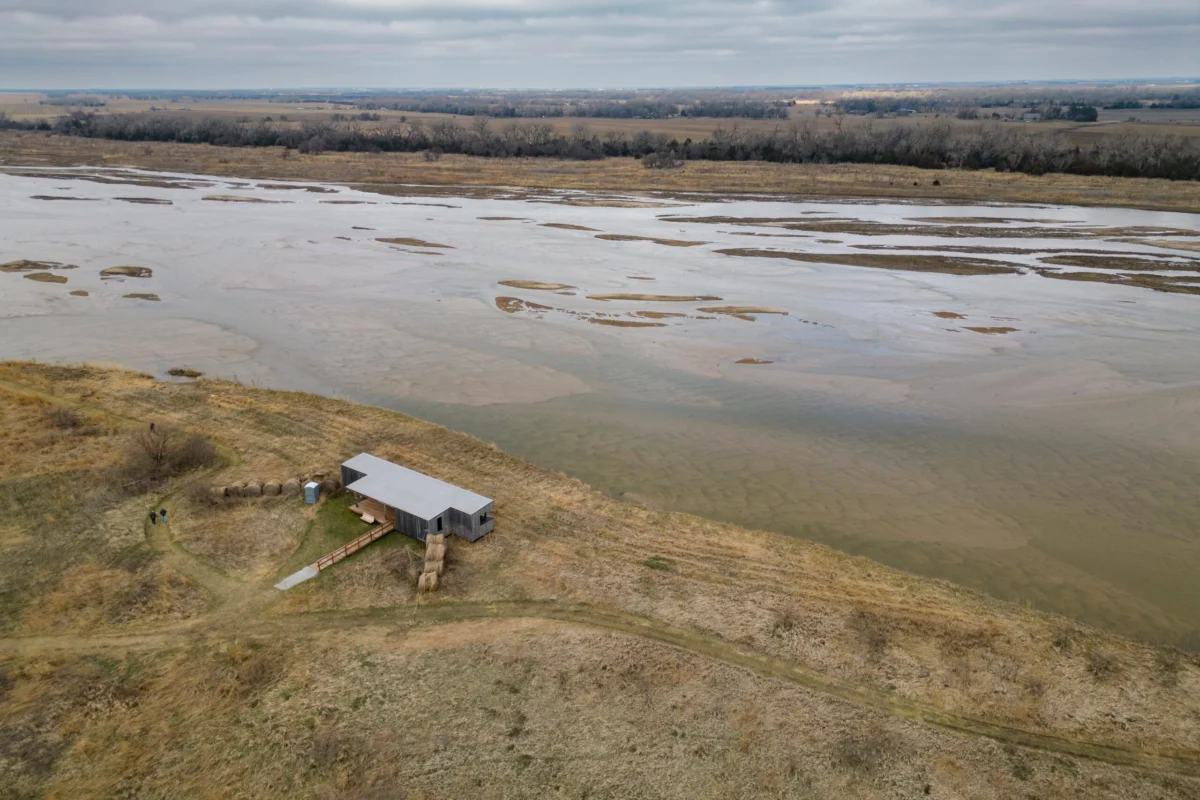
For more than half a century, the conservation of the Platte River basin has served as a primary case study in the efficacy of collaborative environmental management, proving that the protection of critical ecosystems relies as much on human diplomacy as it does on ecological science. As the lifeline of Nebraska, the Platte River sustains a complex web of agricultural production, municipal water supplies, and critical migratory habitats for endangered species. The evolution of this stewardship, led by organizations like the National Audubon Society and its Nebraska chapter, marks a transition from adversarial courtroom battles to a sophisticated, science-driven governance model that seeks to harmonize the competing demands of the American West.
The Historical Context of the Platte River Conflict
The Platte River, a braided stream system that spans Colorado, Wyoming, and Nebraska, has long been the subject of intense scrutiny regarding water rights and usage. By the 1980s, the escalating demand for irrigation water, combined with the increasing vulnerability of species such as the endangered Whooping Crane, the Least Tern, and the Piping Plover, brought the river to a critical impasse.
At that time, the legal landscape of Nebraska was undergoing a fundamental shift regarding "instream flows"—the specific volume of water required to remain in a stream channel to support fish, wildlife, and ecosystem health. In 1989, the state achieved a milestone by granting its first instream flow protection on Pine Creek. However, when the Nebraska Game and Parks Commission proposed extending similar protections to the Platte River, the backlash from irrigation districts and agricultural stakeholders was immediate. Proponents of agricultural expansion viewed these restrictions as a direct threat to the economic viability of the region, leading to a proposal to significantly reduce the instream flow to accommodate irrigation.
The Grassroots Mobilization and the "Save the Platte" Movement
This proposal sparked what is now considered a landmark moment in Midwestern environmental advocacy. Audubon Nebraska, under the guidance of leadership that prioritized community engagement, launched a robust, transparent grassroots campaign. The strategy involved public-facing communication, including full-page newspaper advertisements titled "Nebraska’s Own Water Fowl," which highlighted the ecological necessity of the river to a broader public audience.
The resulting pressure campaign, which featured widespread use of "Save the Platte" signage and a surge in public attendance at regulatory commission meetings, fundamentally shifted the power dynamic. For the first time, stakeholders outside of the traditional political "backroom" negotiations—including local community members, conservationists, and small-scale landowners—were dictating the terms of the conversation. The commission ultimately postponed the decision and later rejected the proposal to restrict flows, signaling a victory for the conservation movement and establishing a precedent for public participation in state water policy.
David Sands: A Architect of Modern Collaboration
The tenure of David Sands, former Executive Director of Audubon Nebraska, serves as a bridge between the era of conflict and the era of cooperation. Sands, whose career began as a lobbyist and consultant on Platte River issues, brought a nuanced understanding of the legislative and economic forces at play. His philosophy was predicated on the belief that the "cranes versus corn" narrative was a false dichotomy.
Sands’s approach involved direct engagement with the very entities that had historically opposed conservation. By hosting events such as informal barbecues at the Rowe Sanctuary, Sands sought to rebuild relationships with leaders of irrigation and power districts. These face-to-face dialogues allowed for a collaborative investigation into water management, specifically regarding the timing of releases from the Kingsley Dam. By aligning the needs of agricultural irrigation cycles with the biological requirements of migrating birds, Sands helped foster a framework where water efficiency became a shared goal rather than a zero-sum game.
The Rise of the Platte River Recovery Implementation Program (PRRIP)
The maturation of this collaborative effort culminated in the formation of the Platte River Recovery Implementation Program (PRRIP). Formally initiated to manage the river as a shared resource, the PRRIP represents a multi-state and multi-agency partnership involving Colorado, Wyoming, Nebraska, and federal entities.
The program operates on three core pillars: water, land, and adaptive management.
- Water: The program focuses on increasing water flow during critical times of the year to support habitat connectivity.
- Land: This involves the active acquisition and restoration of river-adjacent habitats to ensure the long-term survival of threatened species.
- Adaptive Management: Recognizing that ecological conditions are dynamic, the program utilizes rigorous scientific monitoring to test, refine, and adapt conservation strategies in real-time.
This scientific rigor is supported by experts in wildlife biology, statistical ecology, and water resources engineering. At the Rowe Sanctuary, Audubon and partners like The Nature Conservancy have utilized the landscape to conduct seminal research on the effects of dewatering. These studies provided the data necessary to justify specific interventions, such as the mechanical disking of sandbars—a practice that prevents invasive woody vegetation from overgrowing the open-river habitat required by Piping Plovers and Least Terns.
Economic Implications and the Value of Ecosystem Services
While the primary driver of these efforts remains ecological preservation, the economic data underscores the value of the Platte River as a state asset. The 2026 Economic Impact Study of the Spring Wildlife Migration in Central Nebraska highlights that the river is not merely a wildlife refuge but a significant economic driver. With over 30,000 visitors traveling to witness the annual migration of Sandhill Cranes, the region generates an estimated $28 million in annual economic output.
This impact ripples through local hospitality, retail, and service sectors, reinforcing the argument that a healthy, flowing river is an essential component of Nebraska’s broader economic resilience. The shift from viewing the river as a source of raw irrigation volume to viewing it as a multi-functional ecosystem—supporting tourism, recreation, and agriculture—has been vital to the success of conservation efforts.
Challenges and the Future of Stewardship
Despite five decades of progress, the Platte River faces ongoing threats. Climate change, characterized by increasingly severe and frequent drought cycles, places significant strain on the river’s water supply. Furthermore, the rising demand for water from a growing population and evolving industrial needs necessitates continuous, high-level negotiation.
As the state moves forward, the strategy remains centered on building a broader constituency for the river. The goal is to move beyond the narrow interests of specific stakeholders and toward a collective vision of the Platte as a public resource. This involves integrating the voices of urban planners, recreational enthusiasts, and agricultural producers into a singular framework of sustainable management.
The legacy of the last fifty years is clear: the most durable conservation wins are those achieved through inclusive partnerships. By moving away from litigation and toward adaptive, science-based collaboration, the stakeholders along the Platte River have ensured that the ecosystem remains a functioning, vital component of the American landscape. For current and future conservationists, the lesson of the Platte is that while water may be a scarce commodity, the potential for cooperation is infinite. As water demands continue to rise, the maintenance of these established relationships will be the primary factor in determining the future health of the river, ensuring that the Platte remains a symbol of both environmental integrity and human ingenuity for generations to come.
