
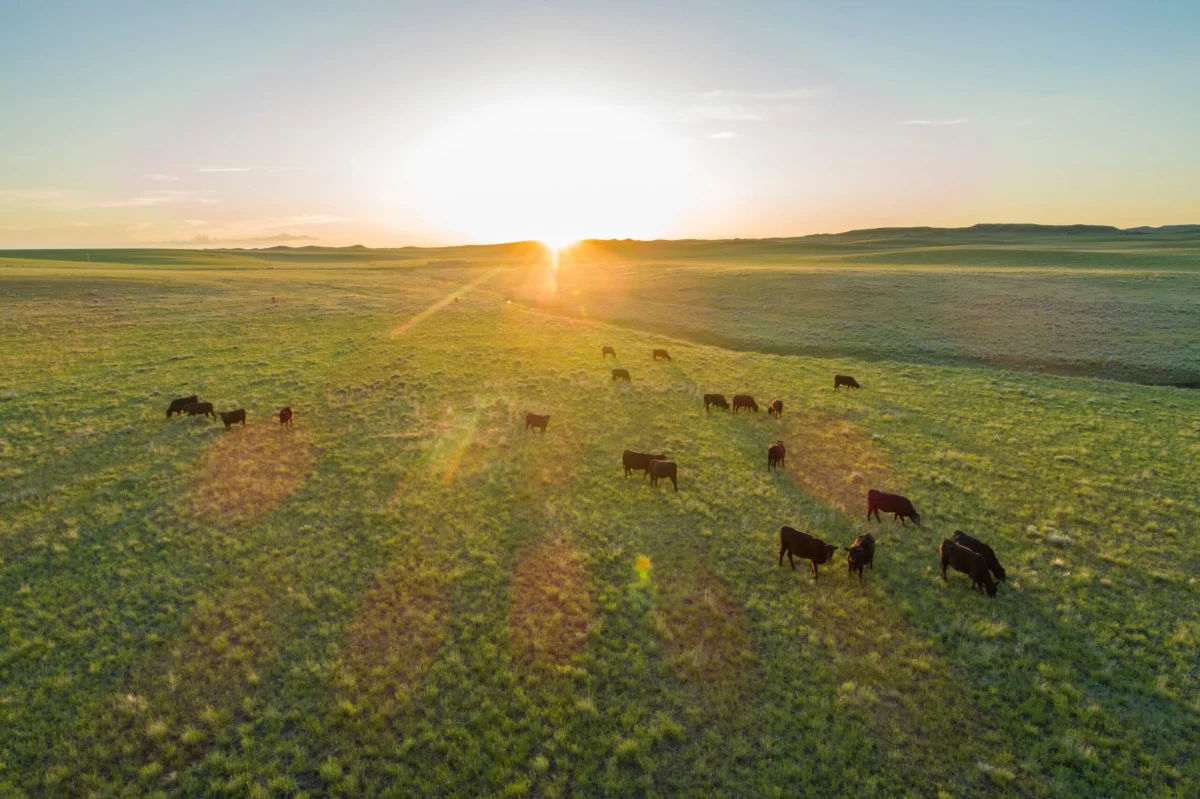
The health of North American grasslands has reached a critical juncture, prompting a new, comprehensive analysis from the National Audubon Society that outlines how targeted land management can simultaneously restore avian populations, sequester atmospheric carbon, and bolster rural agricultural economies. As the most endangered ecosystem in North America, grasslands are currently facing unprecedented pressure from climate change, habitat fragmentation, and industrial conversion. The release of the Audubon brief, Managing U.S. Grasslands for Birds, Carbon, and Co-benefits, provides a science-based roadmap for land managers, policymakers, and private ranchers to adopt "triple-win" strategies that align ecological recovery with working land productivity.
The Ecological Crisis of the Great Plains
To understand the urgency of this new publication, one must consider the trajectory of North American bird populations. Since 1970, the continent has lost more than one-fourth of its total bird population—a staggering three billion individuals. Within this decline, grassland-dependent species have fared the worst, experiencing a 53% reduction in population numbers over the last half-century. Species such as the Western Meadowlark, the Bobolink, and the Lesser Prairie-Chicken are facing an existential crisis driven by the systematic conversion of native prairies into monoculture row-crop agriculture and suburban development.
The loss of these ecosystems is not merely a loss of biodiversity; it is a loss of vital environmental services. Grasslands act as massive carbon sinks, storing vast quantities of organic carbon within their deep, complex root systems. When these lands are tilled or overgrazed to the point of degradation, that carbon is released back into the atmosphere, exacerbating the global climate crisis.
Chronology of Audubon’s Conservation Strategy
The path to the current management brief began in earnest in 2021, when the National Audubon Society published its foundational Natural Climate Solutions Report. That document established a geographic hierarchy of priority sites across the United States where protection and restoration efforts would yield the highest return on investment for climate mitigation.
Following that report, further peer-reviewed research published in the journal Scientific Reports identified specific intersectional zones—areas where ecological restoration could produce simultaneous benefits for avian migration corridors, soil carbon sequestration, and local rural communities. The release of the current management brief in 2024 represents the third phase of this strategic initiative, transitioning from high-level geographic identification to granular, site-specific management tactics.
Identifying the "Triple Wins"
The core of the Audubon brief is the evaluation of eight distinct land management practices. Through a synthesis of existing ecological data, researchers identified four practices that consistently deliver what the organization terms "triple wins"—simultaneous improvements in bird habitat, carbon storage, and environmental resilience.
- Adaptive Grazing: Unlike traditional continuous grazing, which can lead to overgrazing and soil compaction, adaptive grazing mimics the natural movement of wild ungulates. By rotating livestock through pastures to allow for adequate recovery time, this method promotes deeper root growth and higher forage quality.
- Wetland Protection from Grazing: Riparian zones and prairie potholes are critical biodiversity hotspots. Restricting livestock access to these sensitive areas prevents erosion, protects water quality, and creates the dense, lush vegetation required for nesting birds.
- Control of Invasive Plant Species: Non-native grasses and shrubs often outcompete native species, providing poor nutritional value for cattle and inadequate nesting structures for birds. Targeted removal of these invaders allows for the resurgence of native prairie flora.
- Planting Native Species: Restoration of native plant diversity creates a complex, multi-layered habitat that supports a wider variety of insects, which in turn sustain bird populations.
The brief emphasizes that these are not universal prescriptions. The success of any of these four interventions is contingent upon the specific ecological context of the site, the timing of the implementation, and the intensity of the intervention.
Case Study: Oxbow Cattle Company
The efficacy of these strategies is not merely theoretical; it is visible in working landscapes like the Oxbow Cattle Company in Montana. Under the stewardship of Bart and Wendy Morris, the ranch operates under the Audubon Conservation Ranching certification. By reintroducing managed grazing regimes, the ranch has seen a marked improvement in soil health and the return of native insect populations, such as dung beetles, which are essential for nutrient cycling.
This model challenges the historical dichotomy that pitted agricultural productivity against conservation. By demonstrating that healthy, biodiverse grasslands produce more resilient forage and higher-quality beef, the ranch serves as a proof-of-concept for the wider adoption of sustainable ranching techniques.
Data-Driven Implications for Policy and Finance
The implications of the Audubon brief extend well beyond the ranch gate. By quantifying the benefits of specific practices, the report provides a framework for policymakers and conservation investors to direct funds toward high-impact projects.
According to data cited by agricultural researchers, the shift toward regenerative grazing and native grassland restoration could potentially sequester millions of metric tons of carbon annually. Furthermore, the economic co-benefits are significant. Improved soil water-holding capacity—a direct result of better grassland management—increases the drought resilience of working lands, providing a hedge against the increasing frequency of extreme weather events associated with climate change.
Conservation economists suggest that the "triple win" framework provides a mechanism for government programs, such as those within the U.S. Farm Bill, to incentivize outcomes rather than just processes. By moving away from rigid, one-size-fits-all mandates, federal agencies can support producers in implementing flexible, science-based strategies that prioritize local ecological outcomes.
Challenges to Large-Scale Implementation
Despite the clear benefits, the transition to these management practices faces significant hurdles. Chief among them is the "knowledge gap" and the requirement for consistent, long-term monitoring. Adaptive management requires land managers to observe, record, and adjust their strategies based on real-time feedback from the land. This requires time, training, and resources that many small-scale producers may not currently possess.
Furthermore, the lack of standardized metrics for "carbon sequestration" on private lands remains a barrier to entry for many ranchers looking to participate in emerging carbon credit markets. The Audubon brief addresses this by advocating for a focus on regional roadmaps and technical assistance, ensuring that producers have access to the scientific expertise required to navigate these complex ecosystems.
Future Outlook and Research Trajectory
The publication of this brief marks the beginning of a broader research series by the National Audubon Society. Future reports are slated to evaluate similar management practices across disparate ecosystems, including coastal wetlands and forest corridors.
The ultimate goal of this initiative is to create a national, data-backed standard for land management that treats biodiversity and climate stability as integral components of national infrastructure. As the climate continues to change, the resilience of U.S. grasslands will be a defining factor in the nation’s overall environmental health. By synthesizing ecological evidence with practical, producer-led solutions, the National Audubon Society is attempting to bridge the divide between top-down conservation policy and bottom-up land stewardship.
For conservation practitioners, the call to action is clear: science-based management must be applied with local nuance. For policymakers, the brief serves as a directive to prioritize funding for practices that provide measurable, multifaceted environmental benefits. As the Western Meadowlark and other grassland species continue to struggle, the implementation of these "triple-win" strategies may be the last, best chance to stabilize one of North America’s most vital and fragile landscapes.
