
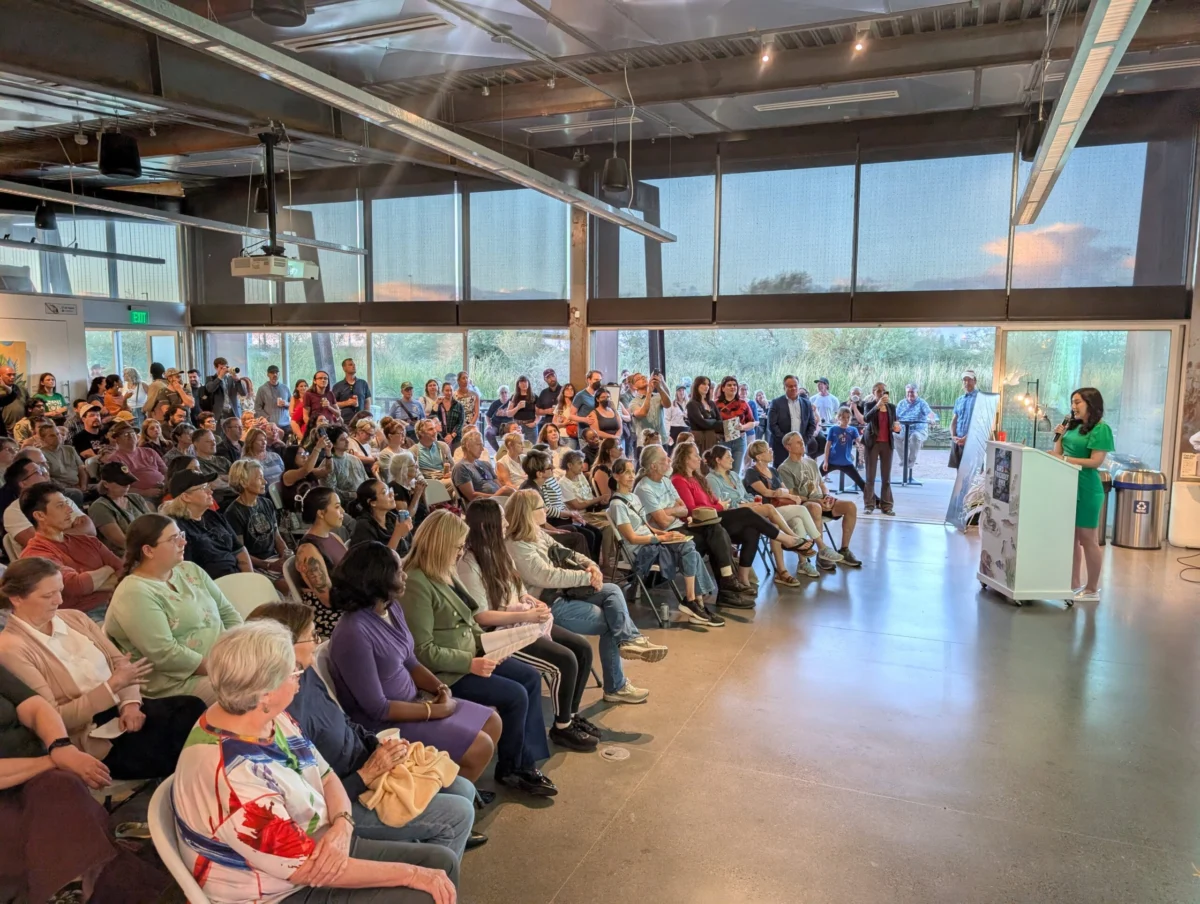
Audubon Southwest and the City of Phoenix have officially launched Bird-Friendly PHX, a collaborative initiative designed to integrate ecological stewardship into the urban fabric of Arizona’s capital. By encouraging residents to adopt specific environmental practices, the program seeks to mitigate the hazards of urban development and create a resilient corridor for birds. This project rests on a foundational urban planning philosophy: that a metropolitan environment capable of supporting diverse bird populations is fundamentally more sustainable and livable for human residents as well.
The formal inauguration of this partnership occurred on September 29, 2026, at the Nina Mason Pulliam Rio Salado Audubon Center in South Phoenix. The event served as both a launchpad for the community pledge and a forum for discussing the intersection of urban design and wildlife conservation. Among the speakers were Phoenix Mayor Kate Gallego, City of Phoenix Environmental Program Manager Tricia Balluff, and Audubon Southwest Senior Policy Director Haley Paul. The program highlighted the documentary Birds on the Move: Desert Rivers, which illustrates the vital role the Salt River ecosystem plays in the migratory pathways of the Pacific Flyway.
The Urban Challenge: Why Cities Matter for Conservation
The necessity for such an initiative is rooted in the increasing pressures placed on avian species by rapid urbanization. Phoenix, a sprawling desert metropolis, serves as a critical stopover point for migratory birds traversing the continent. These species rely on urban green spaces to rest and refuel. However, the built environment poses significant physiological and behavioral risks to these animals.
According to data from the Cornell Lab of Ornithology and the American Bird Conservancy, collisions with glass buildings account for an estimated 365 million to 1 billion bird deaths in the United States annually. In Phoenix, the issue is compounded by the “heat island” effect and the proliferation of reflective glass in commercial districts, which creates dangerous traps for birds that struggle to perceive windows as solid barriers.
Beyond physical collisions, light pollution—often referred to as “skyglow”—presents a silent threat. Migratory birds often travel at night, navigating by starlight and magnetic cues. Artificial light at night (ALAN) disorients these birds, drawing them toward urban centers where they become trapped by light, circling until they suffer from exhaustion. This depletion of vital energy reserves renders them less capable of completing their migration or successfully breeding upon arrival.
Chronology of the Initiative
The Bird-Friendly PHX program is the culmination of years of advocacy and environmental assessment by local stakeholders.
- Early 2024: Audubon Southwest initiates a series of urban habitat studies, identifying the Rio Salado corridor as a high-priority zone for biodiversity conservation.
- Late 2025: Preliminary discussions between the City of Phoenix Office of Sustainability and Audubon experts begin to align city planning goals with regional wildlife needs.
- Summer 2026: Public awareness campaigns begin to gain traction as the city experiences record-breaking heat, highlighting the importance of urban canopy and native vegetation for temperature regulation.
- September 29, 2026: Official launch of the Bird-Friendly PHX pledge at the Nina Mason Pulliam Rio Salado Audubon Center, marking the transition from policy discussion to community action.
- October 2026 and beyond: Implementation phase, where residents are encouraged to sign the digital pledge and adopt specific mitigation strategies at the household level.
Stakeholder Perspectives and Official Commitments
During the September launch, leadership emphasized that the initiative is not a top-down mandate but a call for collective responsibility. Mayor Kate Gallego underscored the city’s commitment to environmental resilience. "Phoenix is a city defined by its relationship with the desert," Mayor Gallego noted. "Protecting the birds that share this landscape is an essential component of our long-term environmental strategy. By making small, intentional changes at home, our residents contribute to a city-wide effort that enhances our quality of life and preserves our natural heritage."
Tricia Balluff, the City of Phoenix Environmental Program Manager, highlighted the operational side of the initiative. She noted that the city is looking at its own infrastructure, including municipal buildings and parks, to serve as a model for bird-friendly retrofitting. This includes testing bird-safe window films and adjusting outdoor lighting policies to reduce light trespass during peak migration months in both the spring and fall.
Haley Paul of Audubon Southwest added that the initiative is deeply rooted in science. "We are looking at how to make the entire city a functioning ecosystem," Paul stated. "We aren’t just creating islands of habitat; we are creating a network. Whether you have a balcony, a backyard, or a commercial office building, there is a tangible way to participate in this vision."
Data-Driven Solutions for Residential Participation
The core of the Bird-Friendly PHX program is the digital pledge, which outlines actionable steps that have been scientifically vetted to reduce avian mortality and improve habitat quality. The pledge focuses on four primary pillars:
- Light Management: Encouraging residents to turn off non-essential outdoor lights, particularly during the peak spring and fall migration periods (typically March–May and August–October). Shielding outdoor lights to point downward reduces skyglow and minimizes disorientation.
- Window Safety: Providing information on how to apply external decals, screens, or UV-reflective films to windows. Studies have shown that these measures can reduce collision rates by up to 90% by breaking up the reflection of the sky and foliage that lures birds into glass.
- Native Landscaping: Promoting the planting of native desert flora such as palo verde, mesquite, and various cactus species. Native plants provide the essential food sources—insects, seeds, and nectar—that birds need to survive in the arid Phoenix climate. Unlike non-native ornamentals, native vegetation is co-evolved with local insect populations, providing the protein-rich diet necessary for nestlings.
- Water Conservation and Provisioning: Maintaining clean, safe water sources for birds. While Phoenix is an arid environment, providing a birdbath or a small fountain can be a lifeline for local birds, provided the water is kept clean to prevent the spread of avian diseases.
Implications for Urban Resilience and Public Health
The implications of this initiative extend well beyond the bird population. Ecological research has consistently shown that environments conducive to wildlife are also beneficial for human mental and physical health. The "biophilia hypothesis" suggests that humans have an innate tendency to seek connections with nature and other forms of life.
By increasing the amount of native vegetation in Phoenix, the city can simultaneously combat the urban heat island effect. Native plants typically require less water and maintenance than non-native lawns, supporting the city’s water conservation goals during periods of regional drought. Furthermore, increased greenery and reduced light pollution can lead to improved air quality and better sleep quality for residents, creating a "co-benefit" model of development.
From an economic perspective, the Bird-Friendly PHX initiative also aligns with the growing trend of eco-tourism and wildlife observation. Arizona’s birding community is robust, and by fostering an environment where species like the Gilded Flicker or the Burrowing Owl can thrive, the city enhances its appeal to residents and visitors alike who value the unique biodiversity of the Sonoran Desert.
Looking Toward the Future
As the initiative progresses, the focus will shift toward scaling these efforts from individual homes to neighborhood-wide projects and commercial development standards. The long-term success of Bird-Friendly PHX will be measured not only by the number of pledges signed but by the density of migratory birds recorded in local monitoring programs and the reduction in reported window strikes.
The partnership between Audubon Southwest and the City of Phoenix represents a shift toward a more proactive, conservation-minded approach to urban management. It acknowledges that the boundaries between “city” and “wilderness” are increasingly porous. In the 21st century, cities must serve as stewards of the environment, not just as consumers of land.
By integrating these bird-friendly practices, Phoenix is positioning itself as a leader in the movement to harmonize human growth with ecological health. The initiative serves as a reminder that the health of the urban environment is inextricably linked to the health of the species that pass through or reside within it. As residents take the pledge, they are essentially signing on to a new vision of Phoenix—one where the city remains a vibrant, bustling center of human activity, but also a sanctuary where the desert ecosystem continues to pulse with life.
For those looking to participate, the Bird-Friendly PHX platform offers resources, guides, and updates on local events, ensuring that the momentum generated at the September launch continues to translate into measurable improvements for the local environment. Through sustained community involvement and data-backed policy, Phoenix is setting a precedent for how modern cities can navigate the challenges of climate change and urbanization while honoring the ecological legacy of their desert roots.
