
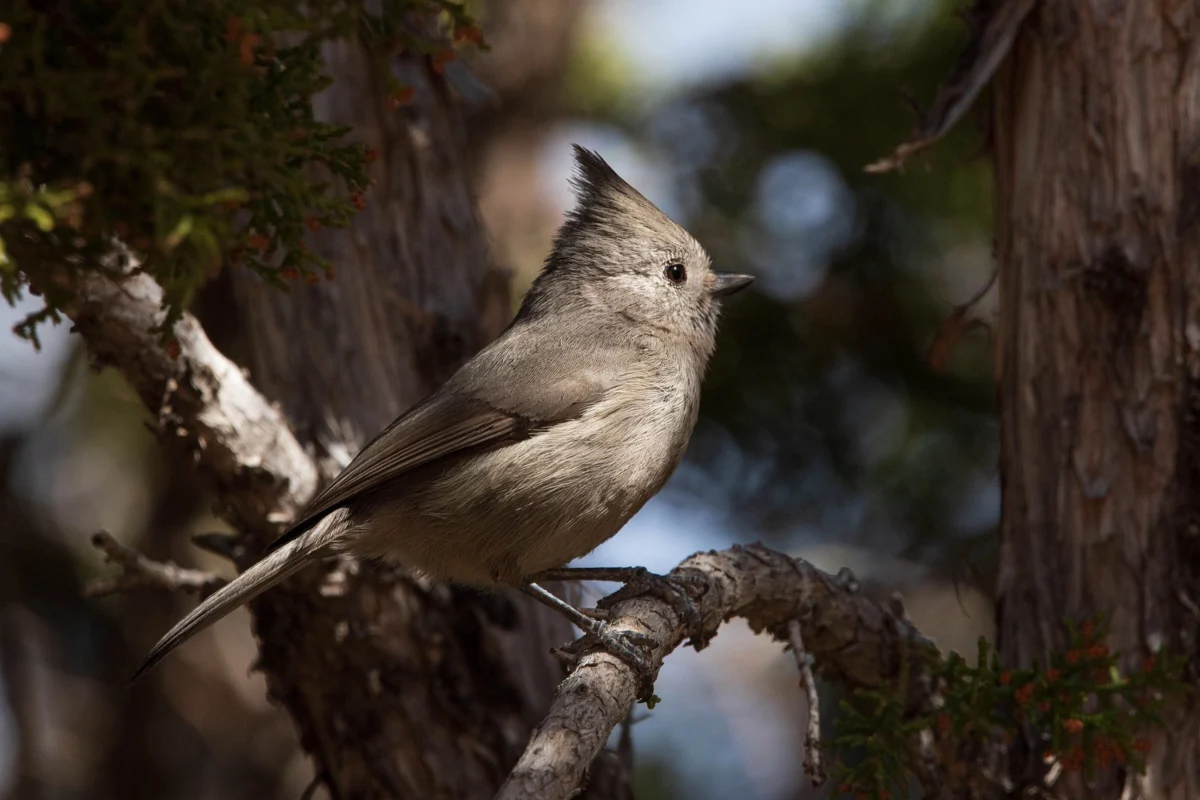
As the fourth most biodiverse state in the United States, New Mexico stands at a critical environmental crossroads. A new comprehensive report highlights that while the state possesses a unique ecological tapestry, it is facing unprecedented pressure from a changing climate. Prolonged, multi-year droughts, the threat of high-intensity wildfires, shrinking snowpacks, and increasingly severe summer heatwaves are placing an unsustainable strain on both the state’s natural habitats and its essential water supplies. To address these systemic threats, experts are increasingly calling for the integration of nature-based solutions—a strategy that utilizes the natural capacity of ecosystems to mitigate climate impacts, secure water resources, and protect the state’s economic future.
The Ecological Stakes
New Mexico’s ecological health is inextricably linked to its riparian areas and high-elevation forests. These zones are not only vital for the survival of the state’s at-risk bird populations—which rely on these corridors for migration and nesting—but they also serve as the frontline for carbon sequestration. By restoring these environments, the state can enhance its ability to absorb greenhouse gases while simultaneously creating natural buffers against drought and flood events.
The convergence of climate change and habitat degradation has created a feedback loop that threatens the state’s stability. When riparian areas are degraded, they lose their ability to filter water and maintain base flows during dry months. When forests become overcrowded or overly dry due to lack of snowpack, they become tinderboxes for catastrophic wildfires, which in turn destroy the very ecosystems that provide water filtration and soil stability.
Chronology of Environmental Stressors
The state’s current environmental situation is the result of decades of shifting climatic patterns:
- 2000–2010: The onset of the "Millennium Drought" began to alter the hydrology of the Rio Grande Basin, signaling a departure from historic precipitation averages.
- 2011–2015: Sustained heat records began to correlate with increased tree mortality in the high country, as bark beetle infestations thrived in warmer winters.
- 2018–2022: A series of extreme drought years led to the lowest recorded flows in many of New Mexico’s primary waterways, forcing local governments to implement emergency water conservation measures.
- 2023–2024: Legislative efforts began to shift toward "climate-resilient infrastructure," moving beyond purely structural engineering to incorporate natural resource management.
- 2025–2027: The current focus has pivoted toward scaling these efforts through increased funding and agency-wide coordination, culminating in the recommendations outlined in the recent report.
The Economic Case for Nature-Based Solutions
Contrary to the belief that environmental conservation acts as a drag on economic development, the report asserts that nature-based solutions are a catalyst for rural economic growth. By investing in the restoration of lands and waters, the state can facilitate job creation in sectors ranging from forestry and ecological consulting to sustainable agriculture.
These solutions function as "green infrastructure." Traditional "gray" infrastructure—such as concrete dams, levees, and pipes—often requires massive capital expenditure and ongoing maintenance costs. In contrast, healthy watersheds naturally regulate water flow, reduce sedimentation in reservoirs, and mitigate the damage caused by flash flooding. By prioritizing soil health and healthy forests, New Mexico can lower its long-term disaster recovery costs, potentially saving taxpayers millions of dollars in the wake of seasonal wildfires and flood events.
Existing Frameworks and State Initiatives
New Mexico is not starting from scratch. Several state-led programs have already laid the groundwork for a broader, more integrated approach to land management:
- The River Stewardship Program: Administered by the New Mexico Environment Department, this program provides critical grants to private entities and non-profits to restore riparian habitats. These projects focus on removing invasive species, re-establishing native vegetation, and stabilizing riverbanks.
- Soil and Water Conservation Districts: These local entities play a foundational role in implementing regenerative agricultural practices. By improving soil health, these districts help capture carbon and increase the water-holding capacity of the land, which is essential for drought resilience.
- Forest Health Initiatives: State agencies have increasingly prioritized forest thinning. By reducing the density of smaller, fire-prone trees, these projects mimic natural fire regimes, protecting old-growth forests and securing the watersheds that provide water to municipalities.
- Audubon Conservation Ranching Program: This private-landowner initiative emphasizes bird-friendly practices. By managing grazing patterns and planting native grasses, ranchers can improve the biodiversity of their land while maintaining the economic viability of their operations.
Analysis: Bridging the Gap Between Policy and Action
The primary challenge facing these programs is not a lack of scientific consensus or methodology, but rather a lack of consistent, scaled funding. While individual projects have proven successful, the report argues that for nature-based solutions to reach the necessary scale, they must be integrated into the state’s capital outlay processes and legislative priorities.
From an analytical perspective, the shift toward nature-based solutions represents a transition from "reactive" to "proactive" governance. In previous decades, disaster management in New Mexico was primarily focused on response—fighting fires once they started or repairing infrastructure after a flood. The new strategy focuses on the "pre-impact" phase. By hardening the landscape, the state essentially buys time and resilience for its communities.
Legislative Outlook and Future Directions
Looking toward the upcoming legislative session in January 2027, environmental advocates and policy analysts are calling for a significant increase in appropriations for these programs. The objective is to transition these initiatives from pilot-scale successes to statewide standards of practice.
Audubon Southwest and other conservation groups are expected to lobby for a multi-pronged funding strategy. This includes:
- Dedicated Appropriations: Securing line-item funding for riparian restoration that is decoupled from annual budget volatility.
- Inter-agency Coordination: Creating a formal mechanism for the Environment Department, the State Land Office, and the Department of Game and Fish to collaborate on landscape-scale projects that transcend property boundaries.
- Incentivizing Private Participation: Expanding tax credits and grant opportunities for private landowners who adopt soil-health and habitat-restoration practices.
The Broader Impact on New Mexico Communities
The implications of these policies extend far beyond the conservation of avian species. For the citizens of New Mexico, this is fundamentally an issue of water security. The Rio Grande and the Pecos River are the lifelines of the state; their health dictates the stability of the agricultural sector, the availability of municipal water, and the vitality of the tourism and recreation industries.
When riparian buffers are restored, water quality improves, reducing the cost of water treatment for cities and towns. When rangelands are managed for health, they provide better forage for livestock and greater protection against wind erosion, which currently degrades air quality in many rural communities.
Furthermore, as climate-related displacement becomes a growing concern globally, New Mexico has the opportunity to model a form of "climate-resilient development." By proving that a state can maintain its biodiversity while simultaneously supporting economic activity, New Mexico can secure a more stable future for its residents.
Conclusion
The transition toward nature-based solutions is not merely an environmental preference; it is a pragmatic response to the changing realities of the American Southwest. The recommendations provided in the recent report offer a clear, actionable roadmap for policymakers. By leveraging existing programs like the River Stewardship Program and the Audubon Conservation Ranching initiative, and by committing to sustained funding in the 2027 legislative cycle, New Mexico can transform its landscapes into a resilient defense against the escalating impacts of climate change. The goal is clear: to ensure that the state’s natural heritage remains a foundation for a healthy, thriving, and economically secure society for generations to come. The success of this effort will ultimately be measured by the resilience of the state’s watersheds, the health of its rangelands, and the ability of its diverse ecosystems to continue supporting the life that defines New Mexico.
