
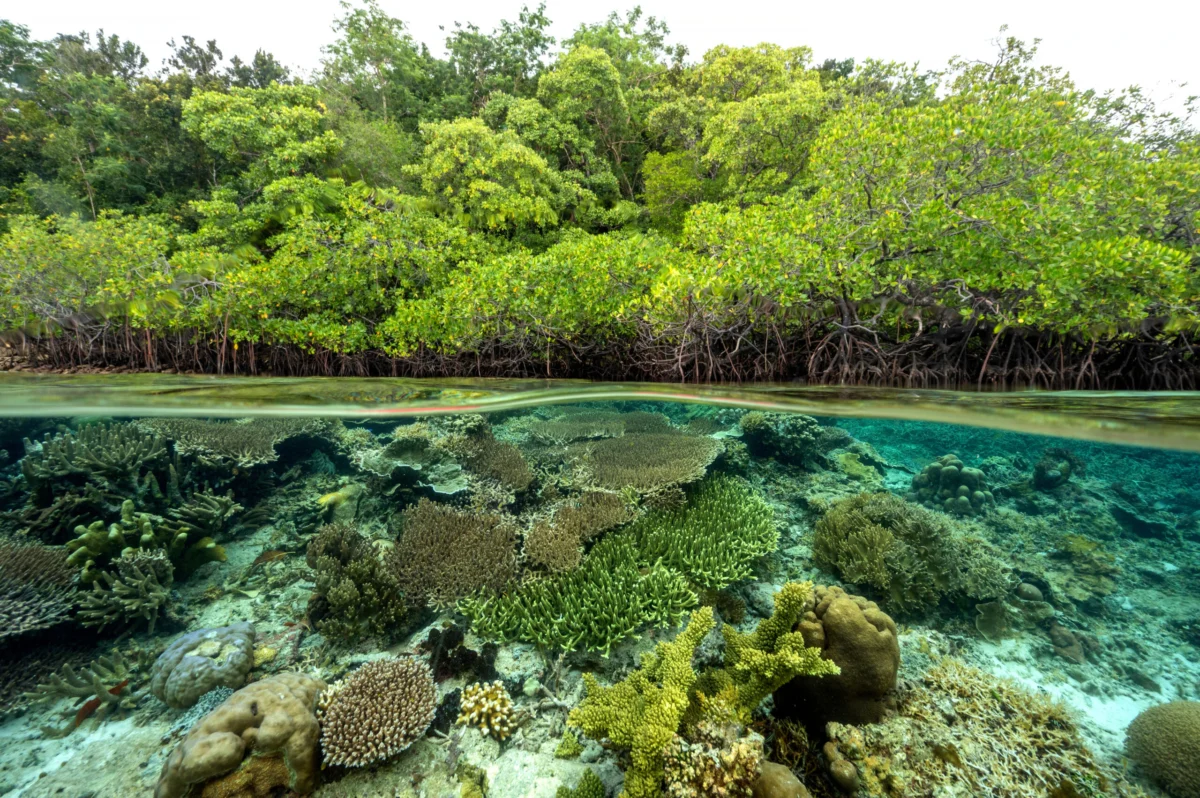
Ecuador’s ecological identity is globally synonymous with the biodiversity of the Amazon jungle, the evolutionary wonders of the Andean highlands, and the volcanic isolation of the Galápagos Islands. Yet, woven along the country’s vast Pacific coastline lies a less celebrated, highly critical ecosystem: lush mangrove forests spanning approximately 1,550 square kilometers—an area roughly equivalent to the size of Rome. These tidal forests are ecological powerhouses, providing coastal defense against storm surges, acting as natural carbon sinks known as blue carbon, and sustaining generations of local communities who harvest crabs, black-shelled cockles (conchas negras), and timber.
Despite their invaluable environmental and socioeconomic functions, Ecuador has experienced a staggering decline in its mangrove coverage. Since 1970, the nation has lost nearly 30% of these vital coastal ecosystems. Historically, this degradation was driven by the rapid, unregulated expansion of shrimp farming and the conversion of coastal zones for alternative economic uses during periods of lax environmental oversight. Although modern technological advances, stricter regulations, and improved management practices have since enhanced the productivity of the shrimp sector—proving that sustainable aquaculture can coexist with coastal preservation—legacy damage, persistent pollution, and the mounting pressures of global climate change continue to threaten the remaining forests.
In response to these persistent threats, a transformative initiative is taking root. Backed by international funding and advanced geospatial technology, Ecuador is currently developing a pioneering, community-based early warning system. Scheduled for deployment by the end of the year, this initiative bridges high-tech satellite monitoring with localized, traditional custodianship, offering a potential blueprint for coastal conservation worldwide.
The Chronology of Coastal Conservation and Crisis
The plight of Ecuador’s mangroves is deeply tied to the commercial history of its coastal development. Understanding the timeline of this ecological trajectory highlights the urgency behind current restoration efforts:
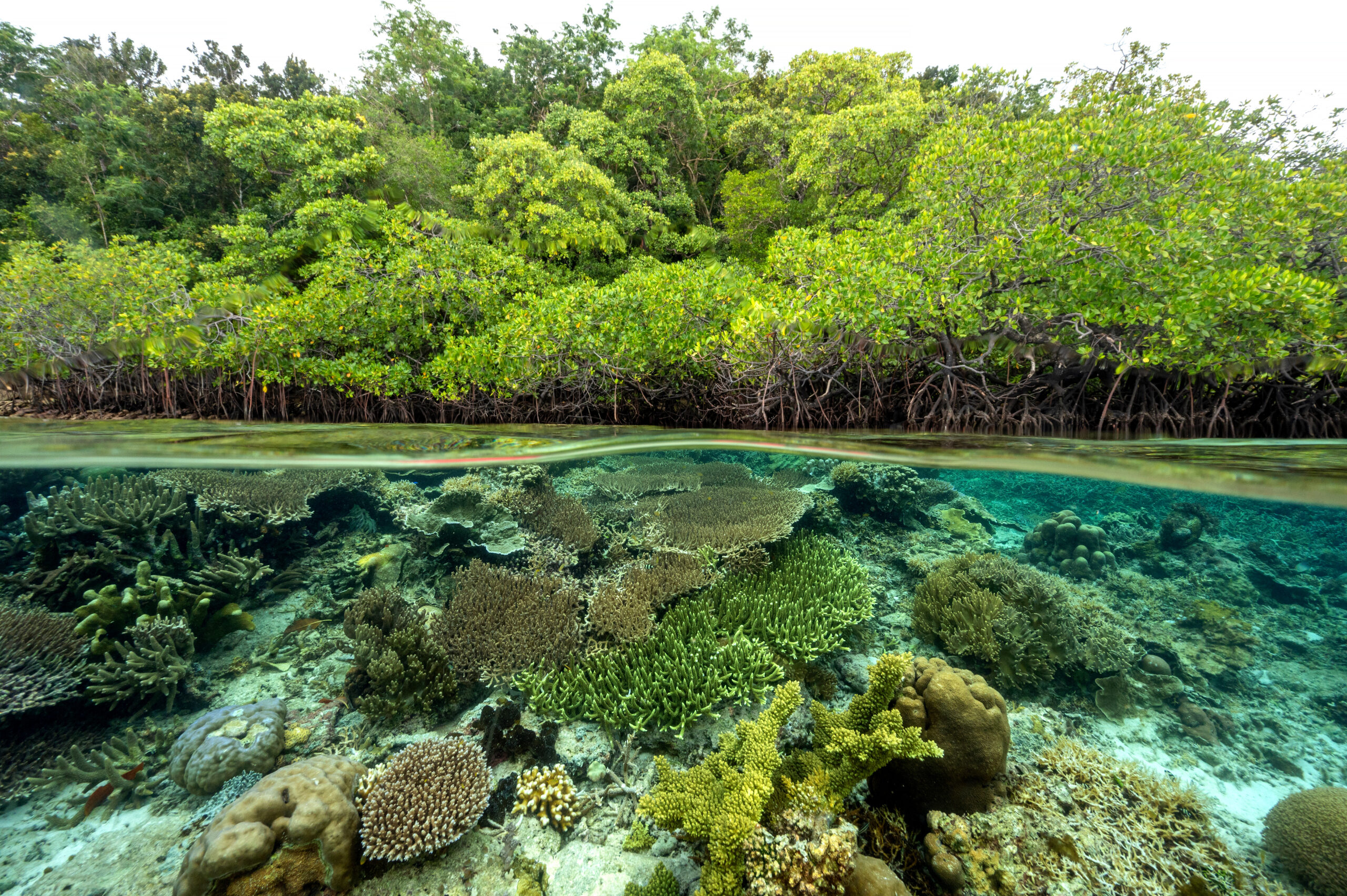
- Pre-1970s: Mangrove ecosystems remained largely intact, governed by traditional practices and customary use by ancestral coastal communities who relied on them for subsistence and small-scale harvesting.
- The 1970s to 1990s: Driven by soaring international demand for seafood, industrial aquaculture surged. Large tracts of mangrove forests were cleared and converted into commercial shrimp ponds, leading to an estimated 30% loss of total cover over subsequent decades.
- The 2000s and 2010s: Recognizing the ecological crisis, Ecuador began establishing robust legal frameworks. The Ecuadorian Constitution, the Organic Environmental Code, and specific decrees introduced strict prohibitions against unauthorized mangrove clearing, mandated restoration, and formally recognized community stewardship.
- 2023–2024: The Ecuador chapter of the Global Mangrove Alliance (GMA) secured a significant USD 1.5 million grant to bolster local mangrove initiatives, setting the stage for advanced technological integration.
- 2025–Present: The Nature Conservancy (TNC) Ecuador partnered with the International Center for Research on the El Niño Phenomenon (CIIFEN) to design and implement an innovative, real-time early warning system across pilot sites in the Gulf of Guayaquil.
Institutional Strength and Legal Frameworks
Unlike many developing nations where environmental laws exist merely on paper, Ecuador boasts one of the most robust legal architectures for mangrove protection in the Americas. Mangroves are constitutionally protected, and a suite of national codes restricts commercial clearing while incentivizing active stewardship.
This legal foundation seamlessly integrates with global environmental frameworks. Ecuador’s national targets align directly with its Nationally Determined Contributions (NDCs) under the Paris Agreement and its commitments to the global 30×30 biodiversity initiative, which aims to protect 30% of the planet’s land and oceans by 2030.
Furthermore, Ecuador has pioneered mature, nationally embedded incentive mechanisms such as Socio Manglar and the Custody and Sustainable Use of Mangrove Agreements (AUSCEMs). These programs successfully channel public funds and donor financing directly to ancestral and traditional users who act as active guardians of the forests, proving that conservation is most effective when local livelihoods are financially supported and legally secured.
Marrying Satellite Technology with Grassroots Expertise
At the heart of the current initiative is a collaborative project spearheaded by the GMA Ecuador chapter, TNC Ecuador, and CIIFEN. Leveraging the USD 1.5 million grant, the consortium is developing an early warning platform tailored for four pilot AUSCEMs in the Gulf of Guayaquil.
Rather than relying solely on top-down directives, the system is built on a two-way street that merges cutting-edge space technology with on-the-ground observations. The platform integrates Global Monitoring Watch (GMW)—a dynamic satellite-based mapping initiative managed by Wetlands International in cooperation with The Nature Conservancy, SoloEO, and Aberystwyth University—into custom mobile and web applications.

Through these digital interfaces, mangrove custodians in the Gulf of Guayaquil receive automated Mangrove Disturbance Alerts (MDAs) derived from satellite imagery. Local guardians can then deploy to the field to investigate, ground-truth, and validate these disturbances. Conversely, observations made by community members are fed back into the system, offering vital crowdsourced data that helps refine and calibrate satellite-based analysis.
"Our goal is to create a two-way street: not only opening doors for more people to access Global Mangrove Watch but also allowing GMW to benefit from communities’ insights," explains Sebastián Rivera Ruano, a full-stack developer working on the early warning system.
The Critical Role of Protocols and Stakeholder Coordination
Experts emphasize that deploying technological tools is only half the battle. Without robust institutional protocols, real-time data cannot translate into meaningful on-the-ground enforcement or remediation.
"One of the most important things about early warning systems is that we need them to be more than just technological platforms," notes Pier Luiggi Maquilón Lipari, a climate services developer at CIIFEN Computer Science. "Protocols and coordination between stakeholders are of critical importance such that timely and coordinated action can be taken."
This philosophy of radical collaboration has attracted keen interest from the Ecuadorian government, particularly the Subsecretaría Marino Costera y Oceánica (Undersecretariat for Marine, Coastal, and Oceanic Affairs). Past iterations of Global Mangrove Watch data have already been utilized to cross-examine and validate official national inventories regarding mangrove extent.
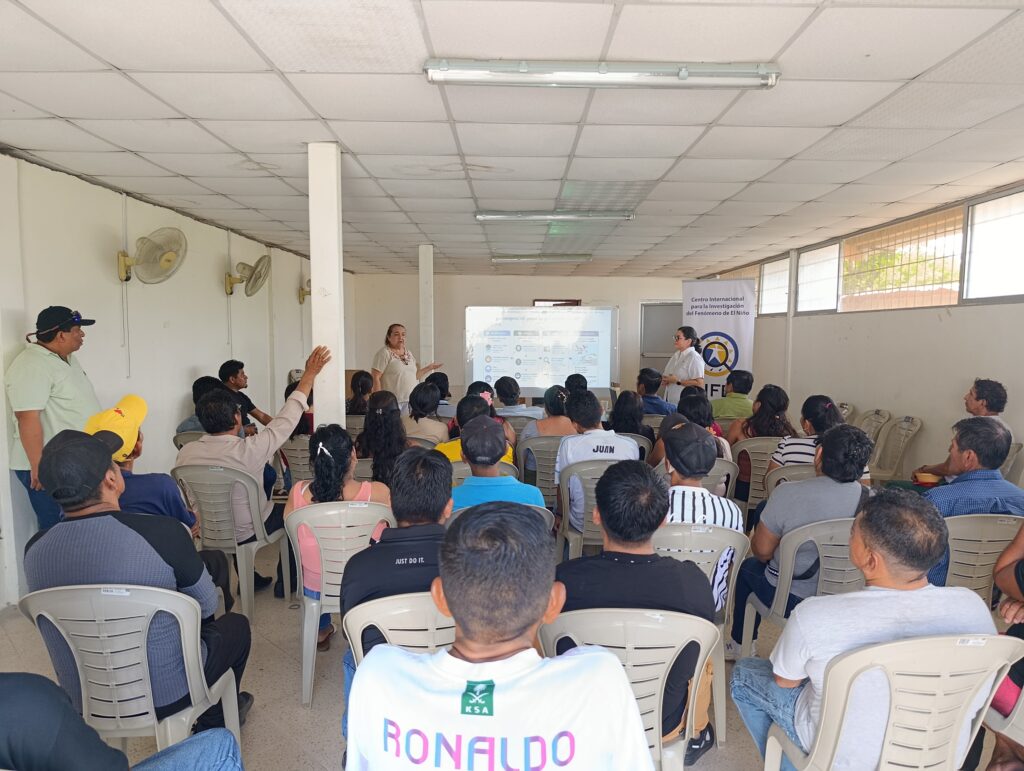
Elba Alissie Fiallo Cobos, Coordinator of the Coastal Marine Strategy at TNC Ecuador, underscores the value of these integrated datasets: "Some of the most useful information available on Global Mangrove Watch for me is data on mangrove blue carbon as well as national and regional climate policies."
Diana Carolina Espinoza Ramirez, a GIS specialist at CIIFEN, adds: "Using Global Mangrove Watch, we’ve identified areas requiring monitoring attention. Our hope is that this information can be used by the government to prioritize its mangrove protection and restoration policies."
Broader Implications and Future Outlook
The convergence of government support, international funding, academic expertise, and local grassroots stewardship represents a paradigm shift in how Ecuador approaches environmental management. As Elba Fiallo Cobos articulates: "At TNC Ecuador, we promote collaborative work among local communities, government authorities, academia, and the private sector to advance more sustainable development models that contribute to both mangrove conservation and human well-being, recognising that confrontation between conservation and production is not useful."
As the community-based early warning system prepares for its official rollout later this year, the consortium is rolling out comprehensive in-person training sessions and video tutorials across coastal communities. By empowering local custodians with digital literacy and real-time analytical tools, Ecuador is ensuring that the guardians of the coast are equipped to defend their ecosystems against emerging threats.
Supported by philanthropic foundations including the Postcode Loterij, Oak Foundation, COmON Foundation, Greenchoice, and Dob Ecology, the project serves as a compelling international case study. It demonstrates that when cutting-edge global technology is placed directly into the hands of local communities, the gap between high-level climate policy and boots-on-the-ground conservation can be successfully bridged.
