
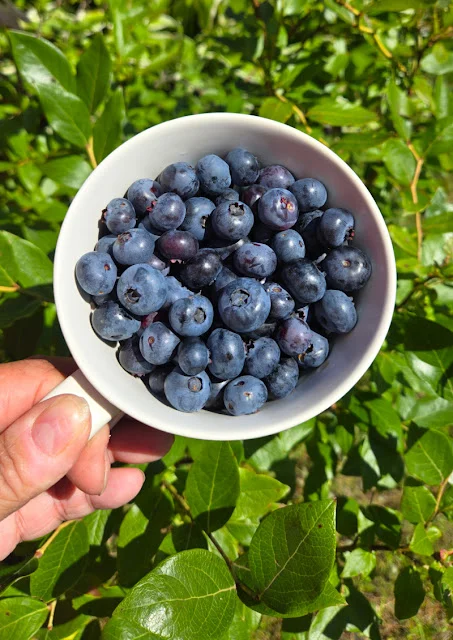
The inclusion of supplemental nutrients in the diet of backyard poultry has become a focal point for modern agricultural hobbyists and small-scale farmers looking to optimize the health and productivity of their flocks. Among the diverse array of dietary additions, blueberries (Vaccinium corymbosum and related species) have emerged as a highly recommended "superfood." Beyond serving as a palatable treat, these berries provide a dense profile of vitamins, minerals, and phytochemicals that contribute to the long-term wellness of domestic chickens and ducks.
The Nutritional Profile of Blueberries
Blueberries are chemically complex, offering a variety of compounds that support avian physiology. A standard serving of fresh blueberries is rich in Vitamin C, which is essential for collagen synthesis and immune function, and Vitamin K, which is critical for proper blood coagulation—a vital factor for birds prone to injury in outdoor environments.

Beyond basic vitamins, the berries contain significant levels of anthocyanins. These flavonoids are potent antioxidants responsible for the fruit’s deep blue pigmentation. In avian research, antioxidants are recognized for their role in neutralizing free radicals, thereby reducing systemic inflammation and protecting cardiovascular health. Furthermore, the presence of manganese and potassium supports skeletal development and electrolyte balance, respectively.
Perhaps most significant is the inclusion of prebiotics within the blueberry matrix. These non-digestible fibers serve as a substrate for beneficial gut microbiota. By fostering a healthy digestive environment, prebiotics help optimize the bioavailability of nutrients from a bird’s primary feed, potentially leading to improved weight maintenance and egg quality.
Historical Context and Evolution of Poultry Diets
The practice of supplementing chicken feed with produce is not a modern invention, though the scientific validation of specific fruits is relatively recent. Historically, small-scale poultry keepers often utilized kitchen scraps and seasonal forage to balance the diets of their birds. In the early 20th century, before the industrialization of poultry feed, farm-raised chickens were largely left to forage for insects and wild berries.

As the "backyard chicken" movement gained momentum in the early 2000s, the focus shifted from mere survival to optimal health management. Researchers and agricultural extension services began analyzing the impact of varied diets on egg-laying longevity. The current consensus among avian nutritionists is that while commercial layer pellets provide a baseline of necessary proteins and calcium, natural supplements like blueberries bridge the gap between "adequate" nutrition and "optimal" health.
Chronology of Dietary Integration
The transition toward incorporating antioxidant-rich foods into poultry husbandry can be mapped over the last two decades:
- 2005–2010: Increased interest in organic poultry farming prompted studies into the effects of natural antioxidants on the immune systems of broiler and layer birds.
- 2012–2015: The rise of social media and blogging communities allowed for the rapid dissemination of anecdotal data regarding the benefits of feeding blueberries, leading to widespread adoption among hobbyists.
- 2018–Present: Scientific interest has solidified, with veterinary journals increasingly documenting the role of diet-based inflammation reduction in extending the productive lifespan of backyard flocks.
Practical Application: Safety and Feeding Guidelines
While the health benefits are well-documented, the administration of blueberries requires adherence to specific safety protocols. A primary concern for small-bird owners is the risk of choking. Because blueberries vary in size, larger berries—or those offered to younger birds—should be sliced or halved to ensure they can be easily swallowed and digested.

Furthermore, the "10% Rule" remains the industry standard for supplemental feeding. Nutritional experts emphasize that treats should never exceed 10% of a chicken’s total daily caloric intake. For the average backyard chicken, this equates to approximately one to two tablespoons of blueberries per bird per day. Exceeding this threshold can lead to an imbalanced diet, where the bird consumes fewer essential nutrients from its primary feed, potentially resulting in decreased egg production or mineral deficiencies.
Analysis of Physiological Implications
The physiological impact of blueberries on a flock is multifaceted. Firstly, the anti-inflammatory properties of the fruit are believed to contribute to better cognitive function in aging birds. As chickens age, they are susceptible to various metabolic stresses; the regular ingestion of anthocyanins helps mitigate these risks.
Secondly, the impact on ocular health cannot be overlooked. The same antioxidants that benefit human vision are thought to assist in maintaining the integrity of a chicken’s vision, which is their most important sensory tool for navigation and predator detection. Finally, the role of blueberries in blood pressure regulation suggests a long-term benefit for the bird’s heart health, particularly in breeds that are genetically predisposed to cardiovascular strain.

Expert Perspectives and Industry Standards
Leading figures in the poultry husbandry sector, including researchers like Lisa Steele of Fresh Eggs Daily, have long advocated for a holistic approach to feeding. According to professional guidelines, the integration of blueberries should be viewed as part of a broader, well-balanced nutritional program that includes a variety of safe, natural treats while strictly avoiding toxic foods—such as dried beans, avocado skins, or raw potatoes—which can be lethal.
The professional consensus holds that blueberries are one of the most effective ways to introduce complex, plant-based nutrients into a poultry diet. Unlike processed treats, which may contain excessive sugars or salt, fresh or frozen blueberries offer a clean, high-impact nutritional boost.
Broader Impact on Backyard Sustainability
The inclusion of nutrient-dense treats like blueberries has implications for the overall sustainability of backyard farming. By maintaining healthier flocks, owners reduce the frequency of veterinary interventions and potential losses due to illness. Furthermore, the act of providing varied food sources encourages natural foraging behaviors, which are essential for the psychological well-being of the birds.

From a resource management perspective, utilizing seasonal produce—whether it is low-bush wild berries or cultivated high-bush varieties—allows for a diversified diet that mimics the bird’s ancestral patterns. This approach is increasingly recognized as a cornerstone of ethical, high-welfare poultry management.
Conclusion and Best Practices
When integrating blueberries into a regular feeding schedule, it is vital to maintain a balanced view. While these berries are a potent source of vitamins and prebiotics, they should function as a supplement rather than a substitute for balanced, nutrient-fortified commercial feed.
Owners should prioritize the following:

- Portion Control: Monitor intake to ensure berries do not exceed 10% of the daily diet.
- Preparation: Slice large berries to prevent choking hazards.
- Source Integrity: Ensure that all fruit provided is free from pesticides or chemical fertilizers, which can be particularly harmful to smaller avian systems.
- Consistency: Incorporate berries as part of a routine, rather than an erratic or overwhelming influx, to maintain gut flora stability.
By adhering to these science-backed guidelines, poultry keepers can effectively leverage the nutritional potential of blueberries, ensuring their flocks remain vibrant, healthy, and productive for years to come. The move toward nutrient-dense, natural supplementation is a clear trend in the evolution of animal husbandry, reflecting a deeper commitment to the welfare and long-term health of backyard poultry.
