
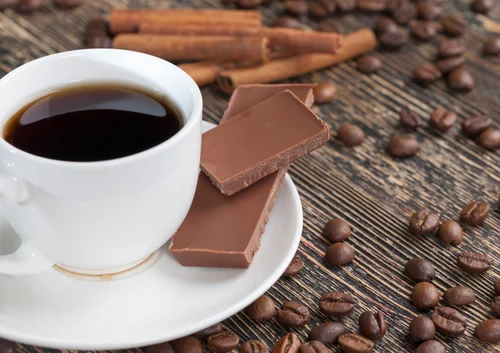
The rise in popularity of urban and suburban backyard chicken keeping has brought a surge of interest in the nutritional needs of domestic poultry. As more households integrate chickens into their daily lives, the lines between human diet and livestock feed often blur. However, avian biology is distinct from human physiology, and substances that are common in the human pantry can prove catastrophic for a flock. Among the most dangerous items often inadvertently offered to chickens are chocolate, coffee, and other caffeine-containing products. Veterinary experts and poultry scientists emphasize that these items are not merely unhealthy; they are toxic and potentially fatal.
The Biological Mechanism of Toxicity
The primary danger posed by chocolate and caffeine to chickens lies in two specific chemical compounds: methylxanthines and theobromine. Methylxanthines are a class of alkaloids that include caffeine, theobromine, and theophylline. When ingested by birds, these substances act as potent stimulants on the central nervous system and the cardiovascular system.
In humans, caffeine is metabolized relatively efficiently, providing a temporary energy boost. In chickens, the metabolic process is vastly different. When a chicken consumes even a small amount of caffeine, it triggers an immediate and dangerous increase in heart rate and blood pressure. Because a chicken’s heart rate is naturally much faster than a human’s—often ranging between 250 and 350 beats per minute—the artificial acceleration caused by methylxanthines can quickly lead to cardiac arrhythmia and, in many cases, total cardiac arrest.

Theobromine, the specific alkaloid found in high concentrations in cocoa products, presents a dual threat. While it is toxic to many species, including dogs and cats, its effect on avian species is particularly severe due to their high metabolic rate. Theobromine inhibits the reuptake of certain neurotransmitters and prevents the proper relaxation of cardiac muscles, leading to the rapid onset of clinical signs such as vomiting, diarrhea, tremors, and seizures.
A Chronology of Nutritional Awareness
The understanding of avian toxicology has evolved significantly over the past two decades. In the early 2000s, as the "backyard movement" gained momentum, veterinary literature began to shift from focusing solely on commercial agricultural poultry to addressing the unique needs of backyard hobbyists.
In 2012 and 2013, prominent avian experts and researchers began formalizing lists of "toxic treats" for backyard flocks to combat the growing trend of owners feeding their birds kitchen scraps without verifying the safety of the contents. Before this period, incidents of accidental poisoning were frequently attributed to "unknown causes" or "sudden death syndrome," a catch-all term often used when a bird died without obvious external trauma. As necropsies became more accessible to backyard keepers, researchers were able to correlate sudden cardiac failure in domestic chickens with the presence of trace amounts of processed human foods, specifically those containing refined sugar, fat, and stimulants.
Supporting Data and Physiological Risks
The severity of the reaction to these substances depends on the weight of the bird and the concentration of the toxin. For a standard-sized hen weighing approximately five to six pounds, the threshold for toxicity is remarkably low.

According to veterinary toxicology databases, the lethal dose of theobromine for birds is estimated to be significantly lower than that of dogs. Because chickens lack the specialized enzymes required to break down these alkaloids efficiently, the toxins accumulate in the bloodstream. A single piece of dark chocolate, which contains a higher percentage of cocoa solids, can contain enough theobromine to induce symptoms within hours.
Beyond the immediate threat of cardiac arrest, these items introduce systemic stress. The high fat and sugar content found in chocolate-based sweets—such as donuts, cakes, and cookies—contributes to obesity and fatty liver hemorrhagic syndrome. When a chicken is already struggling to process a toxic load of caffeine, the added stress of metabolic strain from processed sugars further compromises the liver’s ability to detoxify the blood, creating a compounding effect that accelerates mortality.
Veterinary and Scientific Perspectives
Poultry scientists and avian veterinarians maintain a consensus: there is no "safe" level of chocolate or caffeine for a chicken. While some owners might argue that a small crumb of a chocolate donut is negligible, experts contend that this is a misconception based on human-centric metabolism.
"The risk-to-benefit ratio is non-existent," notes Dr. Elena Vance, an avian nutritionist. "Chickens derive no nutritional value from chocolate or caffeine. Even if a bird does not die immediately from a single exposure, the cumulative effect of low-level exposure to stimulants can cause long-term cardiovascular damage, reduced egg production, and a weakened immune system."

Furthermore, the behavioral aspect of flock management is often ignored. When one bird in a flock consumes a toxic item, the rest of the flock may follow, leading to a mass poisoning event. Because chickens are social, flock-oriented animals, the introduction of a high-energy, stimulant-laced treat can lead to erratic behavior, which in turn causes stress and potential injury during the ensuing competitive feeding frenzy.
Broader Implications for Flock Management
The inclusion of toxic items in a flock’s diet often stems from a lack of awareness rather than negligence. However, the legal and ethical implications for the owner are significant. In many jurisdictions, the welfare of backyard poultry is subject to the same humane treatment standards as other livestock. Purposely or accidentally exposing a flock to known toxins can be interpreted as a failure of basic animal husbandry.
The broader implication of this issue is the necessity for consumer education. As the market for backyard eggs and poultry grows, so too does the need for standardized guidelines on proper feed. The modern, information-rich environment allows for the rapid dissemination of toxicological data, yet myths persist. For example, some owners falsely believe that because chickens can eat some "human foods," they can eat anything. This is a dangerous oversimplification that requires correction through clear, science-backed guidance.
Best Practices for Poultry Nutrition
To ensure the long-term health and productivity of a backyard flock, owners should adhere to a strict nutritional regime. A balanced commercial layer feed should constitute the majority of a chicken’s diet. Treats, if given, should be limited to items that provide nutritional enrichment without toxic risk. Safe alternatives include:

- Leafy Greens: Kale, spinach, and Swiss chard provide essential vitamins and fiber.
- Vegetables: Cucumber, squash, and broccoli are excellent sources of hydration and nutrients.
- Grains: Oats and cracked corn (in moderation) provide the necessary carbohydrates for energy.
- Fruits: Berries, melons, and apples (without seeds) are safe in small quantities.
It is equally important to maintain a clean environment, ensuring that coffee grounds—often used as garden compost—are kept strictly out of reach of the birds. While coffee grounds are excellent for nitrogen-rich soil, they are a frequent culprit in accidental poultry ingestion. Ensuring that compost piles are fenced off or kept in enclosed bins is a critical step in preventing exposure.
Conclusion: A Preventive Approach
The safety of a backyard flock is entirely dependent on the decisions made by the owner. By recognizing that chickens are not "garbage disposals" for kitchen waste, owners can avoid unnecessary tragedy. The evidence regarding the toxicity of chocolate, coffee, and caffeine is conclusive: these substances pose a severe, life-threatening risk to the cardiovascular and nervous systems of birds.
As the community of poultry keepers continues to expand, the prioritization of evidence-based nutrition remains the most effective tool in preventing illness. Education on what to avoid—and why—is the cornerstone of responsible animal husbandry. For those dedicated to raising happy, healthy, and productive poultry, the exclusion of all forms of chocolate and caffeine from the diet is not merely a recommendation; it is a fundamental requirement for the welfare of the flock. By adhering to these guidelines and focusing on nutrient-dense, species-appropriate treats, owners can foster a safe environment that allows their birds to thrive for years to come.
