
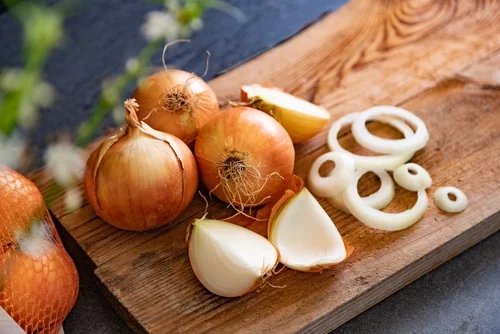
The dietary management of backyard poultry flocks has become a subject of increasing scrutiny as urban and suburban farming practices continue to expand globally. Among the most critical nutritional concerns for chicken owners is the distinction between safe kitchen scraps and substances that pose a physiological threat to avian health. Recent veterinary research and agricultural extension services have established a firm consensus regarding the inclusion of the Allium genus—which includes onions, garlic, leeks, chives, and scallions—in the diets of domestic chickens. While many kitchen leftovers are repurposed as supplemental feed, onions are strictly contraindicated due to the presence of the organosulfur compound known as thiosulphate.

The Mechanism of Toxicity: Thiosulphate and Avian Physiology
The physiological danger posed by onions stems from their high concentration of thiosulphate. In avian biology, as in many other species including canines and felines, this compound acts as an oxidative agent. When ingested, thiosulphate is metabolized and enters the bloodstream, where it triggers the oxidation of hemoglobin. This process converts hemoglobin into methemoglobin, a form that is significantly less efficient at binding and transporting oxygen throughout the body.
Furthermore, thiosulphate causes the formation of Heinz bodies within red blood cells. Heinz bodies are clumps of denatured hemoglobin that adhere to the inner surface of the cell membrane, leading to structural instability. As these compromised red blood cells circulate through the spleen, they are recognized as abnormal and are prematurely destroyed. When the rate of red blood cell destruction exceeds the bird’s ability to regenerate them through hematopoiesis, the chicken develops hemolytic anemia. This condition can rapidly deteriorate into jaundice, characterized by the yellowing of the skin and tissues due to the accumulation of bilirubin, a byproduct of excessive blood cell breakdown.

Clinical Manifestations of Allium Poisoning
The progression of toxicity in chickens can be subtle in its early stages but often presents with a predictable cluster of symptoms as the condition advances. Poultry keepers are advised to monitor for signs of distress if they suspect accidental ingestion of onions. Initial indicators often include a marked decrease in appetite and lethargy. As the anemia takes hold, the bird may exhibit respiratory distress, manifested as rapid or labored breathing, as the body struggles to compensate for the reduced oxygen-carrying capacity of the blood.
Secondary symptoms may include diarrhea, general weakness, and a loss of coordination. In severe cases, particularly where large quantities of raw onions have been consumed, the condition can be fatal. The speed of onset depends heavily on the quantity consumed and the individual bird’s body mass. Unlike some other toxins that require chronic exposure to cause damage, significant acute ingestion of onions can lead to a sudden and dangerous drop in hemoglobin levels.

A Comparative Analysis: The Garlic Exception
While the Allium genus is generally treated with caution, a distinction must be made between onions and garlic. The nutritional profiles of these plants differ in their concentration of sulfur-based compounds. Garlic contains a significantly lower concentration of thiosulphate compared to onions. Furthermore, the processing of garlic—such as drying, dehydrating, and grinding it into powder—further reduces the availability of these compounds.
Veterinary nutritionists often note that garlic, when administered in controlled, small amounts, does not carry the same risk profile as onions. In fact, many professional poultry keepers utilize garlic as a natural, low-dose supplement to support immune system function and respiratory health. When provided in moderation, or through the addition of garlic-infused water or processed powder to standard feed, the risk of inducing hemolytic anemia is considered negligible. The key factor is dosage; the toxicity threshold for garlic is significantly higher, meaning a bird would need to consume an impractical amount of raw garlic to suffer from the same oxidative stress associated with onions.

Historical Context and Modern Poultry Management
The historical practice of feeding kitchen scraps to livestock was born out of necessity and a desire to reduce waste. In the early 20th century, before the standardization of commercial poultry feed, chickens were often scavengers, consuming a diverse array of garden leftovers. However, as veterinary science advanced in the latter half of the century, the specific toxicological effects of certain common vegetables were documented.
Data from the Chicken DVM project and various avian veterinary databases have clarified that there is no nutritional "benefit" to feeding onions that justifies the inherent risk. While onions contain minor vitamins and minerals, these can be easily obtained through safer, more bioavailable sources such as leafy greens, legumes, and formulated layer pellets. The modern approach to backyard flock management prioritizes the "prevention over cure" philosophy. In this framework, any food item that introduces a metabolic risk—regardless of how small that risk might be—is categorized as inappropriate for the avian diet.

Broader Implications for Flock Owners
The implications for small-scale and backyard farmers are clear: dietary safety is a foundational component of flock health. The shift away from feeding onions is not merely a precautionary measure; it is an evidence-based practice supported by physiological data.
For those managing backyard flocks, the following guidelines are recommended:

- Source Control: Ensure that all food scraps being repurposed for chicken feed are thoroughly vetted for prohibited ingredients.
- Education: Inform family members and neighbors who may provide "treats" to the chickens about the specific dangers of Allium-containing vegetables.
- Alternative Treats: Focus on providing safe, high-nutrient treats such as kale, spinach, mealworms, or crushed eggshells, which provide calcium and essential nutrients without the risk of metabolic poisoning.
Conclusion: Maintaining a Safe Nutritional Environment
The health of a backyard flock is directly tied to the diligence of the keeper. While the temptation to share diverse kitchen scraps with poultry is high, the physiological limitations of the chicken’s digestive and circulatory systems must be respected. Onions, regardless of their preparation—raw, cooked, or dried—remain a persistent danger due to the presence of thiosulphate.
By avoiding onions and other members of the Allium family, owners can effectively eliminate a preventable cause of hemolytic anemia and jaundice. The scientific consensus serves as a reminder that the health of the flock is best maintained through a balanced, intentional diet that prioritizes safety over the convenience of disposing of kitchen scraps. As the practice of home-based poultry keeping continues to gain popularity, the dissemination of accurate, science-backed dietary information remains essential to ensuring the welfare of domestic birds worldwide. Through careful observation and strict adherence to nutritional guidelines, keepers can avoid the risks associated with toxic foods and ensure that their flocks remain healthy, productive, and resilient.
