
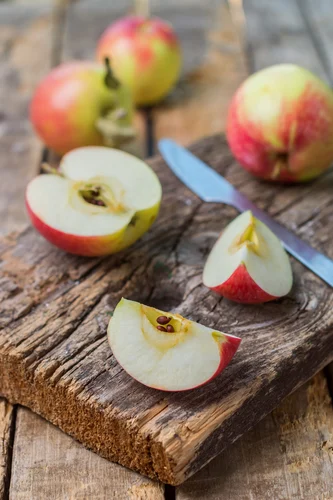
For many backyard poultry enthusiasts, the practice of providing supplemental treats is a core component of flock management, serving both as a nutritional boost and a form of environmental enrichment. Among the most popular additions to a chicken’s diet are orchard fruits, with apples frequently cited as a favorite. While apples provide essential dietary fiber and antioxidants that support gastrointestinal health, the inclusion of fruit in a poultry diet requires careful preparation. Specifically, the presence of amygdalin in apple seeds—a precursor to hydrogen cyanide—poses a recognized, albeit manageable, biological risk to avian health.
The Nutritional Profile and Benefits of Apples
Apples (Malus domestica) are nutrient-dense snacks that, when offered in moderation, provide significant health benefits to domestic chickens. These fruits are high in dietary fiber, which aids in maintaining regular digestive function, and are rich in polyphenols and antioxidants, such as quercetin and catechin. These compounds are known to reduce oxidative stress in poultry, potentially boosting immune system efficacy and improving overall metabolic health.

From a behavioral standpoint, apples serve as an effective tool for enrichment. Poultry keepers often slice, core, or hang the fruit, encouraging the flock to engage in natural pecking behaviors. This activity helps mitigate boredom, which is a common cause of stress-related behaviors in confined or backyard settings, such as feather pecking or cannibalism. Despite these advantages, the biological structure of the apple necessitates caution. The fruit itself—the flesh and the skin—is perfectly safe and highly palatable; however, the internal core contains seeds that contain chemical compounds capable of inducing toxicity.
Understanding the Mechanism of Cyanide Toxicity
The primary safety concern regarding apple consumption in chickens stems from the seeds, which house a cyanogenic glycoside known as amygdalin. Under normal circumstances, amygdalin remains inert. However, when the seed is physically crushed, chewed, or damaged, it comes into contact with specific enzymes within the plant tissue. This interaction triggers a chemical reaction that releases hydrogen cyanide (HCN), a potent respiratory toxin.
When ingested, hydrogen cyanide inhibits cytochrome c oxidase, an enzyme essential for cellular respiration. By blocking this enzyme, cyanide prevents cells from utilizing oxygen, essentially causing the organism to suffocate at a cellular level. While the amount of cyanide released from a single apple seed is negligible, the cumulative effect of consuming a large volume of seeds—or the ingestion of seeds by a bird with a compromised immune system—can lead to systemic toxicity.

Clinical Symptoms and Physiological Impact
The timeline for the onset of symptoms following the ingestion of toxic levels of cyanide is typically rapid. Because the toxin disrupts the body’s ability to process oxygen, the physiological impacts are centered on the respiratory and cardiovascular systems.
Key clinical indicators of cyanide poisoning in poultry include:
- Respiratory Distress: Labored breathing, rapid gasping, or visible shortness of breath.
- Cyanosis: A distinct bluish or purple tint to the comb and wattles, indicating a severe lack of oxygen in the blood.
- Cardiovascular Instability: A rapid or erratic heart rate, which may progress to low blood pressure and eventual cardiac arrest.
- Neurological Impairment: Loss of coordination, lethargy, loss of consciousness, and in severe cases, the onset of a coma.
Young, elderly, or already ill birds are statistically more susceptible to these effects. Because their metabolic reserves are often lower, they cannot neutralize or excrete toxins as effectively as a healthy, mature adult chicken. While it is rare for a bird to perish from the casual ingestion of a few seeds, the risk remains a critical consideration for flock managers, particularly when providing mass quantities of fruit.

Comparison with Other Cyanogenic Fruits
Apples are not the only common fruit that requires preparation. Other members of the Rosaceae family, including stone fruits such as peaches, plums, apricots, and cherries, also harbor cyanogenic compounds in their pits. The mechanism of toxicity in these pits is similar to that of apple seeds.
However, there is a functional difference in risk levels. Unlike the small, easily accessible seeds of an apple, the kernels of stone fruit pits are encased in a hard, woody endocarp. Under typical circumstances, a chicken’s beak is not strong enough to crack the pit to access the kernel, where the highest concentration of toxins resides. Despite this, safety protocols in the poultry industry dictate that all pits should be removed before fruit is offered. This preventative approach eliminates the risk entirely, ensuring that the fruit remains a safe treat rather than a potential health hazard.
Best Practices for Supplementing Poultry Diets
To incorporate apples safely into a flock’s diet, professional guidelines emphasize the "10% rule." According to established nutritional standards for backyard poultry, supplemental treats—including fruits, vegetables, and kitchen scraps—should not exceed 10% of the bird’s total daily caloric intake. For the average laying hen, this translates to roughly one to two tablespoons of fruit per day.

Over-supplementation can lead to nutritional imbalances. If a chicken consumes too many treats, it may reduce its intake of formulated, nutritionally balanced feed. This can result in deficiencies in essential vitamins, minerals, and proteins, ultimately leading to poor egg production, soft eggshells, or stunted growth in younger birds.
The recommended protocol for feeding apples includes:
- Selection: Choose fresh, high-quality apples free from mold or rot. Moldy fruit can contain mycotoxins, which are highly detrimental to avian health.
- Preparation: Wash the fruit thoroughly to remove pesticide residues.
- Coring: Use a coring tool or knife to remove the center of the apple entirely, ensuring no seeds remain.
- Portioning: Slice the fruit into manageable sizes to prevent choking and to ensure all birds in the flock have equitable access to the treat.
Broader Implications and Industry Standards
The debate surrounding the safety of "human food" for livestock often centers on the distinction between accidental exposure and intentional feeding. In professional agricultural settings, the risk management strategy is centered on bio-security and controlled diet. While backyard poultry keeping is less regulated than commercial farming, the same principles of risk assessment apply.

Research into avian nutrition underscores that while chickens are opportunistic omnivores capable of digesting a wide array of plant matter, their digestive systems are optimized for specific nutrient profiles. The inclusion of fruits like apples is an effective way to improve the quality of life for the birds, provided that the owner maintains strict oversight of the quality and safety of the input.
Ultimately, the goal of responsible poultry management is to balance enrichment with biological safety. The anecdotal evidence suggesting that "most chickens will be fine" after eating a few seeds is not a sound basis for best practice. Instead, the proactive removal of seeds represents a standard of care that minimizes unnecessary risk. By adhering to the recommended portion limits and ensuring that all fruit is properly cleaned and cored, owners can continue to provide their flocks with the nutritional and psychological benefits of apples without compromising their long-term health. In the context of responsible animal husbandry, these small, deliberate actions are what distinguish a thriving, healthy flock from one exposed to preventable toxicological stressors.
